
The BioScience Talks podcast features discussions of topical issues related to the biological sciences.
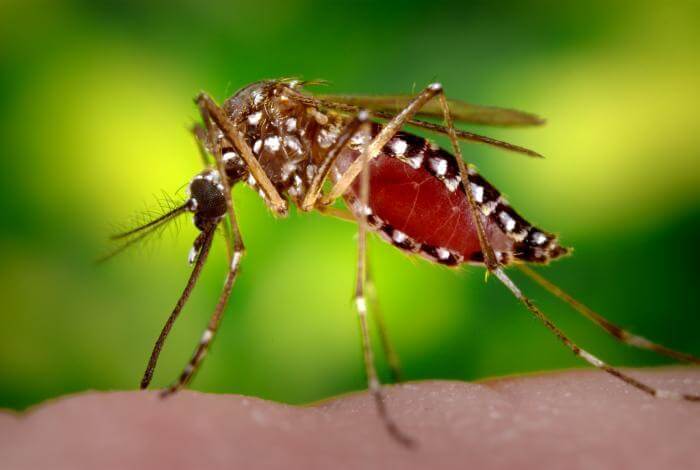
Gene drives have the potential to revolutionize approaches to major public health, conservation, and agricultural problems. For instance, gene drives might one day prevent mosquitoes from spreading a variety of deadly diseases, including Zika virus, malaria, and others. A form of genetic modification, the technology works by causing a particular genetic element to spread through populations, thereby making it possible to change species in the wild. Despite the significant promise, caution is warranted, says a new report from the National Academies of Sciences, Engineering, and Medicine’s Committee on Gene Drive Research. According to the committee, gene drives raise a variety of ecological and regulatory questions that have yet to be answered. For this episode of BioScience Talks, we’re joined by committee co-chair James P. Collins of Arizona State University and committee member Joseph Travis of Florida State University. They fill us in on the specifics of the report and on the future of gene drives.
To hear the whole discussion, visit this link for this latest episode of the Bioscience Talks podcast.
ScienceBlog.com has no paywalls, no sponsored content, and no agenda beyond getting the science right. Every story here is written to inform, not to impress an advertiser or push a point of view.
Good science journalism takes time — reading the papers, checking the claims, finding researchers who can put findings in context. We do that work because we think it matters.
If you find this site useful, consider supporting it with a donation. Even a few dollars a month helps keep the coverage independent and free for everyone.