

Scientists have uncovered a surprising twist in the biology of Alzheimer’s disease: the brain’s natural lithium reserves may help protect against both aging and dementia.
In new research, a team reports that lithium depletion occurs when the element binds to toxic amyloid plaques, potentially triggering the cascade that leads to Alzheimer’s. Even more striking, specially designed lithium-based compounds were able to restore brain health and reverse disease features in mice, without the toxic side effects of traditional lithium treatments. The findings suggest that lithium, better known for its use in mood-stabilizing drugs, may hold untapped potential for preventing and treating neurodegeneration.
Lithium’s Newly Discovered Role in the Brain
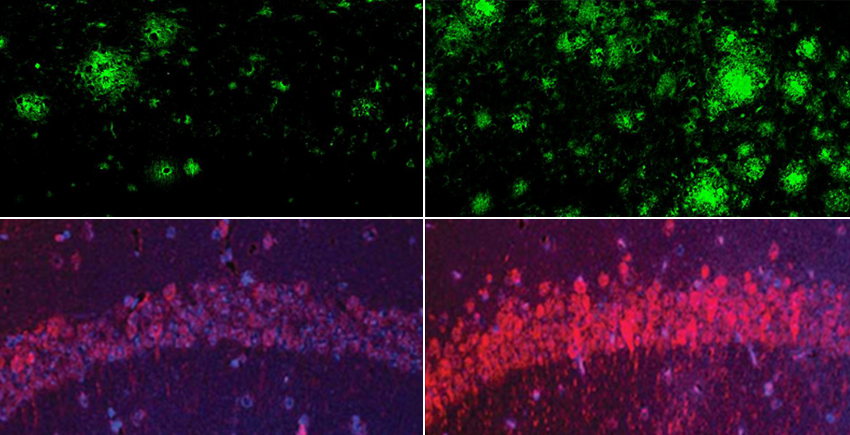
The study, led by Bruce Yankner’s group, shows for the first time that lithium plays an essential role in normal brain function. Using a mouse model of Alzheimer’s, researchers found that lithium deficiency dramatically increased the accumulation of amyloid beta plaques and the neurofibrillary tangle protein tau, two molecular hallmarks of the disease. This depletion happened because lithium in the brain bound to the plaques themselves, effectively pulling it away from where it is needed.
“Lithium plays an essential role in normal brain function and can confer resistance to brain aging and Alzheimer’s disease,” the researchers noted.
A New Class of Lithium Compounds
To address the problem, the team developed a class of lithium-based compounds that do not bind to amyloid plaques. In mouse experiments, these compounds restored lithium levels in the brain, reduced amyloid and tau buildup, and improved measures of brain aging. Crucially, the treatment avoided the toxicity risks associated with conventional lithium therapy, which can affect the kidneys and thyroid when given chronically at high doses.
Key Findings
- Lithium is essential for healthy brain function and resilience to aging.
- In Alzheimer’s, lithium is depleted by binding to amyloid plaques.
- New lithium-based compounds bypass plaque binding and restore brain lithium levels.
- In mice, treatment reduced both amyloid beta and tau pathology.
- Compounds showed no detectable toxicity at therapeutic doses.
From Mood Stabilizer to Neuroprotector?
Lithium has been used for decades to treat bipolar disorder, but its possible role in brain aging and dementia has only recently come into focus. Epidemiological studies have hinted that people taking lithium for psychiatric conditions have lower rates of Alzheimer’s, but the mechanism was unclear. This work suggests that preserving brain lithium levels could directly counteract disease processes.
The researchers emphasize that while the mouse results are promising, clinical studies will be essential before translating the findings to humans. Still, the work opens an intriguing avenue for a metal that, until now, has been known more for its psychiatric uses than for its role in protecting memory and cognition.
Looking Ahead
Future research will need to determine whether early intervention with these lithium compounds could prevent Alzheimer’s from developing in high-risk individuals, or whether they might reverse symptoms in those already affected. For now, the discovery reframes lithium not just as a mood stabilizer, but as a possible guardian of brain health.
Journal
This study was published in Nature (DOI: 10.1038/s41586-025-09335-x).