

UK mothers often swoop in quickly when their babies cry, but Ugandan infants, who sometimes wait longer for comfort, calm down faster. A new study comparing mother–infant interactions across the two cultures suggests that the style of soothing, not the speed, may be the real key to infant emotional recovery. The work, published in Developmental Psychology, challenges Western assumptions about what counts as “good” parenting.
Researchers from Durham University and collaborators in Germany and Uganda analyzed 147 naturally occurring episodes of infant distress involving 82 babies at 3 and 6 months old. Their cameras captured ordinary daily life: crying spells, moments of maternal response, and how quickly babies returned to calm.
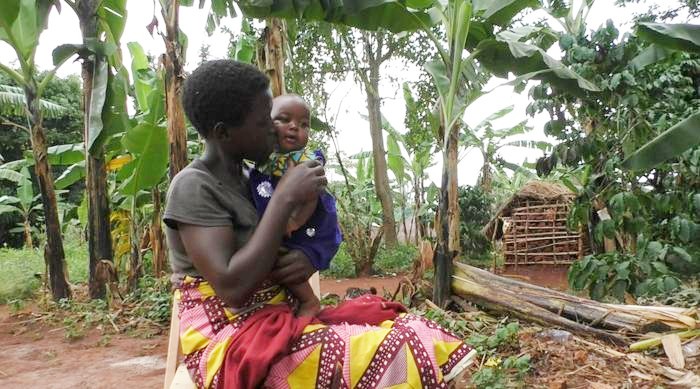
UK mothers typically responded more rapidly, often with verbal reassurance. Ugandan mothers tended to react more slowly but leaned on tactile strategies, especially breastfeeding, even with older infants. Surprisingly, it was the Ugandan infants who settled down more quickly.
“Our findings show that maternal responsiveness is universally important. But how mothers respond, and the effectiveness of their strategies, varies in meaningful ways between cultures,” said lead author Dr Carlo Vreden of the DIPF Leibniz Institute.
The implication is subtle but significant. Western parenting advice often emphasizes immediacy: respond right away, and you’ll raise a secure, emotionally regulated child. Yet this study shows that in rural Ugandan settings, where mothers are often juggling farm work and household duties, response delays did not prevent faster recovery. If anything, the tactile, body-centered soothing methods seemed to carry more weight.
Professor Zanna Clay of Durham, who co-led the research, pointed out that most infant development studies draw almost exclusively from North America and Europe.
“These Western settings don’t reflect the caregiving environments experienced by the majority of infants around the world,” she said. “Uganda is an interesting place to study caregiving, as infants are typically cared for by multiple different caregivers and their styles of caregiving culturally differ, such as prioritising more physical contact with their babies.”
The data bear that out. While both groups of mothers relied on touch at 3 months, UK mothers shifted toward words as their babies grew older, reducing physical contact. Ugandan mothers kept breastfeeding as a go-to comfort even at six months, long after UK mothers had mostly turned to verbal strategies.
The researchers stress they are not ranking one approach above the other. Instead, the study highlights that what counts as “responsive” is inseparable from cultural context. The Ugandan mothers’ slower reactions may partly reflect the practical realities of tending crops or managing large households, where immediate attention is not always possible. Yet these same settings encourage constant physical closeness and communal caregiving, which may explain why infants rebounded more quickly.
The study also hints at a broader message: developmental science, when built on Western-only models, risks overlooking the diversity of human caregiving. For pediatricians and parenting coaches, that could mean rethinking universal prescriptions about how fast to respond. For parents, it may be a quiet reassurance that there isn’t just one path to nurturing emotionally healthy children.
The researchers now want to expand the project to include more cultural contexts and to test whether specific soothing strategies—breastfeeding, touch, or verbal reassurance—have distinct long-term impacts on children’s emotional growth.
What This Means
Journal: Developmental Psychology
DOI: 10.1037/dev0002038