

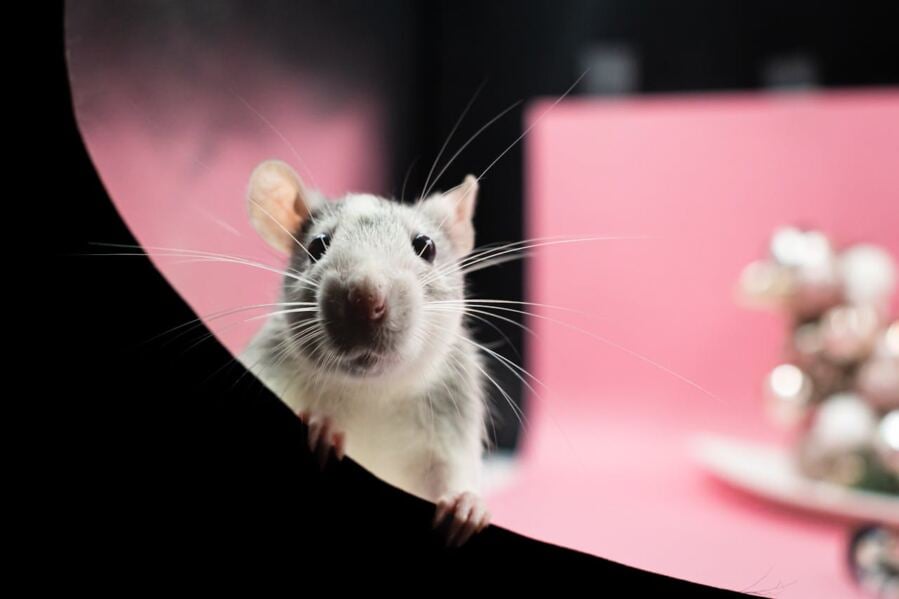
Cut protein from a rat’s diet and something odd happens within days. The animal starts burning more calories, not fewer. It develops an almost urgent craving for protein-rich food, seeking it out over carbohydrates with a persistence that borders on compulsive. Body weight drops despite eating more overall. For decades, researchers assumed this suite of responses was orchestrated somewhere in the hypothalamus, that ancient command center for hunger and hormones lodged in the middle of the brain. Turns out, they were looking in the wrong place. The circuit that reads protein scarcity and rewires both appetite and metabolism is tucked in a region of the hindbrain that most metabolic researchers had largely overlooked.
The discovery, published this week in Cell Reports by Christopher Morrison and colleagues at the Pennington Biomedical Research Center in Louisiana, rewrites the map of how the brain monitors what you eat. And it points, with unusual precision, to a specific cluster of cells that could eventually be a therapeutic target for obesity and metabolic disease.
The hormone at the centre of the story is FGF21, or fibroblast growth factor 21, produced by the liver when dietary protein runs short. Think of it as a chemical distress signal: protein supplies are low, the liver broadcasts the news, and the brain is supposed to receive and act on it. Morrison’s lab had already shown that FGF21 is essential for the whole adaptive package to work, that mice genetically stripped of the hormone lose their protein cravings, fail to ramp up their energy burn, and even forfeit the longevity boost that comes from eating less protein. What nobody had pinned down was where in the brain FGF21 was actually landing.
The Wrong Address
The hypothalamus seemed the obvious answer. Several studies had pointed to FGF21-sensitive neurons in the ventromedial hypothalamus and paraventricular nucleus, and something of a consensus had formed around these areas. Morrison’s team tested both, meticulously, and found essentially nothing. Knock out the FGF21 receptor in either region and the animals responded to protein restriction exactly as before. The hypothalamus, it seemed, was a red herring.
What the researchers found instead was a discrete cluster of neurons in the nucleus of the solitary tract, a region sitting at the junction of the brainstem and spinal cord, right where the vagus nerve pours in signals from the gut, the heart, and the viscera generally. The NTS is a kind of clearing house for body-state information, and it turns out a specific subset of NTS neurons carry the beta-klotho receptor that FGF21 requires to dock and signal. These neurons, roughly 50 to 100 cells in mice, are glutamatergic, meaning they fire excitatory signals when activated. And when FGF21 arrived, they lit up reliably, their firing rate jumping, their resting membrane potential shifting, even when the researchers chemically blocked all input from neighbouring neurons to confirm the response was direct.
“This work highlights how strongly nutrition is linked to brain function,” said Morrison. “The body is constantly monitoring what we eat and making ongoing adjustments, so understanding those signals is key to improving metabolic health.”
Fifty Cells Running the Show
The evidence that these cells matter came from two complementary experiments. In the first, the team injected a virus into the NTS that would selectively destroy only the beta-klotho-expressing neurons. Mice that lost these cells could still lose body weight on a low-protein diet, which was unexpected (something else, somewhere else, handles growth regulation), but their food intake no longer spiked and their energy expenditure stayed flat. The protein-craving behaviour vanished. In the second experiment, the researchers went the other direction: they used chemogenetics, a technique that lets you switch specific neurons on or off with a drug, to artificially activate the same NTS cluster in animals eating a normal diet. Energy expenditure climbed. Food intake increased. The animals behaved, metabolically speaking, as though they were on a low-protein diet they weren’t actually eating. A handful of neurons, directly stimulated, could reproduce the whole response.
There is a wrinkle worth noting. The NTS also contains a separate, GABAergic (inhibitory) population of beta-klotho neurons in the suprachiasmatic nucleus; these did not respond consistently to FGF21 and appeared uninvolved in protein sensing. The distinction matters because the field’s earlier failure to find the NTS circuit probably stemmed partly from using genetic tools that hit the wrong subset of hindbrain neurons or missed the relevant cells entirely. When the Morrison group built a more precise genetic reporter line, the NTS population practically announced itself.
The location itself is thought-provoking. The NTS sits near the area postrema, one of the few spots in the brain where the blood-brain barrier is thin, making it unusually accessible to circulating hormones. FGF21 is known to be able to cross the blood-brain barrier, but physical proximity to a fenestrated region could give the liver’s signal a more direct route to its target. That geography may not be accidental.
A Drug Already in Trials
Clinical FGF21 analogues are already in late-stage trials for conditions including metabolic dysfunction-associated fatty liver disease, where they have shown promising results on liver fat. Morrison’s findings suggest those drugs may be doing more neurological work than previously appreciated. “These findings suggest that FGF21-based therapies could potentially be optimized to target specific brain circuits,” he said, “and that clinical end points beyond liver fat, such as dietary behavior and metabolic rate, may be worth evaluating.” In other words, trials testing FGF21 drugs for their effects on liver biomarkers might be missing a significant part of what the drug is actually doing, including effects on how patients eat and how many calories they burn.
What comes next is mapping how these NTS-KLB neurons talk to the rest of the brain, which circuits they recruit to simultaneously shift appetite, food choice, and energy expenditure in the same direction at once. The coordination problem is non-trivial: changing what you eat, how much you eat, and how efficiently you burn it are normally somewhat independent variables. That a few dozen hindbrain neurons appear to adjust all three together, in response to a single hormonal signal from the liver, suggests the brain’s metabolic wiring is both more modular and more integrated than anyone had quite realised.
https://doi.org/10.1016/j.celrep.2026.117218
Frequently Asked Questions
What is FGF21 and why does the liver produce it?
FGF21, or fibroblast growth factor 21, is a hormone the liver releases when it detects that dietary protein intake has dropped below what the body needs. It acts as a long-range signal, travelling through the bloodstream to notify the brain of the protein-deficient state so the body can adjust its behaviour and metabolism accordingly. Without FGF21, animals eating low-protein diets lose the ability to seek out protein-rich foods or boost their calorie burning in response.
Why were scientists looking in the wrong part of the brain for so long?
Earlier studies using less precise genetic tools found FGF21-sensitive neurons in the hypothalamus, particularly in regions known for controlling hunger and hormones, and a working assumption formed around those areas. The nucleus of the solitary tract in the hindbrain had not been directly tested as a FGF21 target, partly because a previous experiment using a broader genetic approach to delete the FGF21 receptor from hindbrain neurons had come back negative. The Morrison group’s new, more targeted mouse line revealed that earlier tools had missed the specific population of cells that actually matters.
Could activating these neurons help treat obesity?
The research raises that possibility, though it is early days. The study shows that chemically switching on these neurons in mice raises energy expenditure and food intake in a pattern that mimics protein restriction, which is known to improve metabolic health. FGF21-based drugs are already in clinical trials for liver disease, and the new findings suggest they may also be altering eating behaviour and calorie burning through this brain circuit, effects that current trials are not specifically measuring.
Is this the same circuit that controls general hunger?
Not exactly. The NTS-KLB neurons identified in this study appear to be specifically tuned to protein status rather than general energy balance. Mice whose NTS-KLB neurons were destroyed still lost body weight on a low-protein diet, suggesting that growth regulation under protein restriction is handled elsewhere. What these cells specifically control is the appetite for protein and the upward shift in energy expenditure, a narrower and more nutrient-specific set of responses than the broad hunger circuits controlled by better-known hypothalamic pathways.