

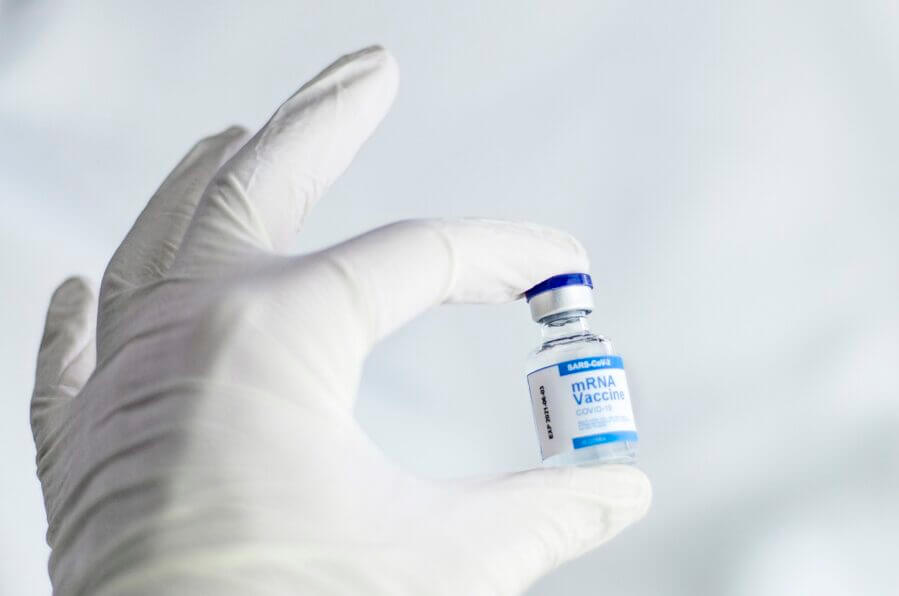
The fluorescent lights hum overhead in a crowded Los Angeles emergency department. A man in his sixties, here for a sprained ankle, winces as a nurse asks if he has had his shingles shot. He looks puzzled. He has never heard of it. Moments later, the nurse learns he has also missed vaccines for pneumonia, RSV, and tetanus. He is not alone.
A new national study led by University of California researchers has found that nearly nine in ten emergency department patients are missing at least one recommended adult vaccine. About half have never even heard of vaccines that could protect them. These gaps are sharpest in the very communities that depend on emergency rooms as their only point of contact with the healthcare system.
The Numbers Behind the Missed Shots
Between April and December 2024, researchers surveyed 3,285 non-critically ill adults across 10 emergency departments in eight U.S. cities. Patients were asked about vaccines recommended for their age, from shingles and pneumococcal to COVID-19 and influenza.
- 86% had not received one or more recommended vaccines
- 49% had never heard of at least one recommended vaccine
- Only 14% were fully up to date
- About half of unvaccinated patients said they would accept vaccines if offered in the ED
Among younger adults, flu shots were most often missed. Middle-aged patients frequently lacked shingles protection. For those over 65, RSV vaccine was the biggest gap. The likelihood of being behind on vaccinations rose among African American patients, the uninsured, and anyone without a primary care provider.
Why the Emergency Department Matters
For roughly 30% of Americans, primary care is out of reach. That group includes uninsured individuals, people experiencing homelessness, and recent immigrants. The emergency department is where they get stitches, pain relief, and antibiotics — and, potentially, a path to life-saving preventive care.
“Emergency departments represent a critical touchpoint for reaching patients who may otherwise never encounter the healthcare system for preventive care,” said Dr. Jesus R. Torres, assistant professor of emergency medicine at UCLA and study co-author.
A Missed Opportunity
Current public health surveys often miss people who only seek care in emergency rooms. That means vaccine coverage statistics may be rosier than reality. This study suggests a simple change — offering vaccines during ED visits — could more than triple the rate of fully vaccinated patients in this population, from 14% to as high as 48%.
For patients who declined same-day vaccination, the most common reasons were feeling too ill at the time or wanting more information. Both obstacles could be addressed with clear education and flexible timing.
The Road Ahead
The research team is exploring automated screening tools to flag missing vaccines without slowing ED workflow. They are also considering mobile outreach for people who cannot get to the hospital. The ultimate goal is to weave preventive care into the places where underserved patients already seek help.
With 155 million emergency visits in the United States in 2022, the opportunity is enormous. Whether healthcare leaders act on it may determine how many preventable illnesses are stopped before they start.
Journal and DOI
MMWR Morbidity and Mortality Weekly Report, August 7, 2025. DOI: 10.15585/mmwr.mm7429a1