

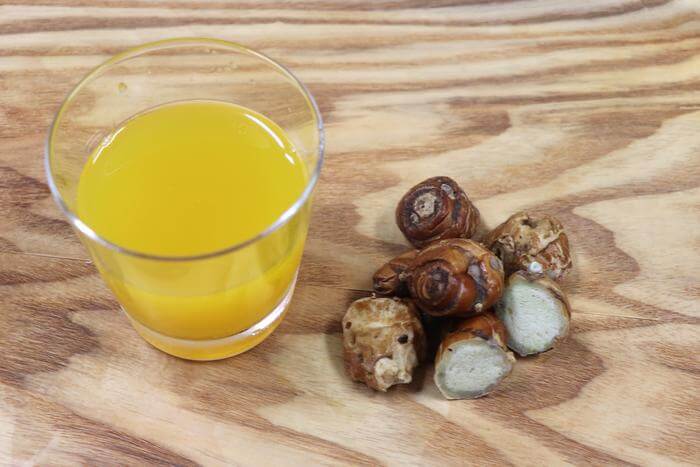
You may know it as an aromatic spice to add flavor to your dishes or as a soothing herbal remedy to use for upset stomachs, but researchers from Osaka Metropolitan University have uncovered promising findings that Kencur, a tropical plant in the ginger family native to Southeast Asia, possesses anti-cancer effects.
Led by Associate Professor Akiko Kojima of the Graduate School of Human Life and Ecology, the researchers demonstrated that Kencur extract and its main active component, ethyl p-methoxycinnamate (EMC), significantly suppressed cancer cell growth at the cellular and animal levels.
While previous studies on EMC indicated its anti-cancer potential by decreasing the expression of mitochondrial transcription factor A (TFAM), which is associated with cancer cell proliferation, the exact mechanism remained unclear until now.
“The results of this study confirm the anti-cancer effects of Kencur extract and its main active ingredient, EMC. It is highly expected that TFAM will become a new marker for anti-cancer effects in the future as research advances in related fields,” Professor Kojima stated.
Their findings were published in Heliyon.