
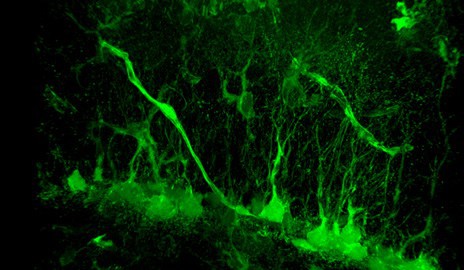
Scientists have discovered that the human brain can produce new neurons, but exactly how those cells are produced and what purpose they serve are not well understood. Now a study by Yale researchers shows that key developmental factors that control the formation of blood vessels are also necessary for activating brain stem cells.
Yale neurobiologist Jean-Leon Thomas and colleagues, in collaboration with vascular biologist Anne Eichmann, found that neural stem cells lacking a receptor for vascular endothelial growth factor (VEGFR3) produce fewer new brain cells in the hippocampus of mice. In addition, mice lacking VEGFR3 exhibit more anxiety than mice with intact receptors in stem cells.
Surprisingly, said the researchers, a related VEGF molecule does not stimulate brain blood vessels at doses that activate brain stem cells, which suggests that this factor may be used specifically in the treatment of neurological diseases. The team, including first author Jinah Han, reported their findings Feb. 19 in the journal Cell Reports.
ScienceBlog.com has no paywalls, no sponsored content, and no agenda beyond getting the science right. Every story here is written to inform, not to impress an advertiser or push a point of view.
Good science journalism takes time — reading the papers, checking the claims, finding researchers who can put findings in context. We do that work because we think it matters.
If you find this site useful, consider supporting it with a donation. Even a few dollars a month helps keep the coverage independent and free for everyone.