Back and Chest Acne Needs Different Treatment Than Face
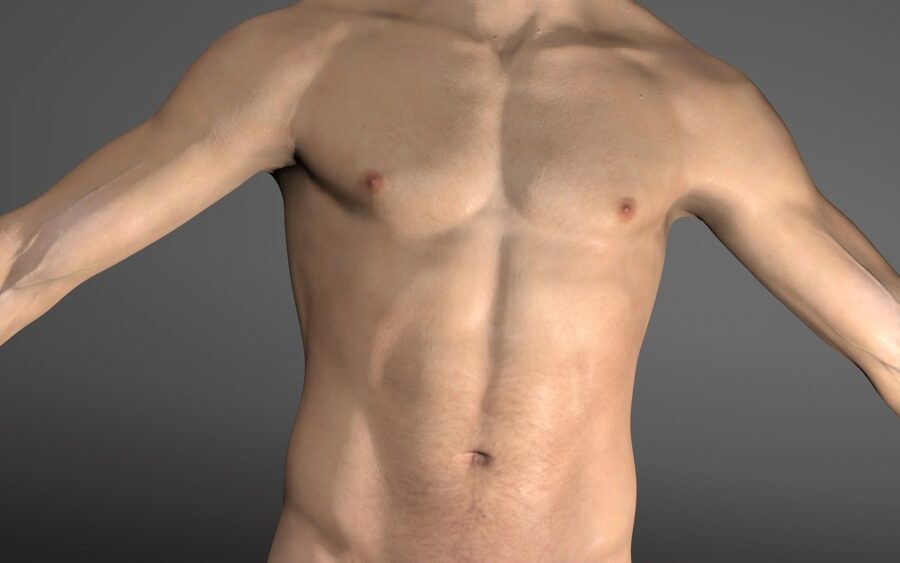
a man's chest and abdomen

Nearly half of adults with facial acne also develop breakouts on their chest and back, yet most treatments ignore crucial differences between these body regions. New research reveals that truncal acne—affecting the torso—operates through distinct mechanisms that require tailored therapeutic approaches. The comprehensive analysis, published in the Journal of Dermatologic Science and Cosmetic Technology, challenges … Read more


Smart Rods Stop Tumbling Space Junk in Its Tracks

satellite in space

When a defunct satellite spins out of control in Earth’s orbit, it becomes a deadly projectile threatening operational spacecraft. Now, Chinese researchers have developed an ingenious solution: flexible robotic rods equipped with self-adjusting dampeners that can stabilize tumbling space debris while suppressing their own violent shaking. The system combines piezoelectric actuators with advanced mathematics to … Read more

Wheatgrass Compounds Beat Vitamin C as Antioxidants

wheatgrass in dew

Young wheat shoots contain flavonoid compounds that outperform vitamin C in fighting cellular damage—and these antioxidants can actually extend lifespan in laboratory animals. Chinese researchers who screened 228 modern wheat cultivars discovered that two specific wheatgrass flavonoids, isoorientin and luteolin, demonstrated twice the antioxidant power of vitamin C in laboratory tests. Even more striking: wheatgrass … Read more

Fence-Like Surgical Technique Tackles Giant Nerve Tumors

beach fence

Surgeons at Shanghai Jiao Tong University have developed a technique that creates a “fence” of sutures around massive nerve tumors before removal, dramatically improving safety for patients with plexiform neurofibromas that can grow larger than footballs. The FENCY ligation method, combined with preoperative blood vessel blocking, has shown promising results in 11 patients with giant … Read more

Dangerous Viruses Related to Deadly Nipah Found in Chinese Bats

Bats in orchard

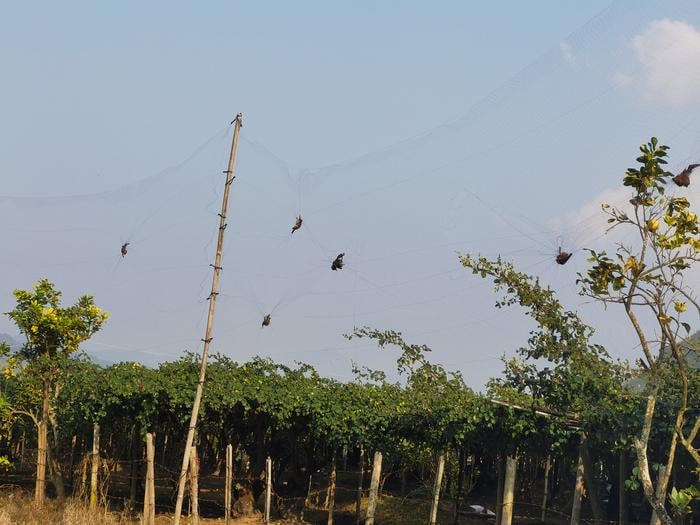
Scientists have discovered two viruses closely related to the lethal Nipah and Hendra viruses lurking in bat kidneys near villages in China’s Yunnan province. The findings raise urgent concerns about potential spillover to humans through contaminated fruit, as these bats inhabit orchards where they could spread the pathogens through urine. The comprehensive study, published in … Read more

Bacteria Turn Steel Waste Into Carbon-Capturing Cement

cement powder

Chinese researchers have developed a microbial system that transforms steel industry waste into useful construction materials while simultaneously capturing carbon dioxide from cement plant emissions. The technology addresses two major environmental challenges with a single biological solution. The study, published in Engineering, demonstrates how bacteria can accelerate the conversion of steel slag—a massive industrial byproduct—into … Read more

Scientists Turn CO2 Into Fuel Using Hot Water

CO2 conversion diagram

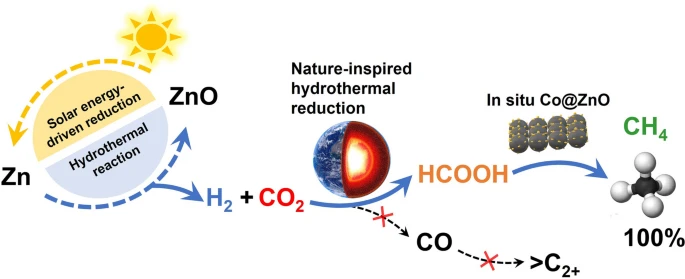
Chinese researchers have achieved complete conversion of carbon dioxide into methane using an inexpensive catalyst in hot water—a process that mimics natural geological phenomena. The team from Shanghai Jiao Tong University developed a honeycomb-structured catalyst made from common metals that transforms 100% of CO2 into methane, a valuable fuel that can be stored and transported … Read more

Why Dense Cities Keep Getting Hotter Despite Climate Fixes

Hong Kong Urban Heat Island

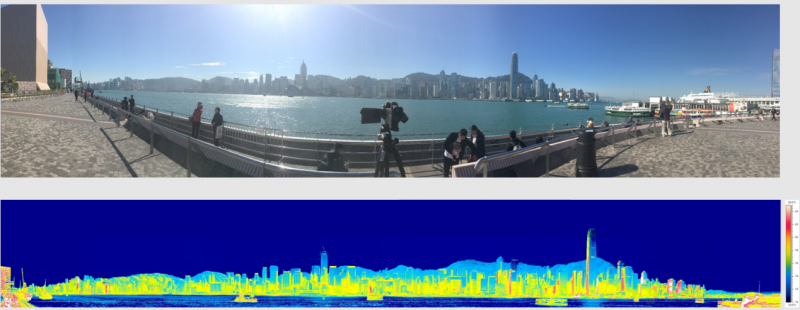
Hong Kong’s Kowloon Peninsula might be one of the most studied urban climate zones on Earth, yet it continues heating up at an alarming rate. New research reveals why standard cooling solutions—from ventilation corridors to energy-efficient buildings—have failed to stop rising temperatures in dense cities. The study, published in City and Built Environment, shows that … Read more

Brain Chips Read Minds at 78 Words Per Minute

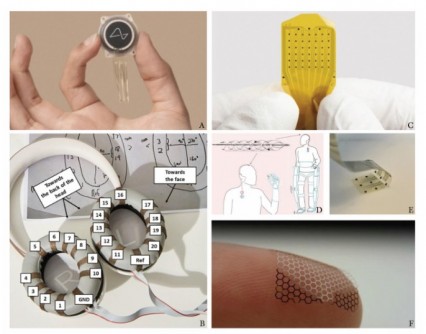
Showcases cutting-edge products in the field of brain-computer interface (BCI): A: coin-sized chip; B: BCI-enhanced headset; C: electrode encapsulation film; D: endovascular stent electrode; E: graphene-based neural chip; F: mesh Lace data acquisition array.

A paralyzed stroke patient thinks about speaking, and words appear on a screen at 78 words per minute—faster than most people type on their phones. This isn’t science fiction. It’s the current reality of brain-computer interfaces, technologies that are quietly revolutionizing medicine while raising profound questions about the future of human consciousness itself. A comprehensive … Read more

SciChi

Tracking Chinese Research

Skip to content ↓