

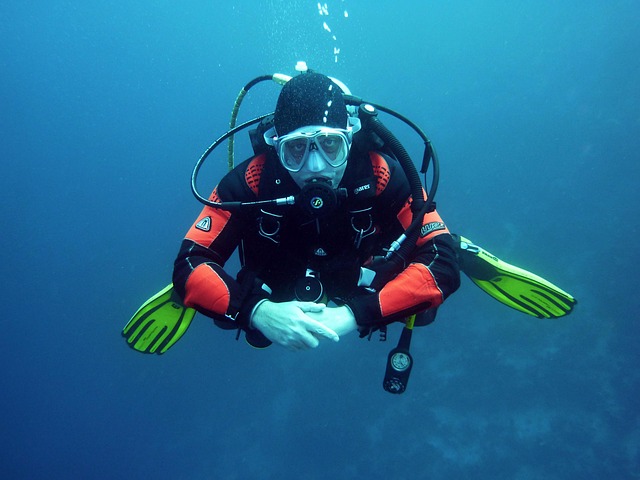
Scuba diving may look like just an underwater adventure, but a new global study finds it’s a financial lifeline for coastal communities and marine conservation.
The diving tourism industry brings in between $8.5 and $20.4 billion annually and supports up to 124,000 jobs across 170 countries, with 80% of those positions held by local residents. The study, published July 25 in Cell Reports Sustainability, offers the first worldwide estimate of the economic footprint of scuba diving and its role in the so-called “blue economy.”
“Scuba diving is not a fringe hobby,” said lead author Anna Schuhbauer, a fisheries scientist at the University of British Columbia. “It is a multibillion-dollar pillar of the economy that can channel tourists’ dollars straight into coastal communities and ocean protection.”
Putting a Number on a Global Phenomenon
Until now, global policymakers lacked a comprehensive figure for what scuba diving actually contributes to the world economy. Most previous research was confined to national case studies or snapshots of specific regions.
To close that gap, researchers conducted a large-scale survey of 11,590 dive operators around the world. They received responses from 425 businesses in 81 countries. These were then paired with diver volume estimates and economic modeling to produce global figures.
Key Findings From the Study
- Scuba diving supports between 8.9 and 13.6 million dives each year
- Direct spending on diving trips and gear: $0.9 to $3.2 billion annually
- Total economic impact, including hotels and transport: $8.5 to $20.4 billion
- Number of dive operators worldwide: 11,590
- Jobs supported: About 124,000, with 80% held by locals
A Model for the Blue Economy
The dive tourism sector is gaining attention as a model for sustainable development. Unlike extractive industries like mining or fishing, it doesn’t degrade marine ecosystems. In fact, divers often pay more to explore healthy reefs and protected waters.
“You can sail or surf above a dead ocean, but scuba divers notice if there are no fish,” said Fabio Favoretto, postdoctoral researcher at Scripps Institution of Oceanography and coordinator of the Atlas Aquatica project. “It’s really an activity that is dependent on the health of the system.”
Data show that around 70% of marine dives take place within Marine Protected Areas (MPAs), reinforcing the idea that healthy oceans attract more tourism dollars. Prior studies also suggest that expanding protections could lead to increased dive revenue.
Conservation, Community, and Policy
Most dive operators reported environmental degradation over the last decade, strengthening their motivation to become stewards of the sea. The study recommends that governments formally involve these stakeholders in ocean management decisions.
“This study shows diving generates a lot of income, and it does this without degrading the environment,” said co-author Octavio Aburto-Oropeza of Scripps Oceanography. “We hope that showing the scale of the economic impact will encourage policies that invest in diving by increasing marine protections.”
As part of the UN-endorsed Atlas Aquatica initiative, the researchers are also helping dive operators form cooperatives to amplify their conservation voice. Pilot programs are already underway in Mexico and Italy.
Next Steps for the Industry
To keep momentum going, the team urges the creation of standardized systems for tracking revenue, visitor volume, and environmental impact. These tools could help fine-tune conservation strategies and support post-COVID economic recovery.
“Scuba tourism, when managed well, can be economically viable, socially equitable and environmentally sustainable,” said Schuhbauer. “With a vested interest in healthy ecosystems, dive operators are natural allies in conservation efforts.”
Journal: Cell Reports Sustainability
DOI: 10.1016/j.crsus.2025.100435
Article Title: Global economic impact of scuba dive tourism
Publication Date: July 25, 2025