Skip to content
ScienceBlog.com
  • Featured Blogs
    • EU Horizon Blog
    • ESA Tracker
    • Experimental Frontiers
    • Josh Mitteldorf’s Aging Matters
    • Dr. Lu Zhang’s Gondwanaland
    • NeuroEdge
    • SciChi
    • The Poetry of Science
    • Wild Science
  • Topics
    • Brain & Behavior
    • Earth, Energy & Environment
    • Health
    • Life & Non-humans
    • Physics & Mathematics
    • Social Sciences
    • Space
    • Technology
  • Our Substack
  • Follow Us!
    • Bluesky
    • Threads
    • FaceBook
    • Google News
    • Twitter/X
  • Contribute/Contact

creativity

In the study, participants were initially asked to evaluate the creativity of robots based only on still life drawings they had made.

Is AI Truly Creative? Turns Out Creativity Is in the Eye of the Beholder

Man in a wheelchair shoots a basket against friends in a basketball game

Lemonading: How Playful People Turn Life’s Adversity to Advantage

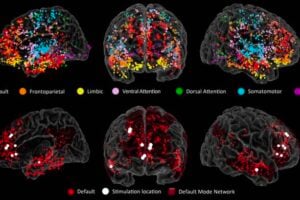
Electrodes at multiple brain regions reveal brain activity in real time. Colored dots show the locations of all of the electrodes across all patients, color-coded by brain region. Red dots in the lower images show the locations of the electrodes in the DMN.

Study pinpoints origins of creativity in the brain

good idea illustration

Identifying what keeps a good idea down

Ohio State logo

Want to increase resiliency in kids? Teach creativity

DALL-E's version of a cute baboon sailing a colorful dinghy at sunset.

What DALL-E Reveals About Human Creativity

Changing feelings can boost creativity for conventional thinkers

Substack subscription form sign up

Comments

  • Kalpna on Why the Weight-Loss Drug Revolution Still Needs Surgeons, Scopes and a Plan
  • Foo on A New Theory Says DMT Entities Might Be Real, and Proposes How to Test It
  • John E on A New Theory Says DMT Entities Might Be Real, and Proposes How to Test It
  • Fully Whelmed on A New Theory Says DMT Entities Might Be Real, and Proposes How to Test It
  • Tom on The Serotonin Circuit That Makes Tinnitus Louder
© 2026 ScienceBlog.com | Follow our RSS / XML feed