Skip to content
ScienceBlog.com
  • Featured Blogs
    • EU Horizon Blog
    • ESA Tracker
    • Experimental Frontiers
    • Josh Mitteldorf’s Aging Matters
    • Dr. Lu Zhang’s Gondwanaland
    • NeuroEdge
    • NIAAA
    • SciChi
    • The Poetry of Science
    • Wild Science
  • Topics
    • Brain & Behavior
    • Earth, Energy & Environment
    • Health
    • Life & Non-humans
    • Physics & Mathematics
    • Social Sciences
    • Space
    • Technology
  • Our Substack
  • Follow Us!
    • Bluesky
    • Threads
    • FaceBook
    • Google News
    • Twitter/X
  • Contribute/Contact

decision

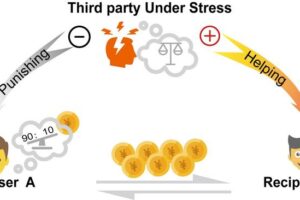
Acute stress decreased the third party’s willingness to punish the violator and the severity of the punishment, and increased their willingness to help the victim. Created with Adobe Illustrator.

Under stress, an observer is more likely to help the victim than to punish the perpetrator

From left: Sanda Dolcos, professor of psychology; Florin Dolcos, professor of psychology; and Paul Bogdan - graduate student in psychology. Social, Cognitive, Personality, and Emotional (SCOPE) Neuroscience Lab.

People expect others to mirror their own selfishness, generosity

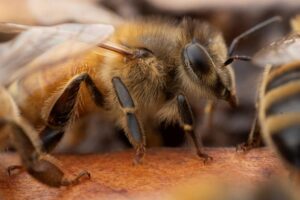
Bees make decisions better and faster than we do, for the things that matter to them

How Honey Bees Inspire Advanced Robotics and AI

University of Utah Health scientists have found that genes bias decision-making, even decisions that seem irrational.

Scientists Discover ‘Second-Guessing’ Gene in Mice, Offering Excuse for Our Own Indecision

Student looking confused

COVID Brain Strikes Again: Student Decision-Making Skills Take a Hit

Newer posts
← Previous Page1 Page2
Substack subscription form sign up

Comments

  • Jessica Butler on Weight Loss Drug Revolution Could Leave Britain’s Poorest Patients Behind
  • Simon on A New Theory Says DMT Entities Might Be Real, and Proposes How to Test It
  • Sue Ann Hayes on Hidden Nuclear Protein Fuels Pancreatic Cancer’s Deadly Aggression
  • Curtis Webber on The GPS-Killer? This Quantum Device ‘Feels’ Motion Like a Brain—Down to the Atomic Level
  • Ran on How the Age You First Had Sex Could Shape How You Age Decades Later
© 2026 ScienceBlog.com | Follow our RSS / XML feed