Skip to content
ScienceBlog.com
  • Featured Blogs
    • EU Horizon Blog
    • ESA Tracker
    • Experimental Frontiers
    • Josh Mitteldorf’s Aging Matters
    • Dr. Lu Zhang’s Gondwanaland
    • NeuroEdge
    • NIAAA
    • SciChi
    • The Poetry of Science
    • Wild Science
  • Topics
    • Brain & Behavior
    • Earth, Energy & Environment
    • Health
    • Life & Non-humans
    • Physics & Mathematics
    • Social Sciences
    • Space
    • Technology
  • Our Substack
  • Follow Us!
    • Bluesky
    • Threads
    • FaceBook
    • Google News
    • Twitter/X
  • Contribute/Contact

economic development

illustration of world map comprised of people

Wealth Gaps Drive Culture Wars: How GDP Shapes What Divides Us

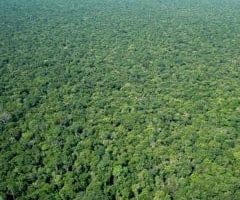
Amazon rainforest may be more resilient to deforestation than previously thought

Sustainable Bioeconomy Model Could Revolutionize Amazon Conservation and Development

factory worker in China

China’s Economy Shifts Focus: Researchers Examine Greenhouse Gas Emissions and Value Chains Between Provinces


A sprinkler irrigating some plants

Solar powered irrigation: a game-changer for small-scale farms in sub-Saharan Africa

Once unthinkable, the prospect of society driven by wellbeing gains traction

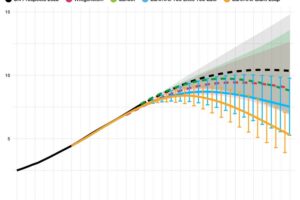
Comparing five population scenarios to 2100 (United Nations, Wittgenstein, Lancet, Earth4All – Too Little Too Late, Earth4All – Giant Leap).

Global population could peak below 9 billion in 2050s

Protestors in Cairo during the Arab Spring in 2011 Photo: Hossam el-Hamalawy/Flickr (CC BY 2.0)

Modern arms technologies help autocratic rulers stay in power

Substack subscription form sign up

Comments

  • David A on Why You’re Losing Muscle on Weight Loss Drugs, and What a Gut Hormone Might Do About It
  • Marco Messina on More Than a Third of Americans Have Lost Relationships Over Politics
  • Anon on Why Fructose Behaves Less Like a Calorie and More Like a Hormone
  • Mark Mellinger on Living Plastic Can Self-Destruct on Command
  • Marie Feret on The Silent Frequency That Makes Old Buildings Feel Haunted
© 2026 ScienceBlog.com | Follow our RSS / XML feed