Skip to content
ScienceBlog.com
  • Featured Blogs
    • EU Horizon Blog
    • ESA Tracker
    • Experimental Frontiers
    • Josh Mitteldorf’s Aging Matters
    • Dr. Lu Zhang’s Gondwanaland
    • NeuroEdge
    • NIAAA
    • SciChi
    • The Poetry of Science
    • Wild Science
  • Topics
    • Brain & Behavior
    • Earth, Energy & Environment
    • Health
    • Life & Non-humans
    • Physics & Mathematics
    • Social Sciences
    • Space
    • Technology
  • Our Substack
  • Follow Us!
    • Bluesky
    • Threads
    • FaceBook
    • Google News
    • Twitter/X
  • Contribute/Contact

Endangered Species

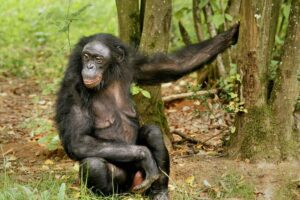
female Bonobo

Rangers and Ancient Forests Shield Earth’s Largest Wild Bonobo Population

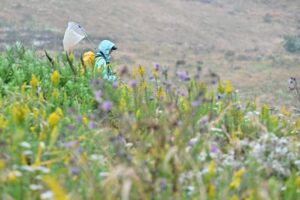
Recent research led by Washington State University (WSU) offers hope for at-risk butterflies, revealing that their populations fared better when their habitats were actively managed. The study examined 31 at-risk butterfly species across the U.S., all of which are experiencing rapid declines due to habitat loss, climate change, and pesticide use.

Human Intervention Boosts Survival Chances for At-Risk Butterflies

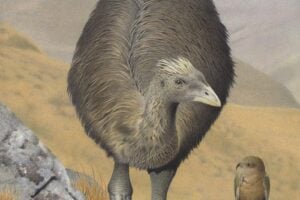
Crested Moa. Pachyornis australis. From the series ExSnct Birds of New Zealand., 2005, Masterton, by Paul MarSnson. Te Papa (2006-0010-1-19).

New Zealand’s flightless birds are retreating to moa refuges

A 7-meter basking shark feeding near the surface after it was tagged by researchers.

Researchers record first-ever images and data of a shark experiencing a boat strike

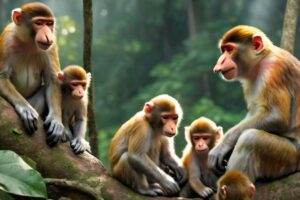
Probiscus monkey family

Proboscis Monkeys’ Large Noses Attract the Ladies

A southern sea otter preys on a marine animal.

Otters, especially females, use tools to survive a changing world

juvenile Australian brook lamprey

Endangered Australian Brook Lamprey Discovered in Tropical Waters, Extending Its Range by Over 1,000 km

Fireflies lighting up a backyard in New York.

Expert says fireflies aren’t going extinct, but their numbers are dwindling

An illustration depicting a fosa stalking a diademed sifaka lemur in the isolated Betampona Strict Nature Reserve in Madagascar

Lemur’s lament: when one vulnerable species stalks another

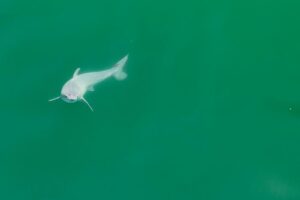
baby great white shark

Rare Footage Reveals Baby Great White Shark, Unveiling Mysteries of Birthing Habits

Ohio State logo

How technology and economics can help save endangered species

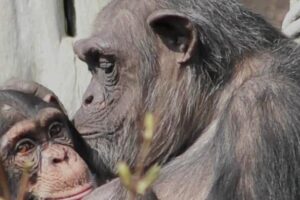
Chimpanzees and bonobos recognize individuals even though they haven’t seen them for multiple decades.

Apes remember friends they haven’t seen for decades

Attenborough's long-beaked echidna, photographed by a camera trap. Credit: Expedition Cyclops.

Found at last: Bizarre, egg-laying mammal finally rediscovered after 60 years

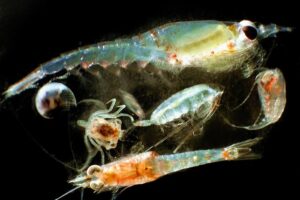
Zooplankton, tiny sea animals at the base of the food web, are on the move in the arctic as the North Pole’s ice cap retreats. Predators, including humans and whales, will follow.

Warming waters of the Arctic could pose a threat to Pacific right whales

Older posts
Page1 Page2 Next →
Substack subscription form sign up

Comments

  • Karoly Mirnics on Common Prescription Drugs May Disrupt Cholesterol Pathways in the Womb and Raise Autism Risk
  • Aizen on Laziness helped lead to extinction of Homo erectus
  • Norwood johnson on Electrons in New Crystals Behave as If They Live in Four Dimensions
  • ScienceBlog.com on Hidden Geometry Could Finally Fix Quantum Computers
  • Theo Prinse on America Is Going Back to the Moon. This Time, It Plans to Stay
© 2026 ScienceBlog.com | Follow our RSS / XML feed