Skip to content
ScienceBlog.com
  • Featured Blogs
    • EU Horizon Blog
    • ESA Tracker
    • Experimental Frontiers
    • Josh Mitteldorf’s Aging Matters
    • Dr. Lu Zhang’s Gondwanaland
    • NeuroEdge
    • NIAAA
    • SciChi
    • The Poetry of Science
    • Wild Science
  • Topics
    • Brain & Behavior
    • Earth, Energy & Environment
    • Health
    • Life & Non-humans
    • Physics & Mathematics
    • Social Sciences
    • Space
    • Technology
  • Our Substack
  • Follow Us!
    • Bluesky
    • Threads
    • FaceBook
    • Google News
    • Twitter/X
  • Contribute/Contact

energy

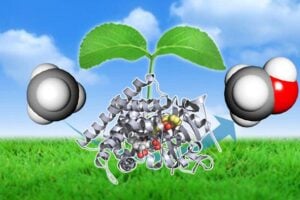
New technology converts a component of natural gas, methane (left), to methanol (right), using the P450BM3 enzyme (middle, grey) with a decoy molecule (middle, colored). This method can be a cheap and effective mean of reducing the carbon footprint of natural gas.

Reducing the carbon footprint of methane by converting it into methanol with a new enzyme

From left, Stanford University researchers Ram Rajagopal, Thomas Navidi and Abbas El Gamal.

Software Coordination Could Eliminate Costly Upgrades to Future Electric Grids

A University of Chicago study found links at the atomic level between photosynthesis and exciton condensates—a strange state of physics that allows energy to flow frictionlessly through a material. The finding is scientifically intriguing and may suggest new ways to think about designing electronics, the authors said.

Scientists find link between photosynthesis and ‘fifth state of matter’

Amin Nozariasbmarz, Yu Zhang, Bed Poudel, Wenjie Li and Na Liu, left to right, researchers in the Department of Materials Science and Engineering at Penn State, display the thermoelectric modules they created. Credit: Provided . All Rights Reserved.

Breakthrough in waste heat to green energy

Cold Fusion: WHY is the technology being suppressed?

pot cooking on gas stove

Gas stoves ignite a heated climate and health policy debate

Map of percentage change in transportation energy burden from current on-road vehicle stock to a new battery-electric vehicle. Negative percentages indicate energy cost savings for EVs compared to gasoline powered vehicles. Areas with the greatest savings, shown in green, include the West Coast states and parts of the East and South. Transportation energy burden is the percentage of household income spent on fueling with gasoline or charging with electricity. Adapted from Vega-Perkins et al. in Environmental Research Letters, January 2023.

EV transition will benefit most US vehicle owners, but lowest-income Americans could get left behind

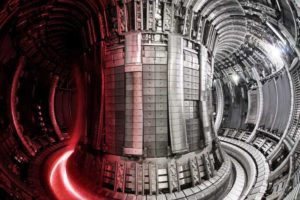
A fusion reactor

Lab Makes History by Achieving Fusion Ignition

Newer posts
← Previous Page1 Page2
Substack subscription form sign up

Comments

  • John E on A New Theory Says DMT Entities Might Be Real, and Proposes How to Test It
  • Simon on A New Theory Says DMT Entities Might Be Real, and Proposes How to Test It
  • Sue Ann Hayes on Hidden Nuclear Protein Fuels Pancreatic Cancer’s Deadly Aggression
  • Curtis Webber on The GPS-Killer? This Quantum Device ‘Feels’ Motion Like a Brain—Down to the Atomic Level
  • Ran on How the Age You First Had Sex Could Shape How You Age Decades Later
© 2026 ScienceBlog.com | Follow our RSS / XML feed