Skip to content
ScienceBlog.com
  • Featured Blogs
    • EU Horizon Blog
    • ESA Tracker
    • Experimental Frontiers
    • Josh Mitteldorf’s Aging Matters
    • Dr. Lu Zhang’s Gondwanaland
    • NeuroEdge
    • NIAAA
    • SciChi
    • The Poetry of Science
    • Wild Science
  • Topics
    • Brain & Behavior
    • Earth, Energy & Environment
    • Health
    • Life & Non-humans
    • Physics & Mathematics
    • Social Sciences
    • Space
    • Technology
  • Our Substack
  • Follow Us!
    • Bluesky
    • Threads
    • FaceBook
    • Google News
    • Twitter/X
  • Contribute/Contact

gene therapy

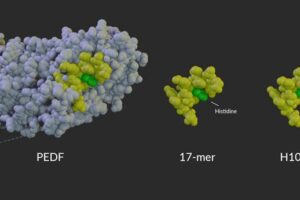
Model of PEDF protein alongside the 17-mer and H105A peptides. Amino acid 105, which is changed from histidine in PEDF and the 17-mer peptide to alanine in the H105A peptide, is shown in green.

NIH researchers develop eye drops that slow vision loss in animals

sickle cells

New Transplant Method Shows Promise as Accessible Cure for Sickle Cell Disease

Jace with his father Brendan

Genetic therapy gives infants life-changing improvements in sight

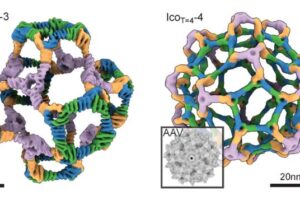
Cryo-EM analysis of designed de novo protein nanocages

AI Designs Complex Protein Structures Inspired by Viral Architecture

Ohio State logo

Light-induced gene therapy disables cancer cells’ energy center

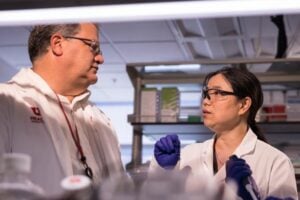
Robin Shaw, MD, PhD (left) and TingTing Hong, MD, PhD (right) at the lab bench.

New Gene Therapy Shows Unprecedented Heart Failure Recovery in Large Animal Study

The CRISPR gene scissors can correct mutations in DNA very precisely. However, the treatment of genetic defects can lead to new errors in the genome that may pose health risks. (Image: iStock/luismmolina)

Scientists Uncover Hidden Risks in CRISPR Gene Editing for Rare Immune Disease

Michael is checked by a nurse at SickKids before receiving gene therapy in a single-patient clinical trial for spastic paraplegia type 50 (SPG50).

Gene therapy halts progression of rare genetic condition in young boy

By making grafts called cultured epidermal autografts (photo), which contain genetic mutation corrections that give healthy skin, and grafting these naturally corrected skin cells to affected areas, outbreaks of the disease could be controlled.

Treating rare skin diseases by transplanting healthy skin

Julia Aguade Gorgorio (left) and Dr. Hanna Mikkola (right)

Scientists identify ‘missing piece’ required for blood stem cell self-renewal

Foam containing gene therapy components is placed in a lab dish.

Medicated foam could make gene therapies more accessible

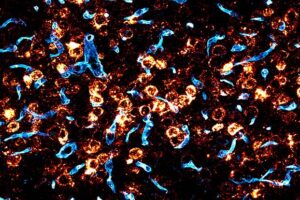
Credit: Deverman lab Brain vasculature (in blue) surrounded by RNA (in orange) transcribed from the gene delivered to the brain in humanized mice using an engineered AAV targeting the human transferrin receptor.

Engineered Virus Crosses Blood-Brain Barrier, Delivers Therapeutic Genes in Mice

Ohio State logo

Gene therapy relieves back pain, repairs damaged disc in mice

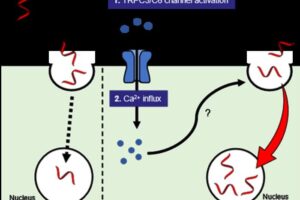
L687 induces intracellular uptake of ASO through intracellular Ca2+ influx

New Compound Unlocks Cancer Cells for Targeted Gene Therapy

Older posts
Page1 Page2 Next →
Substack subscription form sign up

Comments

  • Karoly Mirnics on Common Prescription Drugs May Disrupt Cholesterol Pathways in the Womb and Raise Autism Risk
  • Aizen on Laziness helped lead to extinction of Homo erectus
  • Norwood johnson on Electrons in New Crystals Behave as If They Live in Four Dimensions
  • ScienceBlog.com on Hidden Geometry Could Finally Fix Quantum Computers
  • Theo Prinse on America Is Going Back to the Moon. This Time, It Plans to Stay
© 2026 ScienceBlog.com | Follow our RSS / XML feed