Skip to content
ScienceBlog.com
  • Featured Blogs
    • EU Horizon Blog
    • ESA Tracker
    • Experimental Frontiers
    • Josh Mitteldorf’s Aging Matters
    • Dr. Lu Zhang’s Gondwanaland
    • NeuroEdge
    • NIAAA
    • SciChi
    • The Poetry of Science
    • Wild Science
  • Topics
    • Brain & Behavior
    • Earth, Energy & Environment
    • Health
    • Life & Non-humans
    • Physics & Mathematics
    • Social Sciences
    • Space
    • Technology
  • Our Substack
  • Follow Us!
    • Bluesky
    • Threads
    • FaceBook
    • Google News
    • Twitter/X
  • Contribute/Contact

genetics

(Illustration by Michael S. Helfenbein)

Potential Breakthrough in Cancer Treatment by Targeting Extra Chromosomes

Embryo cells. Pixabay

Researchers warn on embryo editing

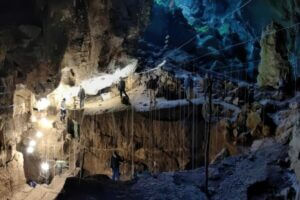
The team excavated through layers of sediments and bones that gradually washed into the cave and were left untouched for tens of thousands of years.

Ancient Human Remains in Laos Cave Hint at Early Migrations

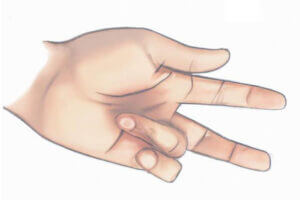
A ring finger locked in a bent position as seen in Dupuytren's disease, colloquially known as the "Viking disease."

“Viking disease” hand disorder may come from Neandertal genes

Child giraffe. Pixabay.

Eastern African Giraffes In More Danger Than Previously Thought

Alzheimer's microglia

Alcohol Exacerbates Alzheimer’s Progression in Genetically Susceptible

A myelinated neuron. Pixabay.

Ancient Virus-like Protein Linked to ALS

An adult male black and white snub-nosed monkey (Rhinopithecus bieti).

Asian Monkeys in the Cold Evolve for Survival

University of Utah Health scientists have found that genes bias decision-making, even decisions that seem irrational.

Scientists Discover ‘Second-Guessing’ Gene in Mice, Offering Excuse for Our Own Indecision

DNA puzzle pieces illustration

Genetic cause of the woman who could feel no pain

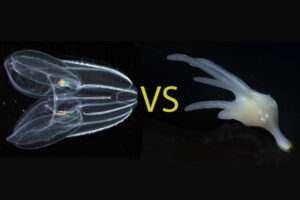
Scientists have long debated whether comb jellies (left) or sponges (right) are the sister group to all other animals. A detailed comparison of the chromosomes of these and other animals to the chromosomes of three single-celled non-animal groups finally resolves the question. (Photos courtesy of MBARI)

What did the earliest animals look like?

Brain illustration

Placenta Plays Crucial Role in Schizophrenia Risk

Woman's bare stomach

Gut bacteria tied to odds of getting Alzheimer’s

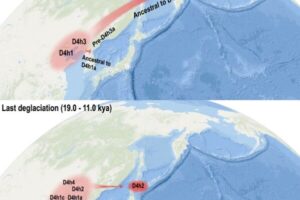
Infochart showing migration from China to Japan, and then to the Americas

Were early Americans really Chinese — or Japanese?

Older posts
Newer posts
← Previous Page1 … Page6 Page7 Page8 Page9 Next →
Substack subscription form sign up

Comments

  • Kidreadytobreed on Global warming reduces available wind energy
  • James on Global warming reduces available wind energy
  • James on Global warming reduces available wind energy
  • Booklet AI on Key to online education: Test early and often
  • Karoly Mirnics on Common Prescription Drugs May Disrupt Cholesterol Pathways in the Womb and Raise Autism Risk
© 2026 ScienceBlog.com | Follow our RSS / XML feed