Skip to content
ScienceBlog.com
  • Featured Blogs
    • EU Horizon Blog
    • ESA Tracker
    • Experimental Frontiers
    • Josh Mitteldorf’s Aging Matters
    • Dr. Lu Zhang’s Gondwanaland
    • NeuroEdge
    • NIAAA
    • SciChi
    • The Poetry of Science
    • Wild Science
  • Topics
    • Brain & Behavior
    • Earth, Energy & Environment
    • Health
    • Life & Non-humans
    • Physics & Mathematics
    • Social Sciences
    • Space
    • Technology
  • Our Substack
  • Follow Us!
    • Bluesky
    • Threads
    • FaceBook
    • Google News
    • Twitter/X
  • Contribute/Contact

genetics

DNA illustration

New Genetic Risk Factors for Dementia Discovered by NIH Scientists

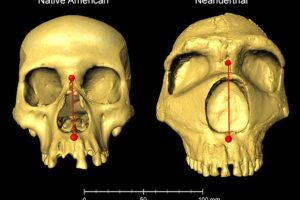
Modern human and Neanderthal skulls, showing difference in nasal height. Courtesy of Dr, Kaustubh Adhikari, UCL.

Neanderthal noses influence human honkers

The co-authors commissioned an artist to depict their findings about the Xiongnu. Illustration courtesy of Christina Warinner

DNA shows poorly understood empire was multiethnic with strong female leadership

The bone that researchers found belonged to an ancient individual that the Wrangell Cooperative Association named Tatóok yík yées sháawat (Young lady in cave). Credit: University at Buffalo

Searching for ancient bears in an Alaskan cave led to an important human discovery

Bacteria illustration

Antibiotic Resistance Driven by Geography, Demographics, Diet, and Lifestyle

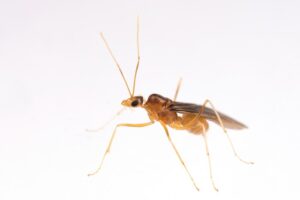
A male yellow crazy ant (Anoplolepis gracilipes)

Male yellow crazy ants are real-life chimeras

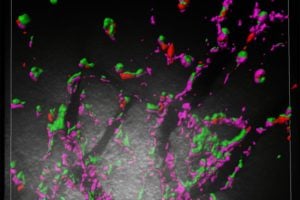
Brain proteins

Dozens of brain proteins may play a critical role in body weight regulation

A real fly (right) lands on a daisy petal next to the fake fly (left)

Deceptive daisy’s ability to create fake flies explained

cancer cell illustration

AI predicts genetics of cancerous brain tumors in under 90 seconds

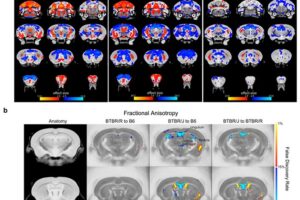
a. Brain structure comparisons of the following mice: Left: BTBR/R and B6 (normal mouse), Center: Comparison of BTBR/J and B6, Right: BTBR/J and BTBR/R. b. Diffusion tensor imaging to compare differences in nerve fibers. Red indicates the brain regions that were either bigger or had increased numbers of nerve fibers in BTBR/J mice in comparison to either B6 (left and center images) or BTBR/R (right image). Conversely, blue indicates brain regions in BTBR/J mice that were comparatively smaller or had decreased numbers of nerve fibers. These scans revealed particularly significant differences between BTBR/J and BTBR/R mice’s corpus callosum.

Ancient virus genome drives autism?

Chili peppers

Burning sensation from pepper, can block chronic pain

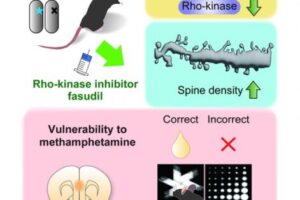
Researchers used the drug fasudil to restore neurons and improve methamphetamine-induced cognitive dysfunction in a mouse model of schizophrenia

Drug reverses key symptoms of schizophrenia in mice

Mice engage in grooming behavior, experiencing a phenomenon researchers call pleasant touch. Researchers from the Washington University Center for the Study of Itch and Sensory Disorders have identified a specific neuropeptide and a neural circuit that transmit pleasant touch from the skin to the brain. The findings eventually may help scientists better understand and treat disorders characterized by touch avoidance and impaired social development.

Drug alleviates autism-associated behavior in mice

Heart illustration

Team finds genes responsible for coronary artery disease, world’s No. 1 killer

Older posts
Newer posts
← Previous Page1 … Page7 Page8 Page9 Next →
Substack subscription form sign up

Comments

  • Kidreadytobreed on Global warming reduces available wind energy
  • James on Global warming reduces available wind energy
  • James on Global warming reduces available wind energy
  • Booklet AI on Key to online education: Test early and often
  • Karoly Mirnics on Common Prescription Drugs May Disrupt Cholesterol Pathways in the Womb and Raise Autism Risk
© 2026 ScienceBlog.com | Follow our RSS / XML feed