Skip to content
ScienceBlog.com
  • Featured Blogs
    • EU Horizon Blog
    • ESA Tracker
    • Experimental Frontiers
    • Josh Mitteldorf’s Aging Matters
    • Dr. Lu Zhang’s Gondwanaland
    • NeuroEdge
    • NIAAA
    • SciChi
    • The Poetry of Science
    • Wild Science
  • Topics
    • Brain & Behavior
    • Earth, Energy & Environment
    • Health
    • Life & Non-humans
    • Physics & Mathematics
    • Social Sciences
    • Space
    • Technology
  • Our Substack
  • Follow Us!
    • Bluesky
    • Threads
    • FaceBook
    • Google News
    • Twitter/X
  • Contribute/Contact

medical research

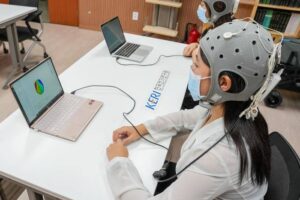
Research on the therapy to induce appetite suppression is being conducted at Seoul National University Hospital with Korea Electrotechnolgy Research Institute (KERI).

Electrical Brain Stimulation Shows Promise in Appetite Suppression

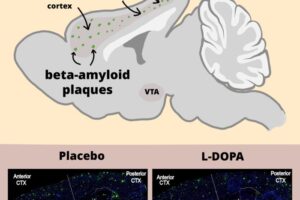
Dopamine treatment alleviates symptoms in Alzheimer’s disease

Dopamine Shows Promise in Reducing Alzheimer’s Symptoms

Research explains why virus causing cold sores does not spread to devastating brain infection

Research explains why virus causing cold sores does not spread to devastating brain infection

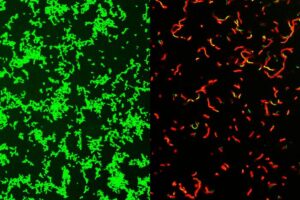
Researchers at Washington University School of Medicine in St. Louis have developed a compound that is effective against common bacteria that can lead to rare, dangerous illnesses. This image shows untreated Streptococcus pyogenes bacterial culture full of healthy microbes, labeled green (left). After treatment by GmPcide, the dish is full of dead bacteria (red; right).

New Antibiotic Compound Shows Promise Against Deadly Flesh-Eating Bacteria

A genetic diagnostic method using a small sample of skin from the upper arm could identify rare neurodevelopmental disorders in a non-invasive way, according to researchers at the University of Adelaide.

Skin may hold key to neurodevelopmental disorder diagnosis

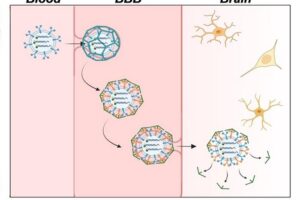
Researchers demonstrate exosomes loaded with fluorescent sensors that can pass through the blood-brain barrier (BBB) where the sensors light up in the presence of neurotransmitters linked to Alzheimer’s disease in the brain.

Improving Alzheimer’s disease imaging — with fluorescent sensors

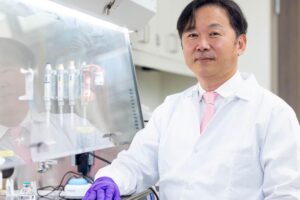
Lead study author Woong-Ki Kim, PhD, associate director for research at Tulane National Primate Research Center. Photo by Sabree Hill.

Promising New Drug Could Clear HIV from the Brain, Tulane Study Reveals

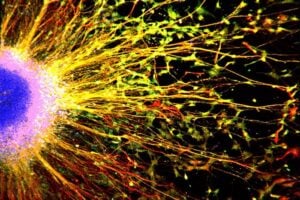
A brain organoid culture, where the MECP2 gene (linked to Rett syndrome) has been knocked out, is shown under a fluorescent microscope. The culture was treated with the experimental cancer drug ADH-503, resulting in the formation of new synapses.

Cancer Drug Shows Promise for Improving Cognition in Rett Syndrome and Other Neurological Disorders

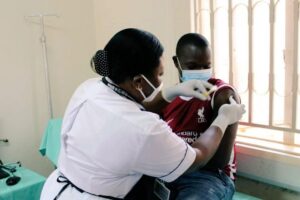
The first PrEPVacc volunteer participant receives an injection at the launch of the launch of the PrePVacc Trial at the Masaka site of the MRC/UVRI and LSHTM Uganda Research Unit, on Tuesday 15 December 2020.

HIV Vaccine Trial Fails to Prevent Infections, Raises New Questions

Alzheimer's brain artistic illustration

Data from largest clinical trial of pre-symptomatic Alzheimer’s now widely available

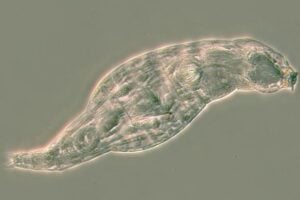
This rotifer has just survived a life-threatening infection. When a fungal disease attacked, she switched on hundreds of genes that her ancestors copied from microbes, including antibiotic recipes stolen from bacteria. Notes: This animal is about a quarter of a millimetre long and belongs to the species Adineta ricciae. It has two red eyes on its head.

Tiny Wheel Animals Steal Bacterial Genes to Make Their Own Antibiotics

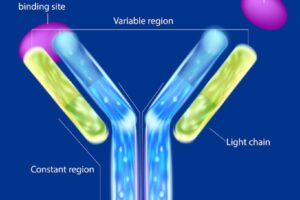
The nanobodies are derived from flexible, Y-shaped antibodies made up of heavy-chain peptides which may be more effective at fighting certain viruses.

Llama-Derived Antibodies Show Promise in Neutralizing HIV

cartoon of pregnant mouse exercising

New Exercise Molecule Discovery Could Unlock Weight Loss for Stubborn Cases

Bacteria Bacteroides fragilis, the major component of normal microbiome of human intestine

Gut Imbalance Raises Death Risk in Organ Transplant Patients

Older posts
Newer posts
← Previous Page1 Page2 Page3 … Page13 Next →
Substack subscription form sign up

Comments

  • Karoly Mirnics on Common Prescription Drugs May Disrupt Cholesterol Pathways in the Womb and Raise Autism Risk
  • Aizen on Laziness helped lead to extinction of Homo erectus
  • Norwood johnson on Electrons in New Crystals Behave as If They Live in Four Dimensions
  • ScienceBlog.com on Hidden Geometry Could Finally Fix Quantum Computers
  • Theo Prinse on America Is Going Back to the Moon. This Time, It Plans to Stay
© 2026 ScienceBlog.com | Follow our RSS / XML feed