Skip to content
ScienceBlog.com
  • Featured Blogs
    • EU Horizon Blog
    • ESA Tracker
    • Experimental Frontiers
    • Josh Mitteldorf’s Aging Matters
    • Dr. Lu Zhang’s Gondwanaland
    • NeuroEdge
    • NIAAA
    • SciChi
    • The Poetry of Science
    • Wild Science
  • Topics
    • Brain & Behavior
    • Earth, Energy & Environment
    • Health
    • Life & Non-humans
    • Physics & Mathematics
    • Social Sciences
    • Space
    • Technology
  • Our Substack
  • Follow Us!
    • Bluesky
    • Threads
    • FaceBook
    • Google News
    • Twitter/X
  • Contribute/Contact

waste management

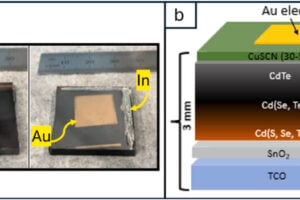
a) Thin film polycrystalline CdTe (Schottky diode) PV cell, glass side (left) and contact side (right), and b) device structure.

Scientists Turn Nuclear Waste into Electricity with New Micro-Battery Design

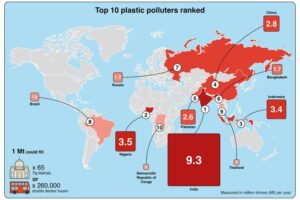
Infographic: Top 10 Plastic Polluters Ranked. Credit Dr Angeliki Savvantoglou of Bear Bones

Global Plastic Pollution Crisis: Uncollected Waste, Open Burning Major Culprits

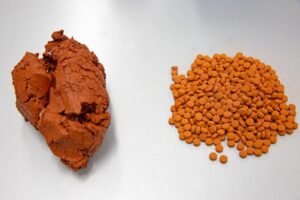
Industrial waste red mud raw material (left) and pelletized red mud catalyst (right)

Innovative Catalyst Turns Industrial Waste into Powerful Tool for Fighting Climate Change

Landfill burps from three sites in Florida, such as this one, contain high levels of airborne PFAS, including fluorotelomer alcohols.

Some landfill ‘burps’ contain airborne PFAS, study finds

sludge pond

Toxic Traces Found in Sewage-Based Fertilizers

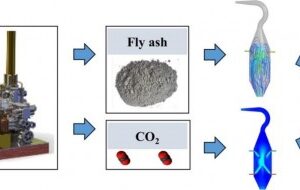
reactor process

Chinese reactor mineralizes CO2 with help of coal waste

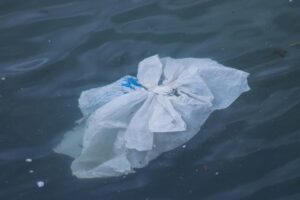
floating plastic bag

Millions of Tons of Plastic Piling Up on Ocean Floors

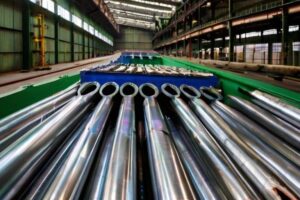
steel pipes in a warehouse

Transforming Aluminum Production Waste into Green Steel

Cocoa pods, like this one with parts of the husk removed for analyses, could be a useful starting material for flame retardants.

Cocoa pods — a source of chocolate, and potentially, flame retardants

Plastic fork. Pixabay

Nudging food delivery customers to skip the fork drastically cuts plastic waste

Dry toilet in Charles Léopold Mayer Foundation for Human Progress, in Paris.

A review of how wealthy societies dispose of their excrement

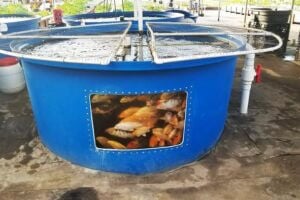
Fish raised in closed-containment farms can be coupled to plant cutltivation through a production model known as aquaponics. The researchers have now established a system to treat the hitherto ignored solid waste produced by these fish while also generating biogas from fish waste.

Transforming fish farms into biogas producers

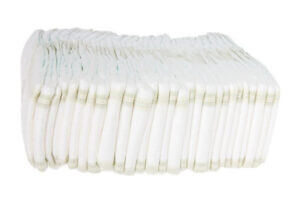
Stack of diapers

The house that diapers built

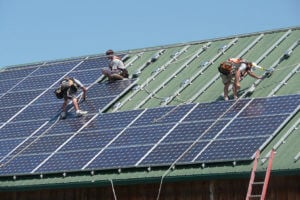
solar panels being installed on a building

Solar industry feeling the heat over disposal of 80 million panels

Older posts
Page1 Page2 Next →
Substack subscription form sign up

Comments

  • Norwood johnson on Electrons in New Crystals Behave as If They Live in Four Dimensions
  • ScienceBlog.com on Hidden Geometry Could Finally Fix Quantum Computers
  • Theo Prinse on America Is Going Back to the Moon. This Time, It Plans to Stay
  • george w on Hidden Geometry Could Finally Fix Quantum Computers
  • Tom Hughes on Years of Exercise, Blood Pressure Drugs Failed to Slow Cognitive Decline in Seniors at Dementia Risk
© 2026 ScienceBlog.com | Follow our RSS / XML feed