

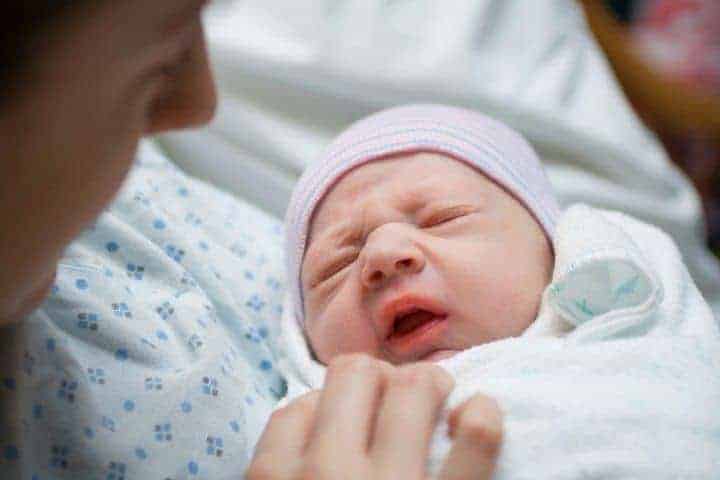
It’s one of the first, simplest medical acts of a newborn’s life: an intramuscular shot of vitamin K. Since the 1960s, this tiny injection has nearly eliminated a lethal condition called Vitamin K Deficiency Bleeding, or VKDB. But a powerful new study in the journal JAMA reveals something disturbing: The number of parents refusing this routine preventive shot is surging. The trend is quiet, but it’s rapidly putting thousands of US infants at needless risk.
Newborns don’t have the vitamin K needed to clot blood properly, leaving them vulnerable to dangerous internal hemorrhages, especially in the brain. The shot is a decades-old shield against this. Driven to understand the growing anecdotal refusal rates, a team led by Dr. Kristan Scott at the Children’s Hospital of Philadelphia (CHOP) analyzed over five million de-identified newborn records from hospitals nationwide between 2017 and 2024.
Nonreceipt Rates Spike by 77 Percent
The numbers paint a clear, alarming picture. The study found the rate of vitamin K nonreceipt soared from 2.92 percent of newborns in 2017 to 5.18 percent in 2024, a relative increase of 77 percent. Importantly, this dramatic trend began subtly before the 2020 pandemic, suggesting public doubt about pediatric medical interventions is deeper than just recent events. In total, 199,571 of the babies studied went without the crucial injection, a significant patient population vulnerable to severe bleeding.
Why do parents object? Their reasons often center on feeling the shot is unnecessary, a desire to avoid the slight pain of an injection, or fears of long-disproven side effects. These parents, understandably hesitant to subject their infant to a needle, often misjudge the low incidence of VKDB as negligible personal risk. Speaking to the choice, co-author Dr. Heather Burris offered a straightforward perspective:
There are always steps we can take to optimize our children’s health. We use car seats, we make sure they wear seatbelts, and we hold our kids’ hands when we cross the street. Another step we take to keep our children safe is to give them newborn Vitamin K.
Analyzing the data by patient groups revealed stark disparities. Refusal rates were highest among infants whose mothers identified as non-Hispanic White (4.3 percent nonreceipt) and those in the “other or unknown” race/ethnicity category, which saw the peak rate of 5.6 percent. These figures contrasted with significantly lower nonreceipt rates for non-Hispanic Black (3.4 percent) and Hispanic infants (3.3 percent). Furthermore, the study confirmed that babies born vaginally were more likely to skip the prophylactic shot than those delivered by C-section.
Brain Bleeds and the 81-Fold Risk
The stakes are incredibly high. For babies who develop the most severe form of the illness, late-onset VKDB, approximately half suffer an intracranial hemorrhage, a bleed inside the brain. This complication has a mortality rate of up to 20 percent. Experts calculate that an infant who is not given the injection is 81 times more likely to develop this severe, life-threatening form of the disorder than one who is protected.
The authors caution that the true national refusal rate is likely higher. Their analysis only included hospital births, leaving out planned home births, a setting known for elevated refusal rates. Speaking on the ethical weight of the decision, Dr. Scott was unequivocal:
Unfortunately, opting out of Vitamin K for a newborn is akin to gambling with a child’s health, forgoing a straightforward and safe measure that effectively prevents severe complications.
The solution, researchers argue, requires a robust, two-tiered response: public health regulatory action at the state level and improved, standardized communication between clinicians and parents in hospitals. These interventions are urgently necessary to guarantee this highly effective prophylaxis remains a universal practice, protecting the most vulnerable population from needless death and disability.