Eyes close,
yet the world opens.
Senses heightened,
our selves perceived.
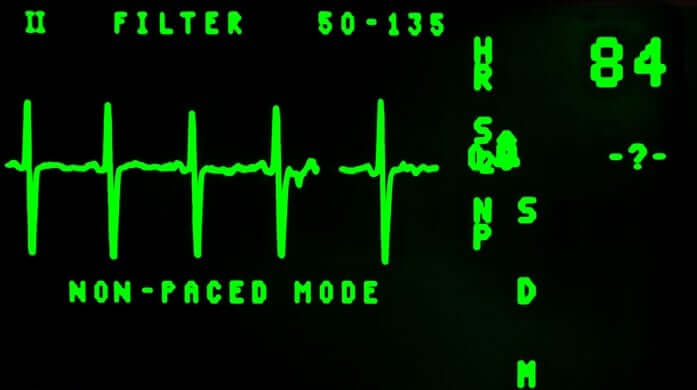
The heart beats,
the lungs breathe.
The world is felt,
the world is known.

This poem is inspired by recent research, which has found that blind people sense their heartbeats better than sighted people.
People who are blind or have low vision often have better senses of hearing, touch, and smell. This is because their brains are more flexible and can adapt to using information from other senses. This flexibility may also affect how people who are blind or have low vision perceive their internal organs. For example, they may be better at sensing their heartbeat or breathing. H
In this new study researchers asked 36 blind and 36 sighted people to count their own heartbeats without checking their pulse or touching their body. At the same time, the researchers recorded the participants’ actual heartbeats with a pulse oximeter. The researchers then compared the reported and recorded numbers to assess to what degree the participants were able to sense their own heartbeats. The results showed that the blind participants were able to sense their heartbeats more accurately than the sighted participants. The blind group had an average accuracy of 0.78 while the sighted group had an average accuracy of 0.63 on average, according to a scale where 1.0 represented a perfect score. This research suggests that the brain’s ability to change and adapt after blindness leads to a superior ability to sense signals from the heart, which has implications for the study of bodily awareness and emotional processing in blind individuals.