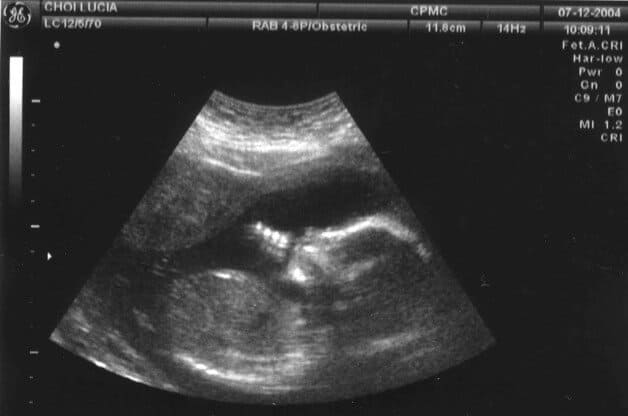
Most parents remember their first ultrasound: the fuzzy outline, the fluttering heartbeat, the technician’s voice. But those early impressions may carry more weight than we think.
According to new research from the University of Notre Dame, how healthcare providers talk about a fetus during prenatal scans can shape parental perceptions and, in turn, influence the child’s emotional development well into toddlerhood.
In two studies published in Communications Psychology, researchers found that descriptions attributed to prenatal care visits were more negative in tone than those drawn from conversations with family or imagined traits. And those negative prenatal impressions were significantly associated with later behavioral problems in children, including anxiety, aggression, and trouble sleeping.
- 70% of parents cited prenatal care as the source of their impressions
- More negative descriptions predicted greater toddler difficulties
- Provider language during ultrasounds influenced perceptions even in controlled experiments
“The ultrasound experience is such a salient, emotional part of the pregnancy overall,” said Kaylin Hill, lead author and assistant professor of psychology at Notre Dame. “The words used in these conversations with ultrasound technicians… influence who you think your child is before they’re even born.”
From Descriptions to Development
In the first study, 320 pregnant women provided five words to describe their unborn child. Those who described their baby with warmer, more positive language reported fewer emotional and behavioral issues when their child was 18 months old. Negative descriptors, especially those recalled from ultrasound appointments, were linked to increased problems, ranging from emotional reactivity to physical complaints.
Interestingly, these associations held even after accounting for whether parents were prompted to reflect on prenatal care visits. The timing mattered too. The later in pregnancy the description was given, the more negative the tone tended to be.
When Words Create a Personality
To isolate cause from correlation, a second study tested whether provider language alone could shift perceptions. In a controlled experiment, 161 women imagined undergoing a prenatal ultrasound. Each was randomly assigned to one of three scenarios explaining why images couldn’t be captured:
- The baby wasn’t cooperating
- There were technical issues
- They would have another opportunity to see the baby
Participants who heard the “uncooperative baby” explanation used far more negative words to describe the fetus. By contrast, those told they would see their baby again soon offered significantly more positive descriptions.
Clinical Language With Lasting Effects
While a single comment may seem trivial, Hill’s team found that these moments leave lasting impressions. Prenatal care visits are often emotionally charged, and medical professionals are viewed as trusted authorities. This combination makes offhand remarks about fetal behavior surprisingly powerful.
“We want to help support parents,” Hill said. “This research suggests a first step may be to talk with health care providers, to highlight the importance of these seemingly small differences in word choice.”
Hill and her colleagues suggest training ultrasound technicians and other prenatal care providers to avoid assigning personality traits, even playfully, during scans. Instead, focusing on the growing relationship between parent and child may better support positive developmental outcomes.
Journal: Communications Psychology
DOI: 10.1038/s44271-025-00176-3