
Our bodies are constantly under siege by foreign invaders; viruses, bacteria and parasites that want to infiltrate our cells. A new study in the journal eLife sheds light on how germ cells – sperm and egg – protect themselves from these attackers so that they can pass accurate genetic information to the next generation.
Researchers from the University of Rochester Center for RNA Biology: From Genome to Therapeutics examined the role of piRNA in safeguarding the integrity of the genetic information in germ cells. It’s known that piRNA – a type of ribonucleic acid (RNA) that’s found most readily in the testes and ovaries – shields germ cells by silencing the genetic sequences of viral intruders. It’s also known that defects or mutations in piRNA lead to infertility in humans and other animals. What’s not known is how piRNAs are generated in the first place.
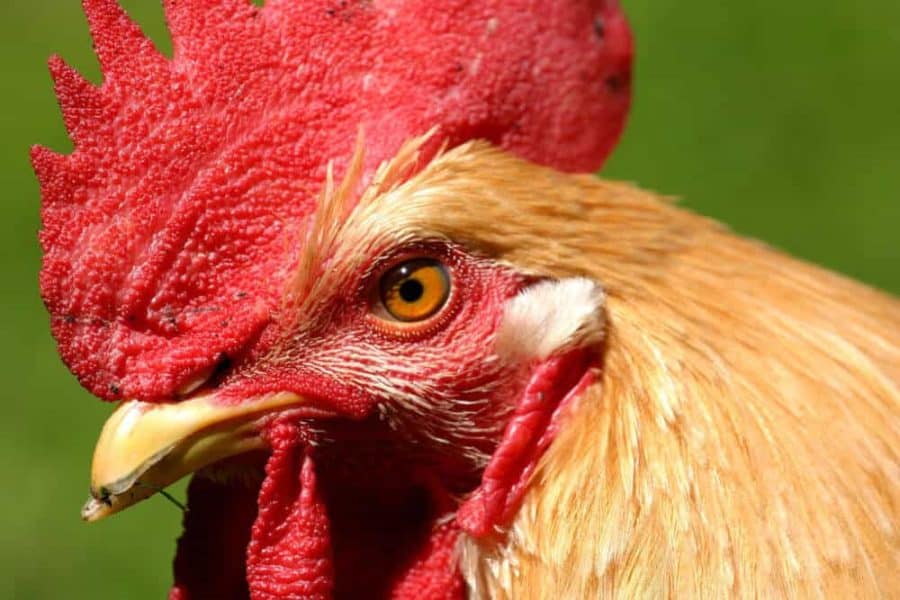
A team led by Xin Li, Ph.D., assistant professor in the departments of Biochemistry and Biophysics and Urology at the University of Rochester School of Medicine and Dentistry, analyzed rooster testes to find out.
Chickens acquire and harbor a wide variety of viruses. When a virus infects a host, like a chicken, it does everything it can to survive. One method of survival is inserting its genetic material into the chicken’s genome. Over generations, the inserted virus accumulates mutations and eventually becomes harmless to the animal, but it’s still a part of the chicken’s genetic material.
Li’s team focused on avian leukosis virus, which commonly infects and can lead to cancer in domestic chickens. Through molecular and genetic analysis, they discovered that chickens turn these old, existing viruses into piRNA-producing machines. When faced with a new avian leucosis virus (there are many different viruses in the family), the old viruses pump out piRNAs that defend the germ cells, ensuring the passage of intact genetic material to the next round of offspring.
“Our study shows how a host can turn a virus into a weapon to fight future viruses,” says Li, whose work is partially funded by a National Institute of Health grant designed to support the early careers of new scientists. “Better understanding piRNA may help us target more viruses, both in chickens and in people.”
ScienceBlog.com has no paywalls, no sponsored content, and no agenda beyond getting the science right. Every story here is written to inform, not to impress an advertiser or push a point of view.
Good science journalism takes time — reading the papers, checking the claims, finding researchers who can put findings in context. We do that work because we think it matters.
If you find this site useful, consider supporting it with a donation. Even a few dollars a month helps keep the coverage independent and free for everyone.