

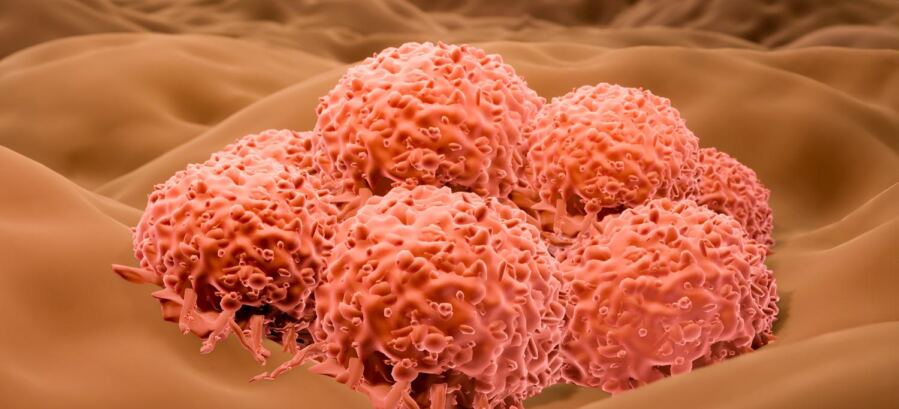
The surgery is the easy part to understand. A melanoma is cut out, the margins checked, and you are sent home cancer-free, at least on paper. Then comes the harder thing, which is the waiting. For people with high-risk melanoma, the worry was never really the tumor that surgeons removed but the rogue cells that might already have slipped away, biding their time. And five years is a long time to hold your breath.
Five-year follow-up presented at the American Society of Clinical Oncology meeting found that a personalised cancer vaccine combined with pembrolizumab continued to outperform pembrolizumab alone in this trial.
The vaccine is called intismeran, and it is unlike anything off a pharmacy shelf, because there is no shelf. Each dose is manufactured for one person and one person only, built from the genetic fingerprint of their own removed tumor. It is an mRNA vaccine, the same broad technology that became a household name during the covid years, except here the instructions it carries are not for a viral protein but for up to 34 of the mutated proteins, called neoantigens, that mark out a patient’s particular cancer. Teach the immune system to recognize those flags, the thinking goes, and its T cells will hunt down any melanoma cell trying to creep back.
The trial, known as KEYNOTE-942, pitted that vaccine plus the drug pembrolizumab against pembrolizumab on its own. 157 patients, randomized two-to-one, all of them with stage IIIB to IV melanoma already resected.
What the researchers reported after roughly five years of follow-up is the kind of number oncologists do not see often in this setting. Adding intismeran cut the risk of cancer returning or of death by 49 per cent compared with the drug alone. The risk of the cancer spreading to a distant organ, the thing that turns melanoma deadly, dropped by 59 per cent. Just under 69 per cent of the vaccine group were still cancer-free, against roughly 49 per cent of those who got pembrolizumab by itself.
“Our study offers strong evidence to melanoma patients that intismeran vaccine therapy, when used in combination with immunotherapy, can demonstrably reduce their risk of having their cancer return and improve clinical outcomes,” said Janice Mehnert at NYU Grossman School of Medicine, the study’s senior investigator.
A Vaccine With a Population of One
Here is roughly how the personalization works, and it is genuinely a bit of an undertaking. After surgery, a slice of the tumor goes off alongside a blood sample, the blood acting as a “normal” reference so the lab can spot which mutations belong to the cancer and which are just the patient. Next-generation sequencing reads the lot, and a machine-learning algorithm sifts through for the neoantigens most likely to provoke a response. Those get encoded into mRNA, wrapped in a fatty nanoparticle, and shipped back as a bespoke vaccine. It sounds fiddly, and it is, yet the trial reported the design process worked for about 84 per cent of patients and that, once a vaccine was designed, manufacturing succeeded more than 99 per cent of the time. Not bad for something assembled from scratch for each individual.
There was also a clue, buried in the immunology, about why the thing might work. Patients on the combination grew more new T-cell clones than those on the drug alone, and crucially, the people who made the most of these novel clones tended to be the ones who stayed cancer-free.
Why This One Worked Where Others Failed
None of this makes the result a slam dunk. This was a phase 2 study, the sample is small, and the survival data are still what researchers politely call immature, meaning too few people have died for the difference in overall survival to be statistically nailed down (though the trend favors the vaccine). The trial also excluded anyone who had already had drug therapy before surgery, so it cannot speak for everyone.
Still, the contrast with recent history is hard to ignore. Several earlier attempts to make melanoma immunotherapy stronger by bolting two drugs together, in trials with names like CheckMate 915 and KEYVIBE-010, simply did not improve outcomes, and tended to pile on side effects for the trouble. The neoantigen approach seems to be threading a different needle, squeezing out more benefit without the extra toxicity, which hints that aiming the immune system at a tumor’s specific mutations may beat just turning the whole system up louder. And the researchers think the principle could travel. Mehnert said the findings serve as encouragement that mRNA vaccines like intismeran “could work well in combination with immunotherapy for other cancers whose high rates of mutations have proven difficult to target.”
That is where this is heading now. A phase 3 trial is already running, the same combination is being trialed in lung and other cancers, and for the first time the question is shifting from whether a tumor can be turned against itself to how many kinds of tumor, and for how long.
DOI / Source: Khattak et al., Journal of Clinical Oncology (2026)
Frequently Asked Questions
How can a vaccine be made from a person’s own tumor?
After the melanoma is surgically removed, a sample of it is sequenced alongside a blood sample, which acts as a normal reference so the lab can tell cancer mutations apart from a patient’s ordinary genetic variation. An algorithm then picks out the mutated proteins most likely to alert the immune system, and those get encoded into a custom mRNA vaccine. The whole process is bespoke, which is part of why researchers were keen to show it could be manufactured reliably at scale.
Is this the same kind of vaccine as the covid shots?
It uses the same underlying mRNA-in-a-nanoparticle technology, but the goal is different. A covid vaccine teaches the body to recognize a single viral protein shared by everyone, whereas this one carries instructions for dozens of mutations unique to one patient’s cancer. So while the platform is familiar, the personalization is what sets cancer neoantigen vaccines apart.
Why does cutting the risk of distant spread matter so much?
Melanoma that stays local is often manageable, but once it spreads to distant organs it becomes far harder to treat and far more dangerous. In this trial the vaccine combination cut the risk of that distant spread by 59 per cent, which is why the result has caught oncologists’ attention. Whether it ultimately translates into more lives saved is the question the larger ongoing trials are designed to answer.
Could this approach work against cancers other than melanoma?
That is exactly the hope. The researchers suggest the strategy may suit cancers with high mutation rates that have proven difficult to target, and the same combination is already being tested in lung and other cancers. It is early days, but the logic of aiming the immune system at a tumor’s specific mutations is not unique to skin cancer.
Editor’s note: This article was updated on September 14, 2026, to align its headline and wording more closely with the evidence and sources.