
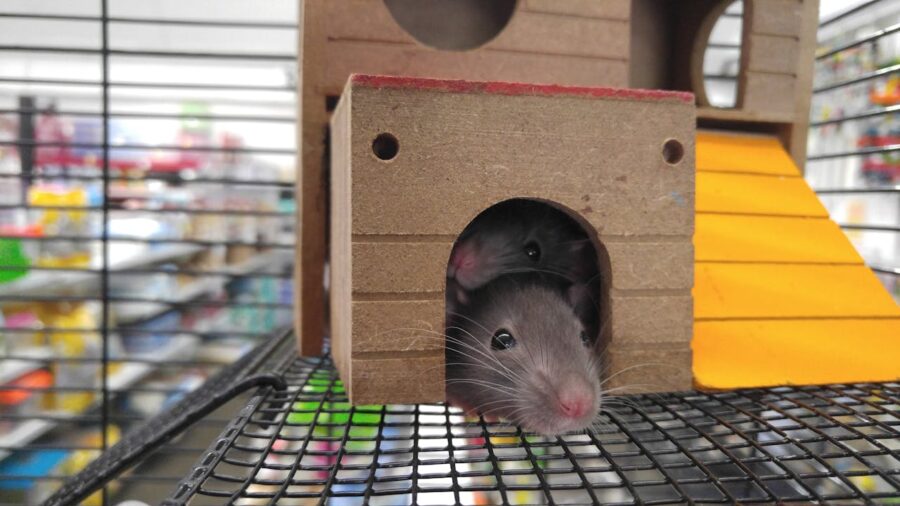
A 44-year-old woman in central Germany nearly died from a virus most people have never heard of, transmitted by creatures increasingly found in living rooms across the country: pet rats. The culprit was Seoul virus, a member of the hantavirus family that lurks in rat urine, feces, and saliva. After visiting a private rat breeding facility in early 2024, the woman developed fever, extreme fatigue, and diarrhea. Within days, her kidneys failed, requiring emergency dialysis. She survived, but the case has infectious disease experts worried about a blind spot in public health: the booming popularity of rats as household pets.
The woman had no underlying health conditions. Five weeks before her symptoms began, she visited a breeder to pick up pet rats for her children. She felt fine at first, but the virus was already incubating. By March, she was in the hospital with acute kidney injury so severe that her serum creatinine levels spiked to more than ten times the normal range. Doctors performed a kidney biopsy and found hantavirus antigens lodged in her tubular cells, surrounded by bleeding, swelling, and inflammation. It was a textbook case of hemorrhagic fever with renal syndrome, minus the hemorrhagic fever.
Tracing the Source
Health authorities launched an investigation, tracking the virus back to the breeding facility where the woman had visited. Inside a 30-square-meter space in a private apartment, investigators found roughly 30 rats bred for the pet trade. Six of those rats tested positive for Seoul virus. Genetic sequencing revealed a near-perfect match between the viral strains in the rats and the strain that infected the patient. The breeder, her husband, and her daughter all tested positive for hantavirus antibodies, though none recalled being sick. Meanwhile, the four rats the woman actually brought home tested negative, suggesting she contracted the virus during her initial visit, likely by inhaling contaminated dust particles stirred up in the breeding room.
“Many people are unaware that pet rats can carry pathogens that cause serious diseases. Responsible ownership and breeding, good animal hygiene, and public education, especially among pet rat owners, are crucial to preventing further infections in the future.”
Seoul virus is found worldwide, but human infections in Germany have been exceedingly rare. The virus spreads when people breathe in microscopic droplets laced with infectious rat excreta. Human-to-human transmission has never been documented. That makes every case a dead end, epidemiologically speaking, but also a warning. If breeders and pet owners do not know the risks, the virus can circulate silently in rat colonies, emerging only when someone gets sick enough to seek medical attention. Many infections likely go undiagnosed, mistaken for flu or food poisoning.
One Health, Many Gaps
The case highlights the need for what experts call a “One Health” approach, recognizing that human, animal, and environmental health are intertwined. But Germany currently lacks regulations for private rat breeders, and animal welfare laws make routine invasive testing of healthy animals difficult. The researchers suggest focusing on practical measures: better ventilation in breeding spaces, damp cleaning methods instead of dry sweeping, protective masks during cage maintenance, and quarantine protocols for newly acquired rats. Immunocompromised people and other vulnerable groups should avoid keeping rats altogether.
Clinicians, too, need to adjust their thinking. When a patient shows up with unexplained fever and kidney problems, asking about rodent contact should be as routine as asking about recent travel. The woman’s doctors got it right, but many cases probably slip through the cracks. Developing simple, noninvasive diagnostic tools, such as swab tests for rat breeders to use at home, could help catch outbreaks before they reach hospital emergency rooms.
“We also recommend asking patients with unexplained fever, kidney involvement, or bleeding symptoms specifically about contact with rodents, including pet rats.”
The patient eventually recovered. After three rounds of dialysis, her kidney function returned to normal, and follow-up tests two and eight months later showed no lasting damage. Her family remained healthy. But the outcome could have been different. Seoul virus infections can be mild or life-threatening, and there is no way to predict who will get lucky. As rats continue to gain popularity as affectionate, intelligent companions, the risk grows. The question is whether public health systems will adapt before the next breeding facility becomes the next outbreak hotspot.
Emerging Infectious Diseases: 10.3201/eid3110.250362
Discover more from Wild Science
Subscribe to get the latest posts sent to your email.