
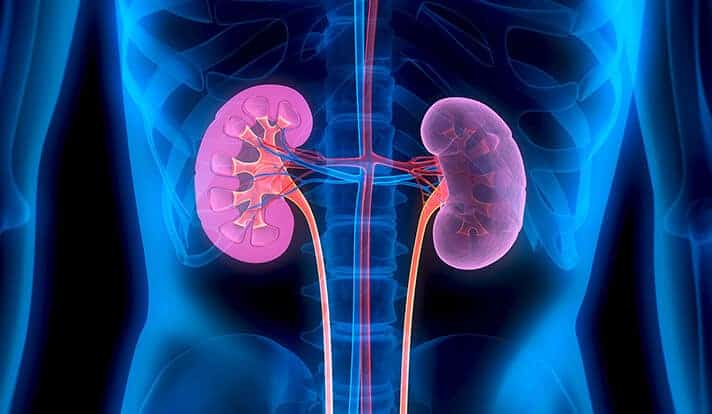
Cases of acute kidney injury (AKI) in hospitals are on the rise but treatments are elusive. To deepen understanding of the condition, which can lead to chronic kidney disease or death, a Yale-led research team conducted the largest study of genes associated with AKI to date.
The researchers analyzed approximately 1 million genetic variants derived from critically ill patients with AKI and compared them to equally ill patients without AKI. They discovered four gene variants, or polymorphisms, on chromosomes 4 and 22 that are linked to increased risk for AKI.
The finding opens the door for further research on how the variants contribute to kidney injury, which could lead to new treatments. Professor of medicine Chirag Parikh, M.D., led the team of researchers from the United States and Canada. Read the full study published in the American Journal for Respiratory Critical Care Medicine.
ScienceBlog.com has no paywalls, no sponsored content, and no agenda beyond getting the science right. Every story here is written to inform, not to impress an advertiser or push a point of view.
Good science journalism takes time — reading the papers, checking the claims, finding researchers who can put findings in context. We do that work because we think it matters.
If you find this site useful, consider supporting it with a donation. Even a few dollars a month helps keep the coverage independent and free for everyone.