
Researchers analyzing data from over 5,000 children with autism have identified four clinically and biologically distinct subtypes of the condition, each with unique genetic profiles and developmental trajectories.
The discovery could enable more personalized diagnosis and treatment approaches for autism spectrum disorder.
The study, published in Nature Genetics, used computational modeling to group individuals based on combinations of over 230 traits rather than searching for genetic links to single characteristics. This person-centered approach revealed subtypes that correspond to different patterns of genetic variation and clinical outcomes.
Four Distinct Autism Presentations
The research team, led by Princeton University’s Olga Troyanskaya, identified four autism subtypes using data from SPARK, a major autism research initiative. Each subtype shows different developmental, behavioral, and psychiatric patterns:
- Social and Behavioral Challenges (37%): Core autism traits with typical developmental milestones but frequent co-occurring conditions like ADHD, anxiety, and depression
- Mixed ASD with Developmental Delay (19%): Later developmental milestones but generally without psychiatric conditions
- Moderate Challenges (34%): Milder autism behaviors with typical development and no psychiatric conditions
- Broadly Affected (10%): Most severe presentation with developmental delays, communication difficulties, and multiple psychiatric conditions
Genetic Signatures Match Clinical Presentations
Each subtype showed distinctive genetic characteristics that aligned with their clinical features. The Broadly Affected group had the highest proportion of damaging de novo mutations—genetic changes not inherited from parents—while the Mixed ASD with Developmental Delay group was more likely to carry rare inherited variants.
These genetic differences suggest distinct biological mechanisms underlying superficially similar symptoms. “What we’re seeing is not just one biological story of autism, but multiple distinct narratives,” explains Natalie Sauerwald, associate research scientist at the Flatiron Institute and co-lead author.
The research revealed that autism subtypes differ in the timing of genetic disruptions during brain development. While much genetic impact was thought to occur before birth, the Social and Behavioral Challenges subtype—typically diagnosed later—showed mutations in genes active during childhood, suggesting post-birth biological mechanisms.
Precision Medicine Implications
“Understanding the genetics of autism is essential for revealing the biological mechanisms that contribute to the condition, enabling earlier and more accurate diagnosis, and guiding personalized care,” notes Troyanskaya, who directs Princeton Precision Health.
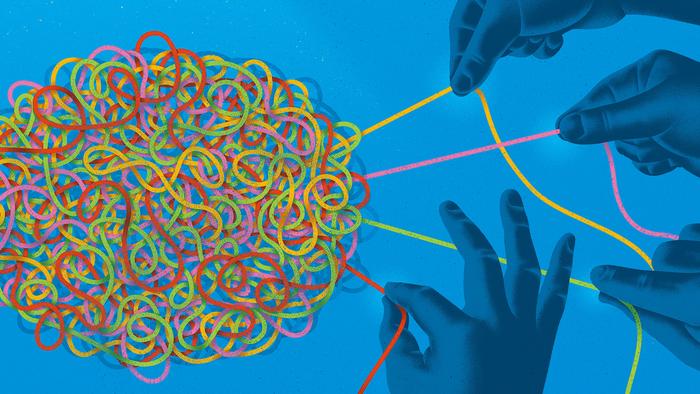
The findings address a longstanding challenge in autism research. Previous genetic studies often fell short because they treated autism as a single condition. “It was like trying to solve a jigsaw puzzle without realizing we were actually looking at multiple different puzzles mixed together,” Sauerwald observes.
Co-author Jennifer Foss-Feig from the Simons Foundation explains the clinical potential: “Understanding genetic causes for more individuals with autism could lead to more targeted developmental monitoring, precision treatment, and tailored support and accommodations at school or work.”
Biological Pathways and Treatment Targets
The research identified different biological processes affected in each subtype. The Social and Behavioral Challenges group showed disruptions in chromatin organization and DNA repair, while the Mixed ASD with Developmental Delay group had problems with neuronal signaling and membrane function.
Analysis of developmental gene expression patterns revealed that each subtype affects different brain cell types at distinct developmental stages. This timing aligns with clinical presentations—groups with early developmental delays showed genetic disruptions in genes active during fetal development, while later-presenting groups had mutations in genes active after birth.
The study validated these findings in an independent cohort, demonstrating the robustness of the four-subtype classification system.
Transforming Autism Research
This work represents a paradigm shift from seeking universal explanations for autism to investigating distinct genetic and biological processes driving each subtype. “The ability to define biologically meaningful autism subtypes is foundational to realizing the vision of precision medicine for neurodevelopmental conditions,” Sauerwald emphasizes.
For families, knowing their child’s autism subtype could offer clarity about symptoms, treatments, and long-term planning. The research also provides a framework for studying other complex conditions where multiple biological mechanisms may contribute to similar clinical presentations.
While the study defines four subtypes, researchers note this represents a starting point. “This doesn’t mean there are only four classes,” clarifies co-lead author Aviya Litman. “It means we now have a data-driven framework that shows there are at least four—and that they are meaningful in both the clinic and the genome.”
ScienceBlog.com has no paywalls, no sponsored content, and no agenda beyond getting the science right. Every story here is written to inform, not to impress an advertiser or push a point of view.
Good science journalism takes time — reading the papers, checking the claims, finding researchers who can put findings in context. We do that work because we think it matters.
If you find this site useful, consider supporting it with a donation. Even a few dollars a month helps keep the coverage independent and free for everyone.