
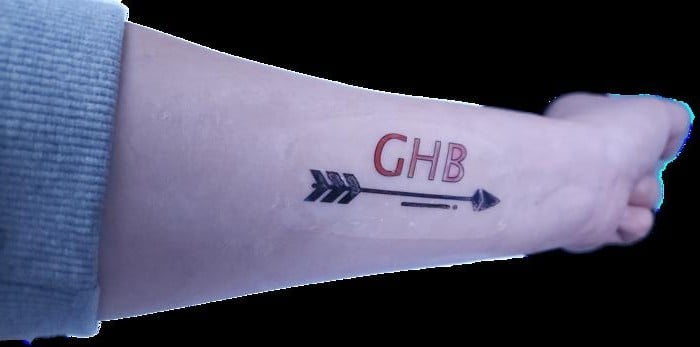
A new study in ACS Sensors describes a wearable tattoo-like sticker that can instantly detect γ-hydroxybutyrate (GHB), a drug often used to spike drinks and facilitate sexual assault.
Designed to look like a decorative temporary tattoo, the sticker changes color when it comes into contact with even trace amounts of GHB in beverages such as beer, vodka, or coffee.
A Hidden Warning System
GHB and other so-called “date rape” drugs are especially dangerous because they’re colorless, tasteless, and fast-acting. Victims often appear extremely intoxicated within minutes and may have little memory of what occurred.
While drink-testing strips exist, they can be hard to use discreetly and may take several minutes to give results. The new tattoo sticker, developed by researchers in South Korea, responds in just one second and can be worn directly on the skin.
How the GHB Tattoo Sticker Works
Researchers created the sticker using a mold filled with a gel that contains a chemical receptor called BHEI. When exposed to GHB, the BHEI reacts by turning red. The gel layer is sealed inside a flexible, skin-safe plastic backing and finished with a light adhesive.
To test for GHB, a person would:
- Dip a fingertip into the drink in question,
- Touch the tattoo sticker briefly,
- Check for a red color change—usually visible within 1 second.
The reaction remains visible for up to 30 days, which may be helpful in documenting an incident after the fact.
Effective Across Multiple Drinks
The tattoo successfully detected GHB in multiple types of beverages—including soju, whiskey, and coffee—at concentrations as low as 0.01 milligrams per milliliter. That’s below the threshold needed to cause serious physiological effects, offering a chance for early intervention.
Researchers also tested the sticker’s durability. It held up to twisting, stretching, water exposure, and skin contact, confirming that it works under real-life conditions.
Affordable, Accessible Protection
The team says the tattoo stickers are inexpensive to produce and easy to customize with different designs. This makes them well-suited for commercialization as wearable tools to detect drink tampering and reduce the risk of drug-facilitated sexual assault.
Journal: ACS Sensors
DOI: 10.1021/acssensors.4c03737
ScienceBlog.com has no paywalls, no sponsored content, and no agenda beyond getting the science right. Every story here is written to inform, not to impress an advertiser or push a point of view.
Good science journalism takes time — reading the papers, checking the claims, finding researchers who can put findings in context. We do that work because we think it matters.
If you find this site useful, consider supporting it with a donation. Even a few dollars a month helps keep the coverage independent and free for everyone.