
Fish oil rich in DHA and EPA is widely believed to help prevent disease by reducing inflammation, but until now, scientists were not entirely sure about its immune enhancing effects.
A new report appearing in the April 2013 issue of the Journal of Leukocyte Biology, helps provide clarity on this by showing that DHA-rich fish oil enhances B cell activity, a white blood cell, challenging the notion that fish oil is only immunosuppressive. This discovery is important as it shows that fish oil does not necessarily reduce the overall immune response to lower inflammation, possibly opening the doors for the use of fish oil among those with compromised immune systems.
“Fish oil may have immune enhancing properties that could benefit immunocompromised individuals,” said Jenifer Fenton, Ph.D., M.P.H., a researcher involved in the work from the Department of Food Science and Human Nutrition at Michigan State University in East Lansing, Michigan.
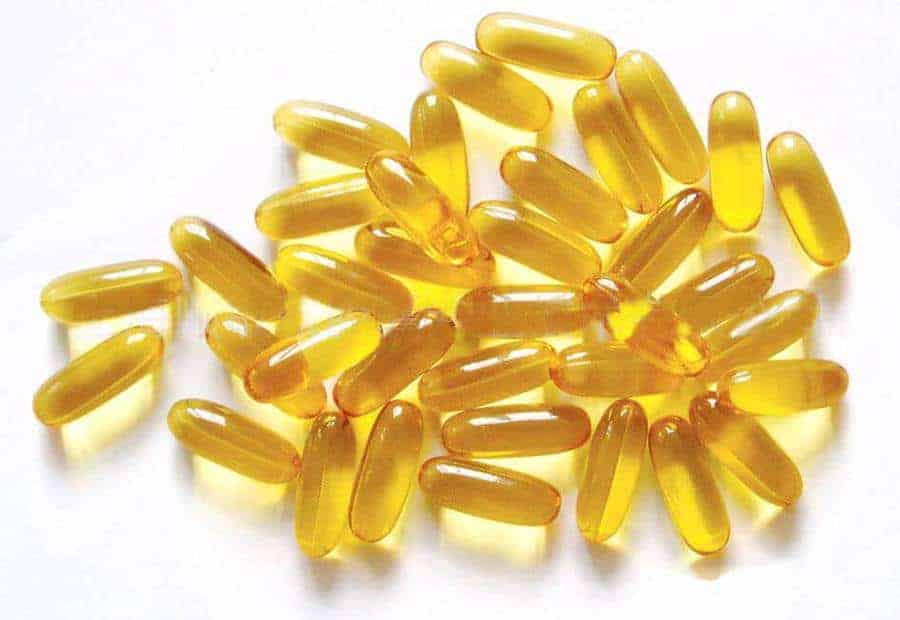 To make this discovery, researchers used two groups of mice. One group was fed a control diet, and the other was fed a diet supplemented with DHA-rich fish oil for five weeks. B cells were harvested from several tissues and then stimulated in culture. Researchers then looked for markers of B cell activation on the cell surface, B cell membrane changes, and B cell cytokine production. They found that DHA-enriched fish oil enhanced B cell activation and select antibody production, which may actually aid immune responses associated with pathogen clearance, while possibly dampening the totality of the inflammatory response.
“This work confirms similar findings on fish oil and B cells from our lab, and moves us one step closer to understanding the immune enhancing properties of EPA and DHA,” said S. Raza Shaikh, Ph.D., a researcher also involved in the work from the Department of Biochemistry and Molecular Biology at East Carolina University.
ScienceBlog.com has no paywalls, no sponsored content, and no agenda beyond getting the science right. Every story here is written to inform, not to impress an advertiser or push a point of view.
Good science journalism takes time — reading the papers, checking the claims, finding researchers who can put findings in context. We do that work because we think it matters.
If you find this site useful, consider supporting it with a donation. Even a few dollars a month helps keep the coverage independent and free for everyone.