

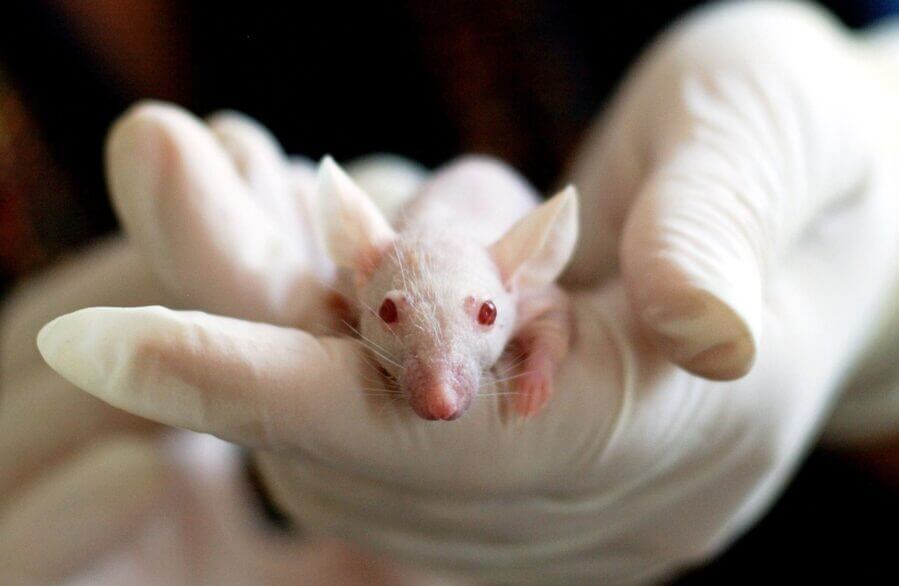
Hope can be fragile in Type 1 diabetes research, yet this experiment lands with unusual force, showing what happens when the immune system is quietly rebuilt instead of suppressed. In a Stanford Medicine study, mice either on the brink of autoimmune diabetes or living with long-standing disease were cured without insulin or chronic immune-suppressive drugs.
The research, published November 18, 2025 in the Journal of Clinical Investigation, tested an experimental combination of blood stem cell and pancreatic islet transplantation performed across a donor mismatch, a setup that normally sparks dangerous immune conflict. Developed by senior author Dr. Seung K. Kim and lead author Preksha Bhagchandani, the approach used antibodies, low-dose radiation, and a drug for autoimmune disease to create what they call a hybrid immune system in which donor and recipient cells coexist. In 19 prediabetic mice, the method prevented the onset of Type 1 diabetes. In another nine mice with established disease, it reversed it entirely.
At the center of the work is a simple but radical idea, that immune tolerance can be engineered, not forced. The hybrid immune system that forms after transplantation appears to protect donor-derived islets while also quieting the host’s autoimmune attack on new and native tissue. None of the animals developed graft-versus-host disease over six months, and none required insulin. For a field dominated by incremental gains, the durability of the effect is striking.
Resetting an Immune System Bent on Attack
Type 1 diabetes emerges when the immune system destroys the pancreas’s insulin-producing beta cells, and any replacement cells end up in the crosshairs too. Preparing these autoimmune-prone mice for transplant proved demanding. A first-generation protocol worked for toxin-induced diabetes but failed when autoimmunity was the driving force. Bhagchandani and postdoctoral fellow Stephan Ramos solved the problem by adding a drug commonly prescribed for autoimmune disease, which opened the door to stable coexistence of donor and recipient stem cells.
“We need to not only replace the islets that have been lost but also reset the recipient’s immune system to prevent ongoing islet cell destruction,” said Dr. Seung K. Kim. “Creating a hybrid immune system accomplishes both goals.”
This immune realignment draws heavily on decades of work from the late Dr. Samuel Strober and colleagues, who demonstrated that partially matched human bone marrow transplants could foster long-term organ tolerance. Those efforts inspired today’s gentler conditioning strategy, designed not to eradicate marrow as in cancer treatment but to nudge it, making room for donor cells without the toxic fallout of traditional approaches.
Toward Human Translation, and the Barriers Ahead
Despite the clarity of the mouse results, moving this approach into a clinical setting presents logistical and biological hurdles. Donor islets can only be obtained from deceased donors, and both the islets and stem cells must come from the same individual. That constraint, combined with the scarcity of transplant-quality islet yields, means the method is not yet ready for widespread use. But the team is pursuing solutions, including generating lab-grown human islets from pluripotent stem cells and boosting the persistence of donor islets after transplant.
“Based on many years of basic research by us and others, we know that blood stem cell transplants could also be beneficial for a wide range of autoimmune diseases,” said Dr. Judith A. Shizuru. “The challenge has been to devise a more benign pre-treatment process.”
Still, the conceptual shift is profound. Instead of attempting to restrain an autoimmune system for life, the researchers propose rebuilding it once, carefully, so that tolerance becomes the default and donor tissues can thrive without ongoing medication. Beyond diabetes, the team sees openings for safer stem cell transplants in conditions like lupus, rheumatoid arthritis, sickle cell anemia, and organ transplantation where immune incompatibility stops thousands of procedures each year.
The mouse data are early but unusually clean. No graft-versus-host disease. No chronic immunosuppression. Uniform correction of autoimmunity and durable metabolic control. Whether this gentler immune reset can work in people remains the next unanswered question, but for a disease defined by relentless self-attack, the idea of teaching the immune system to start over carries unmistakable promise.