

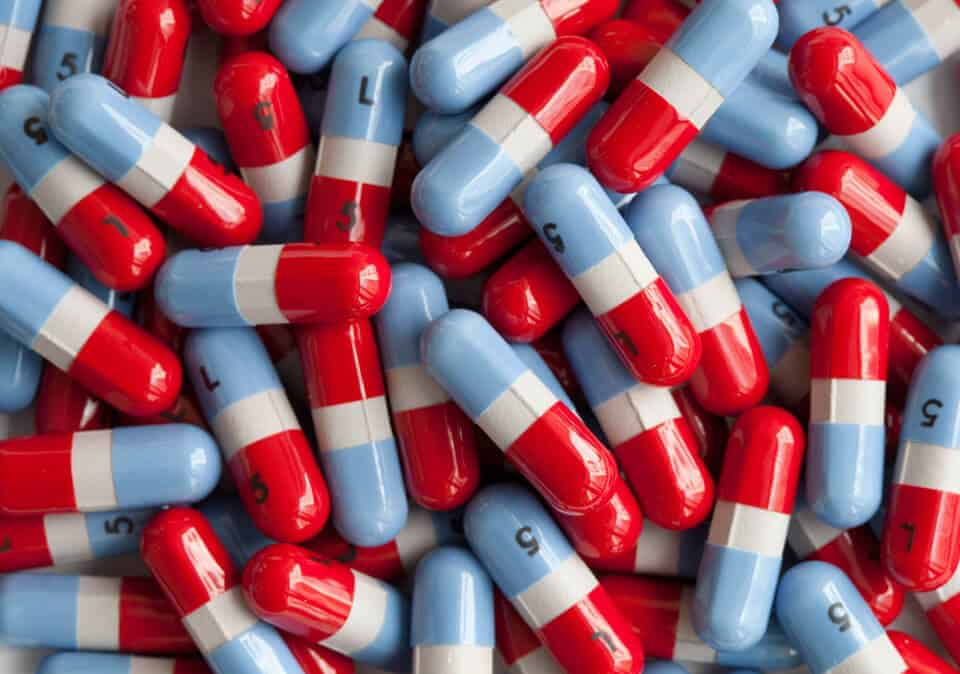
Each year, thousands of Americans land in emergency rooms after overdosing on acetaminophen, the common painkiller in Tylenol and other products. A new study presented at the American Chemical Society’s Fall 2025 meeting suggests that a small molecule, called YM81, can prevent acetaminophen-induced liver injury by targeting a key protein in the body’s inflammatory machinery.
The compound worked in mice, significantly reducing signs of liver inflammation and damage, and may someday provide an urgently needed alternative to the current treatment.
The Limits of Current Therapy
Acetaminophen is safe at standard doses, but in overdose, the liver produces a toxic byproduct known as NAPQI. If levels rise too high, cells die and the organ fails. Today, doctors use N-acetylcysteine (NAC) to counteract this effect, but the drug must be administered within eight hours, leaving many patients vulnerable. Researchers at Virginia Commonwealth University set out to find another option, one that could interrupt the damage even after the toxic cascade had begun.
The Culprit Protein
The team focused on an inflammatory protein called gasdermin D (GSDMD). When activated, GSDMD punches holes in cell membranes, triggering a violent form of cell death called pyroptosis. This process floods tissues with inflammatory molecules, worsening injury. By designing small molecules to interfere with this step, the researchers discovered YM81, which bound directly to GSDMD and stopped it from forming damaging pores.
“In the future, we will focus on optimizing YM81 to increase its potency, safety and stability, in addition to exploring its therapeutic potential in additional animal models,” said Shijun Zhang, the study’s principal investigator.
Evidence in Mice
In a trial with 15 mice given acetaminophen overdoses, five received YM81 while the rest were given a placebo. Seventeen hours later, the YM81-treated mice showed dramatically lower levels of liver enzymes that signal cell injury. The effect suggested that YM81 helped preserve liver function by preventing pyroptosis. Compared with an established inflammasome inhibitor, MCC950, YM81 showed stronger activity in reducing markers of inflammation.
Beyond the Liver
The researchers believe the approach has wider potential. “GSDMD is a common protein involved in multiple inflammatory and neurodegenerative diseases, such as arthritis, sepsis and gout,” said graduate student Jannatun Nayem Namme, who presented the findings. “Targeting GSDMD could offer a therapeutic strategy to reduce the inflammation and damage from multiple diseases and causes.”
Key Points
- Acetaminophen overdose is the leading cause of acute liver injury in the U.S.
- Current treatment, N-acetylcysteine, must be given quickly to work.
- YM81 blocks the inflammatory protein gasdermin D, halting pyroptosis.
- In mice, YM81 reduced liver enzyme levels and preserved tissue health.
What Comes Next
The compound remains at an early stage. Further optimization is needed before testing in humans, and the safety profile must be rigorously established. Still, the work highlights a new strategy against one of the most common and preventable medical emergencies in the country. If successful, YM81 or similar compounds could one day extend the treatment window for acetaminophen overdose and open new doors for tackling inflammatory disease.
Presented at the American Chemical Society Fall 2025 Meeting.