

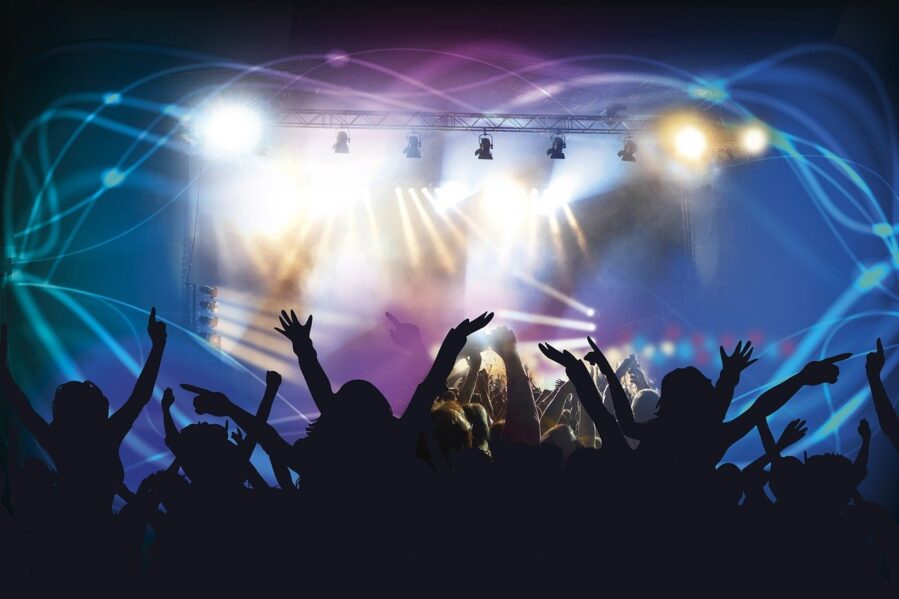
Festivals, concerts, farmers’ markets, and sporting events do more than entertain—they significantly boost psychological wellbeing by increasing joy, contentment, and feelings of absorption in activities.
Research from the University of South Australia reveals that frequently attending in-person events creates measurable improvements in positive emotions and engagement, effects that virtual events cannot replicate.
The study of 351 South Australians found strong associations between event attendance and enhanced wellbeing, providing quantitative evidence for what many have long suspected: getting out and participating in community gatherings genuinely makes people happier and more engaged with life.
Beyond Entertainment Value
Researchers surveyed participants about their attendance at various events—from cultural festivals to food markets—and measured wellbeing using the established PERMA framework, which assesses positive emotions, engagement, relationships, meaning, and accomplishment. The results showed that people who regularly attended in-person events experienced significantly higher levels of positive emotions like joy and excitement.
Perhaps more intriguingly, frequent event-goers also reported higher engagement levels—that state of being fully absorbed in activities where time seems to slip away unnoticed. This suggests events create experiences that extend beyond momentary pleasure into deeper psychological immersion.
Associate Professor Sunny Son from UniSA explains the significance: “Our study took a holistic approach by looking at the relationships between attending events and wellbeing. We found evidence that attending events can meaningfully improve individuals’ wellbeing, encouraging communities to leverage events to improve general well-being.”
Virtual vs. In-Person Experiences
The research coincidentally occurred during 2021, when COVID-19 restrictions had forced many events online, creating a natural experiment comparing virtual and live experiences. While virtual events did contribute to participants’ sense of accomplishment, they showed no impact on other wellbeing dimensions.
This finding challenges assumptions about digital substitutes for live experiences. Online concerts, streamed sports events, and virtual gatherings may offer convenience and accessibility, but they appear to miss crucial elements that make in-person events psychologically beneficial.
Key differences between event types include:
- In-person events: Boost positive emotions and engagement significantly
- Virtual events: Enhance sense of accomplishment but lack broader wellbeing benefits
- Physical interaction: Live events enable direct social contact and environmental immersion
- Accessibility: Virtual events reach broader audiences but with limited psychological impact
Practical Applications
The research suggests practical strategies for leveraging events to improve wellbeing across various settings. Dr. Eliza Kitchen from Flinders University notes that organizations can incorporate events into employee reward programs or distribute free tickets to staff, potentially enhancing workplace satisfaction and productivity.
Educational institutions could similarly use events to support student mental health—particularly relevant given that nearly 39% of young Australians report experiencing mental health issues. Special events provide opportunities for social interaction, stress relief, and personal growth that traditional academic settings may not offer.
Local councils might consider hosting free community events not just for tourism or economic benefits, but as public health initiatives. Such gatherings help residents connect with neighbors and foster stronger community bonds, contributing to collective wellbeing.
The Science of Social Connection
The study’s methodology revealed interesting nuances about how events influence wellbeing. When researchers controlled for existing mental health issues, the positive effects of in-person events actually intensified, suggesting these benefits apply broadly across populations regardless of baseline psychological state.
This finding contradicts concerns that events might only benefit those already in good mental health. Instead, the research indicates that event attendance can serve as an effective wellbeing intervention for diverse groups, including those managing mental health challenges.
The researchers emphasize that wellbeing improvements extend beyond individual benefits. People with higher wellbeing levels demonstrate better workplace performance, stronger community engagement, and reduced healthcare needs—creating positive ripple effects throughout society.
As communities worldwide grapple with rising mental health concerns and social isolation, this research provides evidence-based support for investing in live events as wellbeing infrastructure, not merely entertainment options.