Skip to content
ScienceBlog.com
  • Featured Blogs
    • EU Horizon Blog
    • ESA Tracker
    • Experimental Frontiers
    • Josh Mitteldorf’s Aging Matters
    • Dr. Lu Zhang’s Gondwanaland
    • NeuroEdge
    • NIAAA
    • SciChi
    • The Poetry of Science
    • Wild Science
  • Topics
    • Brain & Behavior
    • Earth, Energy & Environment
    • Health
    • Life & Non-humans
    • Physics & Mathematics
    • Social Sciences
    • Space
    • Technology
  • Our Substack
  • Follow Us!
    • Bluesky
    • Threads
    • FaceBook
    • Google News
    • Twitter/X
  • Contribute/Contact

University of Bristol

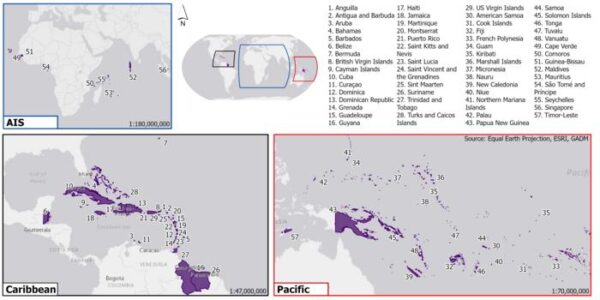
Image identifies where all 57 SIDS are located globally, including in the more concentrated regions of the Pacific (in red) and Caribbean (in black). Most SIDS are very small, meaning they have previously been missed out in global flood risk studies.

Island Nations That Pollute Least Face Highest Flood Risk

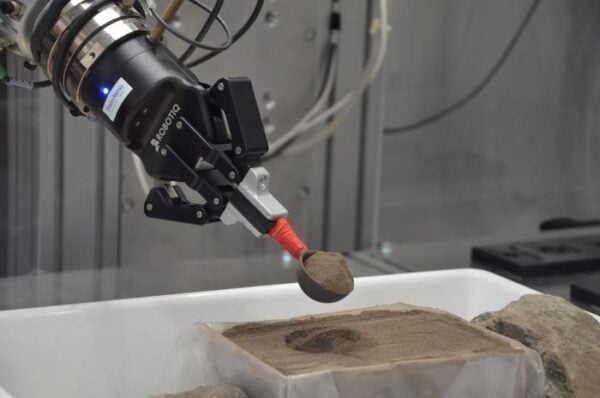
robot scoop demo

Virtual Simulation Paves Way for Lunar Dust Collection

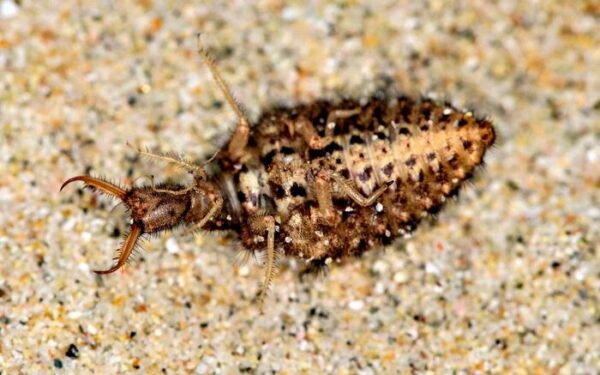
An antlion larva (Euroleon nostras) playing dead

Life after (feigned) death

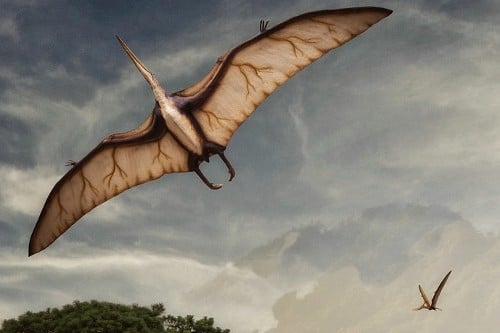
The pterosaur likely used all four limbs to propel itself in the air, as seen in bats today, researchers have found.

Giant prehistoric flying reptile took off using similar method to bats, study finds

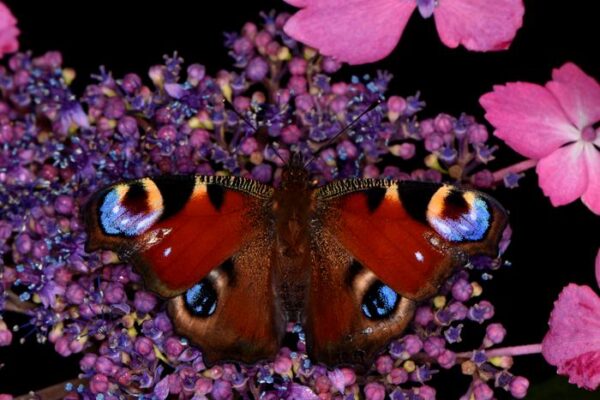
Peacock butterfly

Butterflies accumulate enough static electricity to attract pollen without contact

Sad dog with puppy eyes

Smell of human stress affects dogs’ emotions leading them to make more pessimistic choices

toddler wearing brain monitoring cap

Toddlers’ brains show significant growth in cognitive skills by 16 months

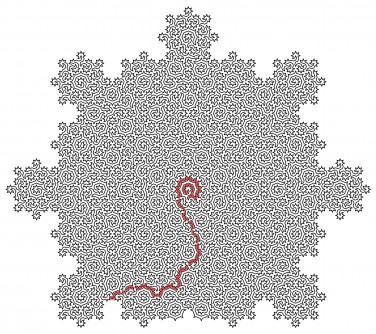
Image shows one possible solution exiting the simpler of the two mazes.

Scientists create world’s most amazingly difficult maze with future potential to boost carbon capture

Front cover from June’s Science Translational Medicine showing rescued retinal pigment epithelium (RPE) cells following IRAK-M gene therapy

Boosting key protein in eye cells could prevent age-related vision loss

baby feet

Prenatal exposure to air pollution associated with increased mental health risks

Vapourer moth caterpillar being measured with the laser Doppler vibrometer

Caterpillars can detect their predators by the static electricity they emit

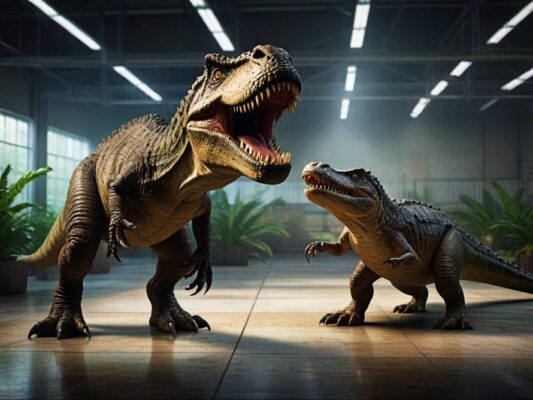
a Tyrannosaurus rex alongside a modern-day crocodile. The T. rex and crocodile are positioned side by side, with their heads at a similar level, emphasizing the comparison of their cognitive abilities.

When it Comes to Smarts, Dinosaurs Were More Like Crocodiles Than Monkeys

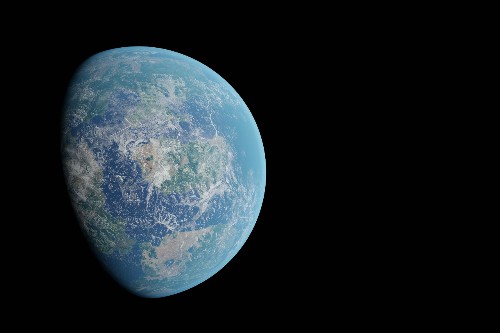
Earth seen in space

Earth’s Oxygen Evolution Unraveled: Key Insights for Assessing Life on Other Planets

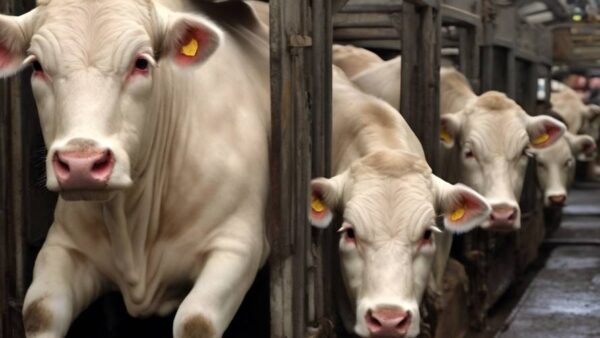
Cattle in a truck

Live animal transport regulations not ‘fit for purpose’, major international study finds

Older posts
Newer posts
← Previous Page1 Page2 Page3 … Page5 Next →
Substack subscription form sign up

Comments

  • Brunette Keller on How New Herpes Drugs Jam a Virus’s Replication Engine
  • Aizen on Laziness helped lead to extinction of Homo erectus
  • Norwood johnson on Electrons in New Crystals Behave as If They Live in Four Dimensions
  • ScienceBlog.com on Hidden Geometry Could Finally Fix Quantum Computers
  • Theo Prinse on America Is Going Back to the Moon. This Time, It Plans to Stay
© 2026 ScienceBlog.com | Follow our RSS / XML feed