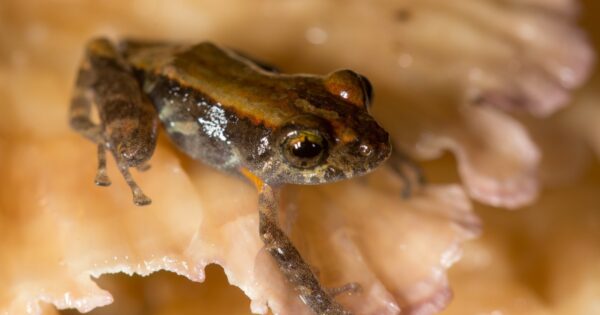
Scientists formally name loud Ecuadorian frog after 24 million years of hidden identity
How does a frog that calls loudly from bromeliads at night, across a swathe of western Ecuador, reach 2026 without a scientific name of its own?
Sep 8, 2026
Nature and ecology
Natural History is Science Blog's desk for the living world. Animals, evolution, and ecology, reported from the field science and the papers rather than the press releases.

How does a frog that calls loudly from bromeliads at night, across a swathe of western Ecuador, reach 2026 without a scientific name of its own?
Sep 8, 2026


After a North Sea storm, a dark tangle in the wrack line can look like discarded nylon rope.
Sep 8, 2026

A seven-night study estimated the number of migrants whose behavior changed near the memorial beams. Brief shutdowns dispersed the birds; the 1.1 million estimate was not a death toll.
Sep 8, 2026

Across 64 hours of watching at a single beach club, the team logged 14 ball-making attempts and eight finished balls, and recorded no ball-making at all at a comparable site roughly 30 kilometres away.
Sep 8, 2026

Proprioception is the sense that lets a person touch their nose with their eyes shut.
Sep 7, 2026

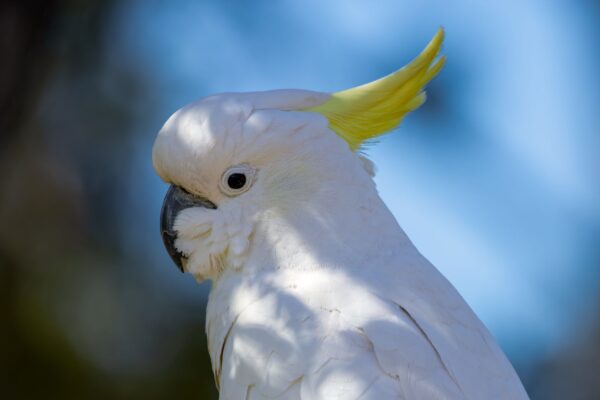
Community reports and direct observations showed a difficult bin-opening technique spreading socially through Sydney cockatoos and developing local variants.
Sep 6, 2026

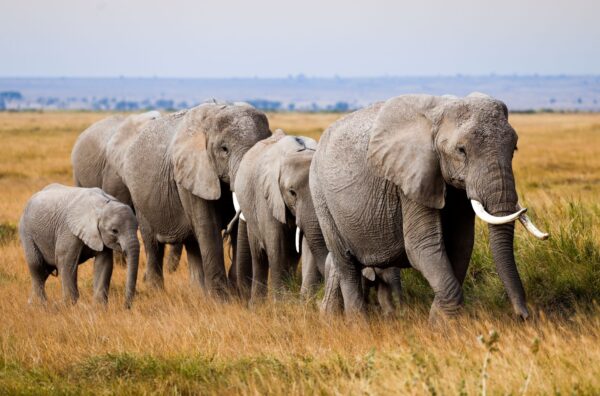
Machine learning found receiver-specific information in 469 Kenyan elephant rumbles, and 17 wild elephants responded faster to calls originally directed at them.
Sep 6, 2026

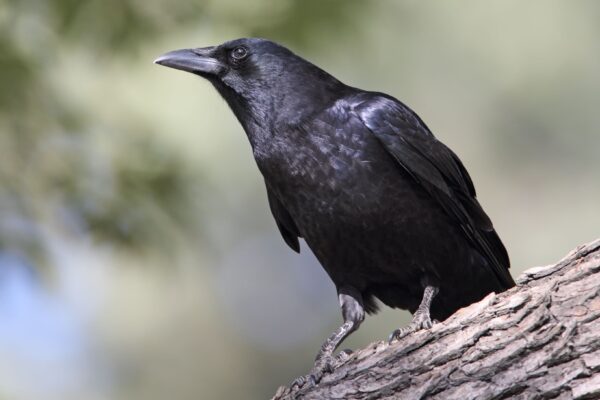
Seven Seattle crows learned one masked face during a 2006 banding. The warning moved through the local flock and across generations before a 2023 walk finally drew silence.
Sep 6, 2026

What began as one couple's attempt to heal a ravaged landscape has become proof that even severely degraded ecosystems can recover far faster than science predicted.
Sep 6, 2026

A Europe-wide habitat model suggests climate shifts moved Neanderthal refuges without erasing them, while weak links among some regions may have made small populations harder to rescue after local shocks.
Sep 5, 2026

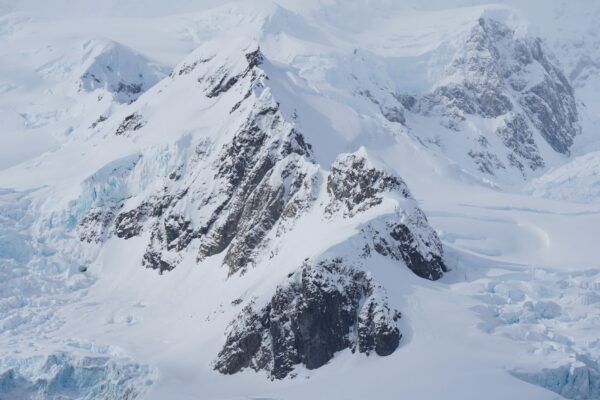
Antarctica’s high plateau receives less than 50 millimetres of water-equivalent accumulation a year. Its immense ice sheet is the product of cold retention, compression, flow and deep time.
Sep 5, 2026

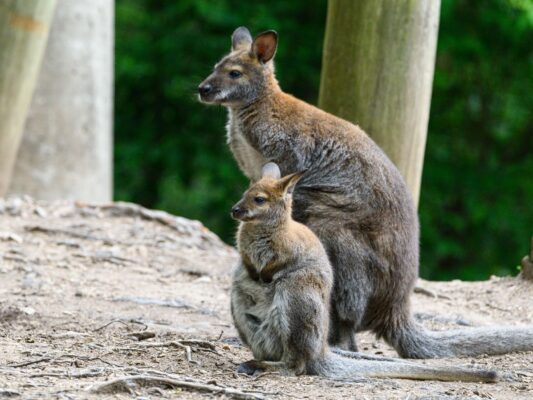
A red kangaroo can overlap three generations through embryonic diapause, prolonged pouch development and mammary glands that supply different milk to young of different ages.
Sep 5, 2026

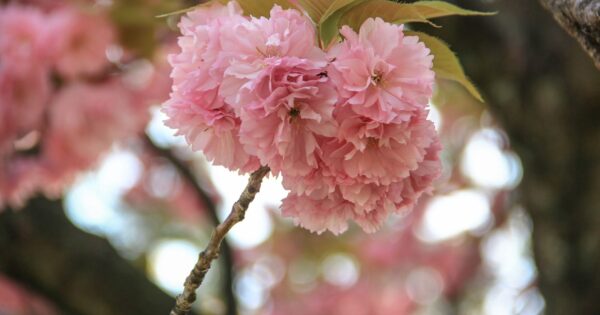
Twelve centuries of court diaries and monks' chronicles reveal that cherry blossoms are blooming earlier than ever—a cautionary tale written in petals.
Sep 5, 2026

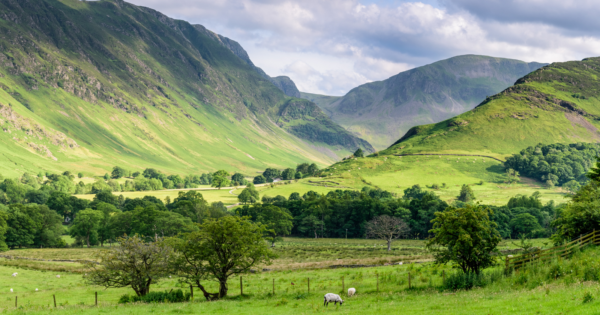
Beatrix Potter's real legacy wasn't whimsical illustrations—it was a radical act of conservation that locked her Lake District farms and their ancient sheep breed into perpetual protection.
Sep 4, 2026