
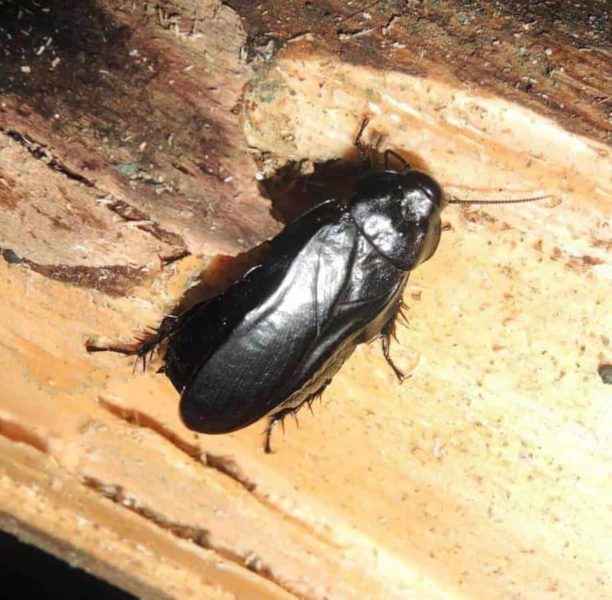
It may be easier and cheaper for parents to manage a key asthma trigger in children — exposure to cockroaches — than previously thought, according to a new Tulane University study published in The Journal of Allergy and Clinical Immunology.
Researchers found that simply using cockroach bait eliminated enough of the pests so that children with moderate to severe asthma had almost 50 fewer days with symptoms in a year.
“To our knowledge, this is the first study to assess whether insecticidal bait alone works to reduce cockroach exposure in homes with any subsequent benefit in asthma outcomes,” said lead study author Felicia Rabito, associate professor of epidemiology at Tulane University School of Public Health and Tropical Medicine. “Once cockroaches were eliminated, children with substantial asthma symptoms before the intervention had fewer symptom days, improved lung function and less health care use.”
Asthma sufferers can be highly sensitive to cockroach saliva, skin and droppings, but most experts recommend using a combination of control measures using insecticide, bait and other means to keep the insects in check. Since these can be too costly for low-income families, investigators wanted to see if a streamlined approach could work.
For a year, the study followed 102 mostly low-income families with children diagnosed with asthma. A little more than half of the homes were treated with cockroach bait. Technicians checked for roaches every two to three months, placing traps in the kitchen, living room and children’s bedrooms.
Three months into the study there was a noticeable difference in the number of bugs in houses with cockroach bait and homes compared to homes with no intervention. At 12 months, no homes treated with bait had a cockroach infestation compared to 22 percent of control homes that were not treated with insect bait.
Children in homes being treated had 47 fewer days with asthma symptoms over the course of a year; the number of unscheduled visits to a clinic or emergency room was also 17 percent lower in the intervention group.
ScienceBlog.com has no paywalls, no sponsored content, and no agenda beyond getting the science right. Every story here is written to inform, not to impress an advertiser or push a point of view.
Good science journalism takes time — reading the papers, checking the claims, finding researchers who can put findings in context. We do that work because we think it matters.
If you find this site useful, consider supporting it with a donation. Even a few dollars a month helps keep the coverage independent and free for everyone.