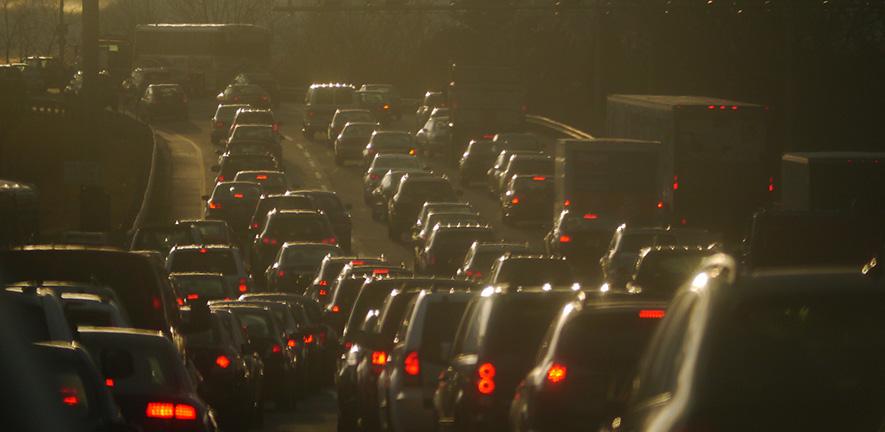
A sweeping new analysis of nearly 30 million people has confirmed a troubling link: long-term exposure to outdoor air pollution raises the risk of developing dementia.
The findings, published in The Lancet Planetary Health, highlight how pollutants from traffic exhaust, industry, and burning fuel may trigger processes in the brain that contribute to memory loss and cognitive decline. Scientists say reducing pollution could ease the global burden of dementia, a disease already affecting over 57 million people worldwide.
Three Pollutants That Raise Dementia Risk
Led by researchers at the University of Cambridge’s MRC Epidemiology Unit, the systematic review and meta-analysis pulled data from 51 studies across four continents, including over 29 million participants. They found statistically significant associations between dementia and long-term exposure to three specific pollutants:
- PM2.5: Fine particulate matter smaller than 2.5 microns, which comes from car exhaust, industrial emissions, and even fireplaces. A 10 μg/m³ increase in PM2.5 exposure was linked to a 17% increase in dementia risk.
- Nitrogen Dioxide (NO₂): Found in vehicle and industrial emissions, NO₂ exposure raised dementia risk by 3% for every 10 μg/m³ increase.
- Black Carbon (soot): A component of PM2.5 from incomplete combustion. Each 1 μg/m³ increase was associated with a 13% higher dementia risk.
In Central London in 2023, average roadside levels of PM2.5 and NO₂ were 10 μg/m³ and 33 μg/m³ respectively—enough to elevate dementia risk meaningfully under these findings.
How Dirty Air May Affect the Brain
What is it about polluted air that affects the brain? According to researchers, fine particles and gases can either enter the brain directly through the nose or pass from the lungs into the bloodstream. Once inside, they may spark inflammation and oxidative stress—two processes that damage brain cells and are known to contribute to dementia.
“Epidemiological evidence plays a crucial role in allowing us to determine whether or not air pollution increases the risk of dementia and by how much,” said senior author Dr. Haneen Khreis. “Tackling air pollution can deliver long-term health, social, climate, and economic benefits.”
Which Dementias Are Most Affected?
While the evidence was strongest for general dementia diagnoses, some pollutants appeared more closely linked to vascular dementia, a condition caused by reduced blood flow to the brain. However, differences between Alzheimer’s disease and vascular dementia weren’t statistically significant due to limited data.
The researchers emphasize that most dementia cases likely involve a mix of both Alzheimer’s and vascular contributions, underscoring the complex nature of diagnosis.
Biases and Gaps in the Data
The majority of studies included participants from high-income countries, primarily white populations. Yet people in marginalized communities often face higher pollution levels and may be more vulnerable to its effects. The researchers call for greater representation of low- and middle-income countries in future studies.
“Stricter limits for several pollutants are likely to be necessary,” said joint first author Clare Rogowski. “Given the extent of air pollution, there is an urgent need for regional, national, and international policy interventions to combat air pollution equitably.”
Policy, Planning, and Prevention
The study adds weight to the growing call for urban planners and public health officials to treat air pollution as a modifiable risk factor for dementia, alongside smoking, hypertension, and inactivity.
“These findings underscore the need for an interdisciplinary approach to dementia prevention,” said joint first author Dr. Christiaan Bredell. “Urban planning, transport policy, and environmental regulation all have a significant role to play.”
With dementia cases projected to nearly triple to 152.8 million by 2050, the study’s authors stress that protecting air quality may be one of the few tools currently available to slow this rising tide.
Reference
Best Rogowski, C.B., Bredell, C., et al. “Long-term Air Pollution Exposure and Incident Dementia: A Systematic Review and Meta-Analysis.” The Lancet Planetary Health, 24 July 2025. DOI: 10.1016/S2542-5196(25)00118-4