

Half of cannabis flower products sold in Colorado dispensaries carry inaccurate THC labels, with most overstating their psychoactive potency by significant margins.
A comprehensive audit of 277 products purchased across 52 dispensaries reveals a troubling pattern: while cannabis concentrates show remarkable labeling accuracy at 96%, traditional flower products fail to meet state standards 44% of the time.
The study, published in Scientific Reports and conducted by University of Colorado Boulder researchers, represents the first independent, blinded audit of legal cannabis market labeling. Its findings raise serious questions about consumer protection in the rapidly expanding cannabis industry, where accurate dosing can mean the difference between therapeutic relief and unwanted intoxication.
A Tale of Two Product Types
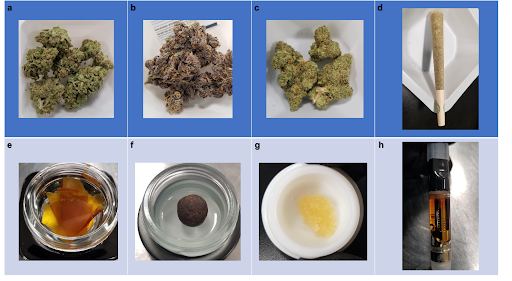
The research team employed a secret shopper strategy, purchasing products from dispensaries across 19 Colorado counties between November 2022 and October 2023. Each sample received only a number before blind testing by chemists who never saw the original labels—ensuring no bias could influence results.
The contrast between product categories proved stark. Cannabis concentrates, which averaged 71% THC content, demonstrated near-perfect labeling accuracy. Only four concentrate products out of 99 tested fell outside Colorado’s 15% accuracy threshold. Flower products told a different story entirely.
“When it comes to concentrates, I would say Colorado gets a good grade for labeling accuracy, but there are some real issues with flower,” observed Cinnamon Bidwell, associate professor of psychology and neuroscience at CU Boulder and the study’s senior author.
The Inflation Problem
Among the 77 inaccurately labeled flower products, 54 overstated their THC content while only 23 understated it. This inflation pattern suggests more than random testing errors—it points to systematic market pressures favoring higher reported potency numbers.
The average flower product contained about 21% THC, a dramatic increase from the 8% typical in 1980s marijuana. Yet labels consistently promised more than products delivered, with discrepancies averaging 5.19% for flower and 3.20% for concentrates.
These numbers matter because THC potency directly correlates with health risks. “THC content has increased significantly, and we know that greater THC exposure is likely associated with greater risks, including risk of cannabis use disorder and some mental health issues,” Bidwell explained.
Hidden Chemical Complexity
Beyond THC accuracy issues, the study uncovered significant gaps in required labeling information. Colorado law mandates that companies report CBD levels but ignores other potentially important compounds. The researchers discovered that cannabigerol (CBG) and cannabigerolic acid (CBGA)—compounds associated with anti-inflammatory and anti-anxiety properties—appeared more abundantly than CBD across all product categories.
This regulatory blind spot creates what Bidwell calls a problematic consumer environment: “Focusing on THC on the label can actually do a disservice for consumers, because it creates an environment in which people buy based solely on THC content. Our data suggests that multiple other cannabinoids should also be reported.”
The Science Behind the Numbers
The research methodology employed high-performance liquid chromatography (HPLC) analysis, considered the gold standard for cannabinoid measurement. Each sample underwent triplicate testing to ensure reliability, with flower products requiring additional homogenization steps that concentrates didn’t need.
This homogenization requirement may partly explain the accuracy differences. Plant material naturally varies in cannabinoid distribution, making consistent sampling more challenging than with concentrates, which undergo industrial homogenization during production. The research team discovered that 84% of products failed to report values for six minor cannabinoids despite their potential therapeutic importance.
Implications for Consumer Safety
The labeling discrepancies carry real-world consequences for medical patients titrating doses and recreational users expecting predictable effects. Overestimated potency could lead consumers to use more product than intended, while underestimated levels might result in insufficient therapeutic effects.
Key findings that should concern regulators include:
- 30.3% of flower products overstated THC content beyond acceptable limits
- 12.9% understated potency, potentially affecting medical dosing
- Minor cannabinoids with therapeutic potential go unreported despite abundance
- Current 15% tolerance may be too permissive for consumer protection
The study emerges as cannabis legalization spreads nationwide, with Colorado serving as a regulatory model for other states. The research was funded by Colorado’s Institute of Cannabis Research and required collaboration with MedPharm Research LLC, since federal restrictions prevent university scientists from directly handling legal cannabis.
“Cannabis use has complex and wide-ranging effects, and we are working hard to better understand them,” Bidwell emphasized. “While that research plays out, we should, at the very least, be providing accurate information about the amount of THC in these products.”
The findings suggest that rigorous, independent testing protocols may be necessary to protect consumers in legal cannabis markets, particularly as high-potency products continue gaining market share across the United States.