

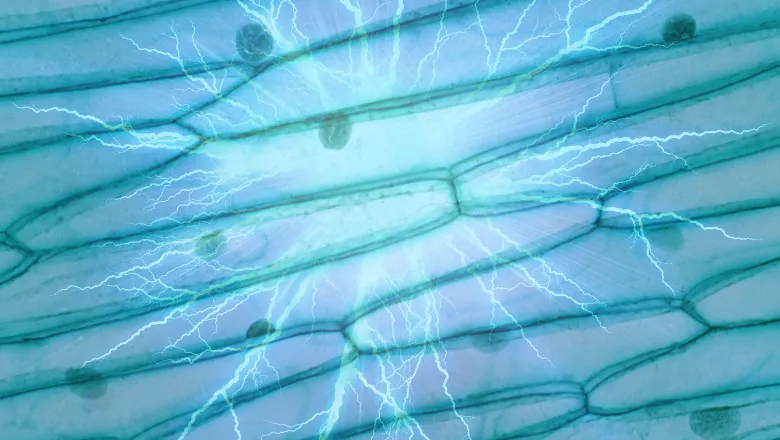
Scientists have discovered that the protective cell layers lining our organs operate like an electrical surveillance system, using lightning-like flashes to identify and eliminate their most energy-depleted neighbors. This cellular quality control mechanism, revealed in a new Nature study, could reshape our understanding of diseases from cancer to stroke.
The research team from King’s College London and the Francis Crick Institute uncovered this process while studying epithelial cells – the tightly packed cellular barriers that line every organ in the human body. These cells constantly turnover to maintain healthy protective layers, but researchers had long puzzled over which specific cells get selected for elimination in crowded tissues.
Using specialized microscopy, the scientists noticed something unexpected: brief, lightning-like electrical flashes around cells just before they were squeezed out and died. This electrical signature, they discovered, wasn’t random but represented a sophisticated energy-sensing mechanism that targets the cellular equivalent of the weakest links.
The Cellular Death Selection Process
The discovery centers on how crowded epithelial cells handle sodium influx through specialized channels called ENaC (epithelial sodium channels). When cells become packed together, these channels open like floodgates, allowing sodium ions to rush in and alter the cell’s electrical properties.
Healthy cells with adequate energy reserves can quickly pump out this excess sodium using molecular machines that consume significant amounts of cellular fuel – up to 25% of a cell’s total energy budget in epithelial tissues. However, cells running low on energy cannot keep up with this electrical maintenance.
“We see this sodium channel acting as a sensor, exposing cells with the least amount of energy and targeting those cells for death,” said lead author Dr. Saranne Mitchell from King’s College London.
When energy-deficient cells fail to restore their electrical balance, they trigger a cascade that causes water to exit the cell. This shrinkage – which the researchers termed “homeostatic early shrinkage” – amplifies the crowding pressure and ultimately leads to the cell being physically expelled from the tissue.
Implications for Disease and Treatment
The mechanism provides new insights into how metabolic disruptions might contribute to various diseases. The research suggests that overconsumption and excess calorie intake could potentially override this low-energy trigger, allowing defective cells to accumulate rather than being eliminated – a process that could contribute to cancer development.
Conversely, energy deprivation following strokes could trigger excessive cell elimination, leading to tissue damage. The team’s previous work had already identified connections between this cellular extrusion process and potential asthma treatments, highlighting the broad therapeutic relevance of understanding these fundamental cellular mechanisms.
“This new insight could suggest how overconsumption, through eating more and consuming more calories, might override this ‘low energy trigger’ for extrusion and prevent the elimination of defective cells, allowing them to accumulate into cancers,” explained co-author Professor Jody Rosenblatt.
The electrical quality control system represents a fundamental biological process that has remained consistent from simple sea sponges to humans, suggesting its critical importance for multicellular life. The discovery also reveals why certain genetic mutations affecting these electrical channels are associated with poor outcomes in various cancers and diseases like cystic fibrosis.
The research team used a combination of live-cell imaging, genetic manipulation, and pharmacological interventions to map out this electrical pathway. They found that the process requires specific voltage-gated potassium channels (Kv1.1 and Kv1.2) and chloride channels (SWELL1) to regulate the water loss that triggers cell elimination.
By identifying the earliest steps in this cellular death pathway, the work opens new avenues for understanding how tissues maintain their integrity and how this process might be therapeutically manipulated. The electrical nature of the mechanism also suggests potential connections to other biological processes where cellular electrical properties play crucial roles.
The study represents a significant advance in cell biology, revealing that what appears to be random cell death is actually a highly regulated process that maintains tissue health through electrical surveillance. This cellular electricity, while different from the better-known electrical activity in neurons, proves equally important for maintaining the barriers that protect our organs from disease and damage.