

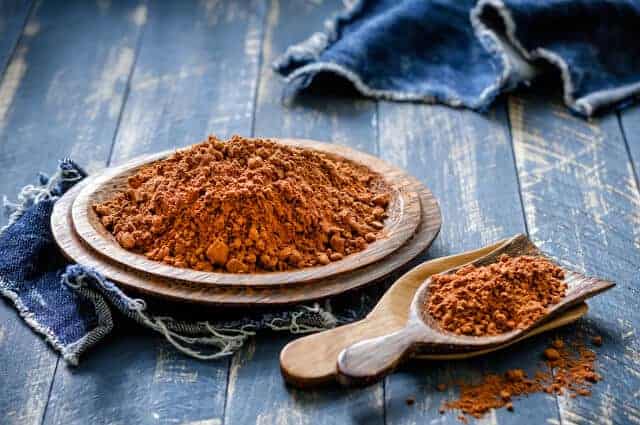
Could a mug of cocoa be your best defense against the dangers of desk work? A new study from the University of Birmingham finds that consuming flavanol-rich cocoa can prevent temporary blood vessel dysfunction that occurs after prolonged sitting, even in fit young men.
Modern life keeps us seated for long stretches, and that immobility takes a toll on our arteries. Just two hours of uninterrupted sitting can reduce blood vessel elasticity, a condition linked to higher risks of heart attack and stroke. The research, published in The Journal of Physiology, tested whether dietary flavanols—plant compounds found in cocoa, tea, and berries—could blunt this decline.
How Cocoa Countered Vascular Strain
Forty healthy young men participated in the randomized, double-blind study. Each drank either a high-flavanol cocoa beverage (containing 695 mg of total flavanols) or a low-flavanol version (just 5.6 mg) before sitting for two hours. Researchers then measured flow-mediated dilatation (FMD), a noninvasive test of blood vessel flexibility, in both the arm and leg arteries.
The results were striking. Participants who drank the low-flavanol cocoa showed clear drops in vascular function in both limbs. In contrast, those who consumed the high-flavanol cocoa showed no decline at all. The protective effect was seen in both high- and low-fitness participants, suggesting that physical fitness alone does not shield arteries from the effects of sitting.
“Our experiment indicates that higher fitness levels do not prevent the temporary impairment of vascular function induced by sitting when only drinking low-flavanol cocoa,” said co-author Dr Sam Lucas. “Importantly, after the high-flavanol drink, both fitter and less-fit participants kept their FMD the same as it was before sitting for two hours.”
That outcome highlights how nutrition can act as a targeted countermeasure against sedentary behavior—a concept that could have implications far beyond this laboratory test.
Simple Diet Shift, Measurable Benefit
While the idea of drinking chocolate as heart protection may sound indulgent, the science is clear about what matters most: the flavanols. These polyphenols, particularly (−)-epicatechin, are known to increase nitric oxide availability in the endothelium, helping arteries relax and maintain healthy blood flow.
The study also found that cardiorespiratory fitness did not change how flavanols worked. Both fit and less-fit participants experienced the same benefit, meaning that anyone could potentially use flavanol-rich foods to reduce vascular strain during long sedentary periods.
Lead author Dr Catarina Rendeiro noted that the intervention could be easily applied to everyday life. She recommended looking for natural or minimally processed cocoa products rather than heavily alkalized versions, which destroy flavanols. For those less fond of cocoa, other options include apples, plums, berries, and both green and black tea.
“Given how common sedentary lifestyles have become and the increased risk this can have to vascular health, using flavanol-rich food and drink, especially in combination with breaking up periods of inactivity by going for a short walk or standing up, could be a good way to enhance long-term health,” said Dr Rendeiro.
As the researchers point out, it takes only a modest effort to reap the benefits. One daily serving of high-flavanol cocoa or similar foods might help preserve endothelial function and protect against the vascular stress that accumulates when we spend too long in our chairs. While movement remains the gold standard for circulation, this study adds a comforting twist: sometimes, prevention can taste as simple as a warm cup of cocoa.