

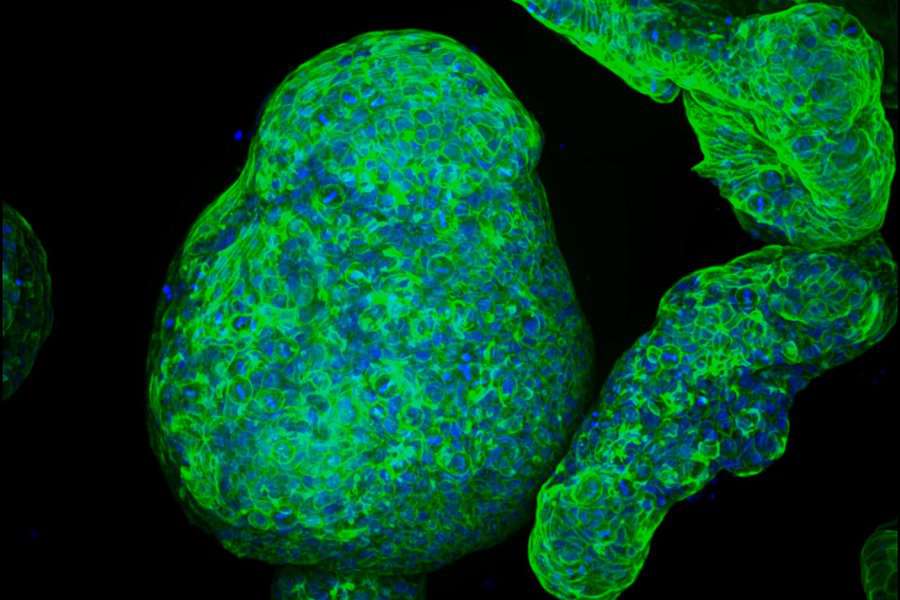
Pancreatic cancer kills quietly. By the time symptoms appear, the disease has usually spread beyond surgical reach. Researchers at Tokyo University of Science have now identified a gene whose early disappearance helps explain why some tumors turn lethal so fast.
The gene, CTDNEP1, shows significantly reduced activity even in stage I tumors. That’s unusual. Most pancreatic cancer biomarkers emerge late, when treatment options narrow. CTDNEP1 levels drop at the start.
The team analyzed data from 184 patients with pancreatic ductal adenocarcinoma, the most common and lethal form of the disease. Low CTDNEP1 expression correlated strongly with mutations in KRAS, TP53, CDKN2A, and SMAD4. These genes typically drive pancreatic cancer’s aggressive behavior.
Survival drops when the brake fails
Patients with low CTDNEP1 levels had significantly worse survival rates. Especially in stage II disease. The gene functions as a tumor suppressor, a molecular brake on cell growth. When it fails early, cancer accelerates.
Those whose tumors retained normal CTDNEP1 activity survived longer. Those who’d lost it faced darker outcomes even when diagnosed at the same stage.
“PDAC is one of the most difficult cancers to treat and has a very high mortality rate,” says Tadayoshi Hayata, professor of molecular pharmacology who led the study. “Our research points to CTDNEP1 as a possible tumor-suppressing gene that could help slow the cancer.”
Hayata’s interest is personal. He’s lost acquaintances to pancreatic cancer at young ages. In Japan, more than 40,000 people die from it annually.
How tumors hide
CTDNEP1 also shapes the tumor microenvironment, the ecosystem surrounding cancer cells. When levels drop, tumors generate chronic inflammation that shields them from immune attack.
Tumors with low CTDNEP1 had fewer infiltrating immune cells. Those with higher levels showed robust mitochondrial activity and more CD4+ T cells, macrophages, neutrophils, and dendritic cells. When the gene works, the body can see the tumor and respond. When it doesn’t, cancer remodels its surroundings into a hiding place.
The findings suggest CTDNEP1 could eventually guide earlier detection or immunotherapy strategies. The team is running lab studies to see how manipulating the gene affects cancer behavior and immune response. Clinical applications remain years away, but the work reframes pancreatic cancer as a disease where early molecular losses determine survival.