

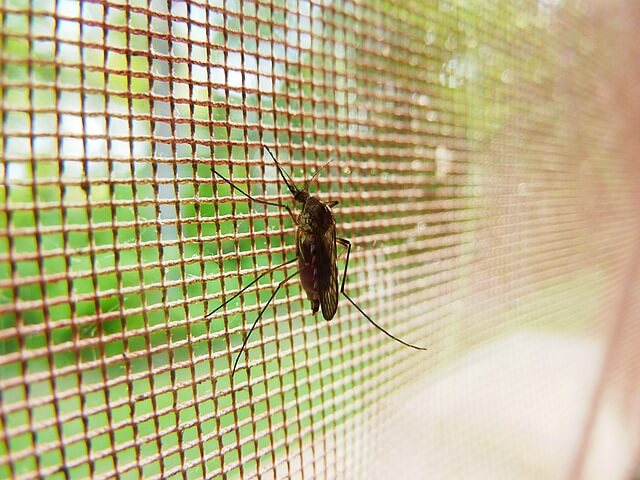
Researchers combing the diverse landscapes of Crete have discovered bacterial strains that kill mosquito larvae with startling efficiency and some achieving 100% mortality within just 24 hours in laboratory tests.
The findings, published this week in Applied and Environmental Microbiology, could pave the way for new biological weapons against mosquitoes that transmit deadly diseases like West Nile virus and Rift Valley fever.
The discovery comes at a critical time. Mosquito-borne diseases kill more than 700,000 people annually worldwide, according to the World Health Organization, yet most mosquito species have developed resistance to all major classes of synthetic insecticides. Many of these chemical compounds also pose environmental and health risks, leading to increased regulatory restrictions.
“They degrade more quickly in the environment and therefore don’t accumulate, and they often don’t kill such a wide range of different insect species as chemical insecticides,” said George Dimopoulos, a molecular entomologist and microbiologist at Johns Hopkins University who co-led the study with molecular biologist John Vontas at the Institute of Molecular Biology and Biotechnology in Crete.
A Microscopic Treasure Hunt
The research team collected 186 samples from 65 locations across Crete, targeting environments known to harbor microbes with insecticidal properties. They sampled everything from topsoil and plant roots to water sources and dead insects, ultimately isolating 1,663 distinct bacterial colonies for their comprehensive library.
Of the 788 bacterial isolates screened against Culex pipiens molestus mosquito larvae—a species capable of transmitting human pathogens—more than 100 demonstrated lethal effects within seven days. But the real surprises emerged from the 37 fastest-acting strains, which represented 20 different bacterial genera, many never before recognized as potential biopesticides.
Three isolates stood out for their rapid-fire killing ability. Extracts containing metabolites produced by these bacteria—including strains of Chryseobacterium and Pseudomonas—eliminated all mosquito larvae within 24 hours of exposure. The metabolites continued working even after the bacteria themselves were killed, suggesting the compounds could be developed into stable formulations that don’t require living microorganisms.
Nature’s Chemical Arsenal
The research revealed important clues about how these bacterial assassins operate. Rather than infecting and killing larvae through disease, the bacteria produce specific compounds—proteins and metabolites—that prove lethal to mosquitoes. Most of the active compounds were non-polar molecules that bacteria secreted into their surrounding environment.
Key findings from the study include:
- More than 13% of tested bacterial isolates showed insecticidal properties
- 37 strains killed all larvae within three days
- Three isolates achieved 100% mortality within 48 hours
- The bacteria worked through chemical compounds, not infection
- Many effective strains came from plant root zones and internal plant tissues
Dimopoulos noted the strategic importance of focusing on plant-associated bacteria. Plants actively recruit helpful microbes when under insect attack, making the rhizosphere—the soil around plant roots—a particularly rich hunting ground for naturally occurring pest control agents.
From Lab Bench to Real World
While the laboratory results show promise, significant challenges remain before these bacterial compounds could become practical mosquito control tools. Biopesticides often degrade quickly in the environment and require multiple applications, Dimopoulos explained. Finding the right formulation and delivery method will be crucial for future development.
“It’s now entering the basic science phase to understand the molecules’ chemical structures and modes of action, and then we’ll shift to a more applied path, really aiming at prototype product development,” he said. “There is a major push toward developing ecologically friendly insecticides.”
The research team has begun detailed chemical analysis of the lethal molecules and is mapping their effectiveness against other disease-carrying mosquito species and agricultural pests. The work represents part of the European Union-funded MicroBioPest project, which seeks sustainable alternatives to synthetic pesticides.
For regions where mosquito-borne diseases pose constant threats, these Greek bacteria could eventually offer a more environmentally friendly approach to vector control—one that works with nature’s own pest management strategies rather than against them.