

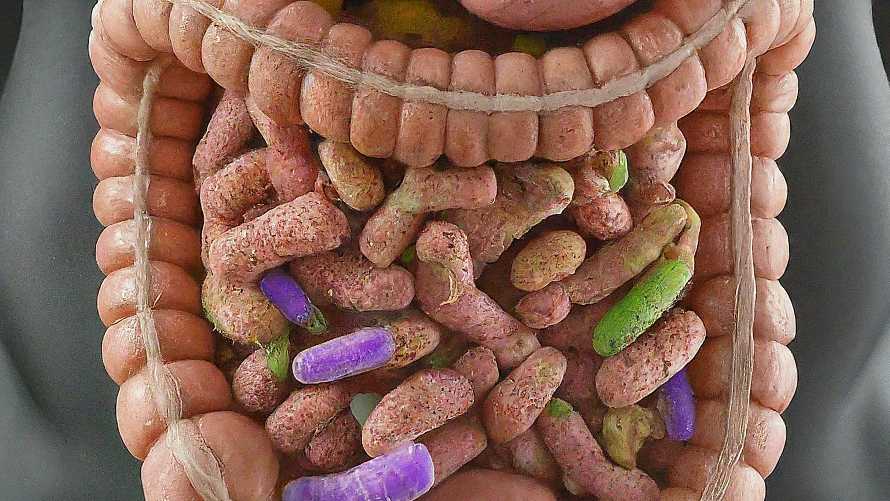
Inside every person lives a vast community of microbes that quietly influences how we think, feel, and respond to the world. The University of South Australia’s new review argues this microbial network, known as the gut microbiome, may be far more than a digestive companion, it could be a key to understanding mental health.
Nearly one in seven people live with a mental health disorder, yet access to effective care remains limited. Researchers are now turning to the trillions of bacteria within the human gut to explain why some treatments fail and others succeed. The study, published in Nature Mental Health, presents the most comprehensive evidence yet that the gut and brain maintain a chemical conversation that can alter mood, cognition, and stress response.
The Brain Below the Belt
Lead author Srinivas Kamath calls this link one of the most promising frontiers in psychiatry. In the study, his team found strong causal evidence that gut microbes can alter brain chemistry, stress hormones, and behavior in animal models. People with depression and schizophrenia showed disrupted microbial patterns, while early clinical trials of probiotics, diet changes, and fecal microbiota transplants improved symptoms of anxiety and mood disorders.
“The gut-brain connection is one of the most exciting frontiers in mental health research,” Kamath says. “Trillions of microbes in our digestive system talk to the brain through chemical and neural pathways, shaping mood, stress, and cognition.”
Under a microscope, the gut is less a simple tube and more an ecosystem—a teeming coral reef of microbes sending chemical signals along the vagus nerve and bloodstream. They produce neurotransmitters like serotonin and dopamine, influence inflammation, and even regulate appetite. When this microbial harmony breaks down, the mind may suffer too.
The researchers emphasize that while animal studies show compelling mechanisms, human evidence remains mixed. Cross-sectional studies rarely prove cause and effect, and psychiatric drugs themselves can shift microbial populations. Still, mounting evidence hints that adjusting gut bacteria could reshape how the brain functions, offering new hope for treatment-resistant depression and anxiety.
Diet, Probiotics, and the Promise of Microbial Medicine
Co-author Paul Joyce says the gut may soon become a new therapeutic target. Diets high in fiber and fermented foods, probiotic supplements, and even microbial transplants have shown small but consistent benefits in mental health trials. The team urges researchers to move beyond short-term experiments and conduct long-term studies tracking how microbiomes evolve alongside mental health outcomes.
“If we can prove that gut bacteria play a direct role in mental illness, it could transform how we diagnose, treat, and even prevent these conditions,” says Joyce. “Microbiome-based therapies may offer safer, low-cost options that complement existing care.”
That vision extends to prevention. By understanding how diet, stress, and environment shape gut bacteria, public health could adopt microbiome-friendly policies—encouraging foods that feed beneficial microbes and limiting those that disrupt them. The potential impact is especially significant for regions with limited access to psychiatric care, where microbial therapies could offer affordable alternatives.
The review also calls for more inclusive studies that capture global diversity. Most microbiome data come from Western populations, ignoring how cultural diets and environmental exposures shape microbial ecosystems. Without this perspective, therapies risk being effective only for the populations that first discovered them.
The researchers conclude that mental health cannot be separated from the rest of the body. As Kamath puts it, the brain may depend as much on what lives in our gut as on the neurons inside our skulls. Future psychiatry, he suggests, might rely as much on fermented foods and fiber as it does on pharmaceuticals.
It is a humbling idea: that the next generation of antidepressants might already be living inside us, quietly waiting for science to learn how to listen.