

Imagine the difference between a traditional meal of earthy, fibrous cassava and the bright orange dust and sharp crunch of modern processed corn snacks.
While these foods might seem like they only affect your waistline, they are actually fueling a silent genetic revolution deep inside your digestive system. Our bodies host a vast world of bacteria that must constantly adapt to what we eat, and a new study reveals that this evolution is happening faster than we ever realized.
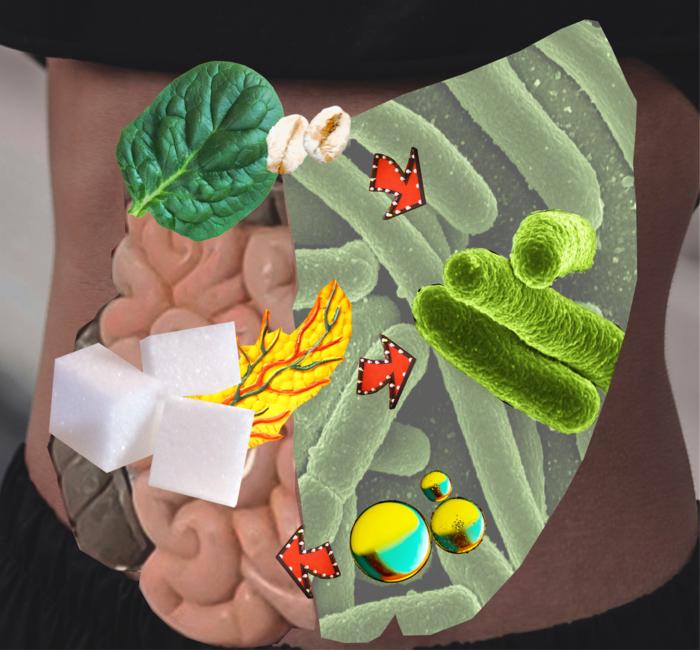
A team of evolutionary biologists from UCLA has discovered that gut microbes are evolving at breakneck speed to digest synthetic starches found in ultra processed foods. According to the research published in the journal Nature, specific gene variants that help bacteria break down industrial additives have swept through the populations of microbes in industrialized countries. Because many of these starches have only been around for a few decades, the scientists believe that natural selection is working with extreme intensity to make these genes dominant in our modern guts.
To uncover these changes, researchers Richard Wolff and Nandita Garud developed a new mathematical tool called the integrated linkage disequilibrium score, or iLDS. This statistic allows scientists to scan the DNA of gut bacteria to find evidence of selective sweeps. These sweeps occur when a beneficial gene becomes so useful that it spreads rapidly across an entire population. The team applied this tool to 30 of the most common gut species across 24 human populations worldwide, identifying more than 300 instances of this rapid evolution.
A Hidden Thread of Evolution
The study found that the primary mechanism for this rapid change is horizontal gene transfer. This is a process where bacteria don’t just pass genes to their offspring, but actually swap DNA fragments with other nearby strains. It’s the same shortcut that allows bacteria to develop antibiotic resistance so quickly. In the gut, this genetic swapping allows helpful traits to travel between different strains of the same species, even if those strains are separated by the immense diversity of individual human hosts.
One of the most striking findings involved a gene locus known as mdxEF. These genes act like specialized machinery for transporting and metabolizing maltodextrin, a synthetic starch made from corn that has been a staple of processed foods since the 1960s. The researchers found that this gene is currently sweeping through the gut bacteria of people in industrialized nations, but it is conspicuously absent in those from non industrialized regions. This suggests that the bacteria in our guts are actively specializing to survive on the specific chemicals found in a modern diet.
Richard Wolff, the first author of the study, noted that the jump from traditional diets to modern snacking habits creates a massive shift for our internal inhabitants. He highlighted the scale of this change when explaining how bacteria must adapt to different starch sources across the globe.
“There are a lot of steps in between eating a diet full of cassava and breadfruit and a diet full of Hot Cheetos or something like that.” – Richard Wolff, doctoral student and paper first author
Industrialization’s Invisible Impact
The researchers discovered that the gut microbiomes of people in industrialized populations are much more similar in their evolutionary targets than those in non industrialized areas. Industrialized populations shared these genetic sweeps at more than double the frequency of their counterparts in developing regions. This suggests that the globalized food system is acting as a massive, uniform selection pressure, pushing the bacteria in millions of different people toward the same evolutionary solutions.
While the study clearly links these genetic changes to diet, it also raises new questions about how these DNA fragments move between people. Bacteria usually stay faithful to their human hosts for many years, yet these adaptive genes are spreading across entire continents. The discovery that our internal microbes are evolving so quickly suggests that what we eat might be steering the future of our microbiome in ways we are only beginning to understand. For now, it’s clear that the invisible residents of our gut are working hard to keep up with the changing menu of the modern world.