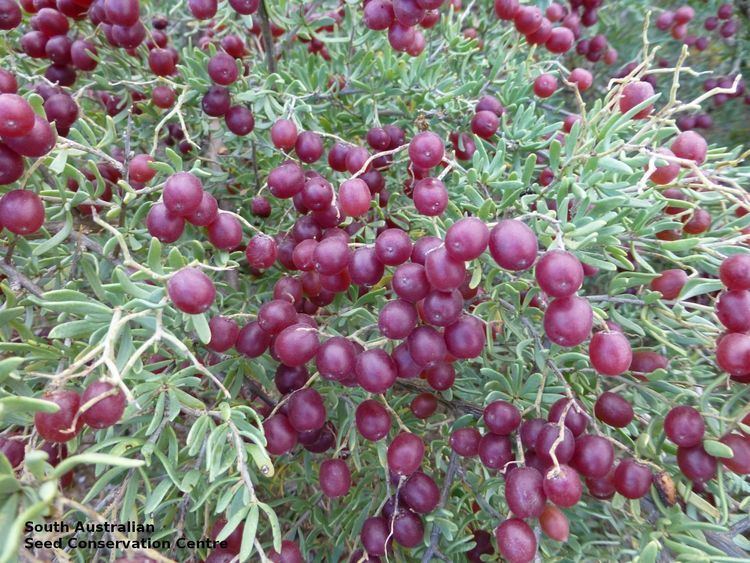
Ancient Desert Berry Shows Rare Power to Reverse Diabetes in Mice

A crimson berry long prized by nomads in western China is offering new hope in the fight against type 2 diabetes. Scientists have shown that a natural extract from the fruit of Nitraria roborowskii Kom—known locally as the “desert cherry”—can dramatically reduce blood sugar, restore insulin sensitivity, and protect organs in diabetic mice.

The study, published in the Chinese Journal of Modern Applied Pharmacy, provides compelling evidence that the extract, called NRK-C, may one day offer a plant-based alternative or complement to conventional diabetes drugs.

Plant Extract Achieves Multi-System Reset

Over seven weeks of treatment, diabetic mice receiving NRK-C saw their fasting blood glucose drop by 30–40%. Insulin sensitivity improved by about 50% compared to untreated diabetic controls. And unlike most single-target drugs, NRK-C improved cholesterol profiles, reduced oxidative stress markers by up to 60%, and preserved liver and pancreas tissue.

“These results are exciting because they suggest we might be able to treat diabetes more holistically,” said Dr. Yue Huilan, senior researcher on the study. “Instead of just lowering blood sugar like most medications, this plant extract appears to help the body regain its natural metabolic balance.”

How the Desert Berry Works

At the cellular level, the team discovered that NRK-C reactivates the PI3K/AKT pathway—a central insulin-signaling circuit that becomes impaired in diabetes. This restored activity appeared to reboot glucose uptake and improve liver function.

Histological analysis supported these results. Diabetic mice not treated with NRK-C showed swollen livers, disorganized cell structure, and severe inflammation. In contrast, mice given NRK-C showed near-normal liver and pancreas tissue, with restored glycogen storage in liver cells.

Key Findings

  • NRK-C reduced fasting blood glucose by up to 40%
  • Insulin sensitivity improved 50% in treated mice
  • Lipid profiles normalized: lower LDL, higher HDL
  • Oxidative stress markers dropped by up to 60%
  • PI3K/AKT/GSK-3β signaling was significantly reactivated
  • Liver and pancreatic damage was visually reversed

Built on Traditional Knowledge

The red berries of Nitraria roborowskii have long been used in folk medicine and consumed as food in western China’s arid regions, including Xinjiang, Qinghai, and Tibet. While a closely related species was known to reduce blood lipids, this is the first systematic study linking the desert cherry to improvements in insulin resistance.

The team used modern network pharmacology to map the extract’s targets. Fifteen plant compounds—including quercetin, kaempferol, and isorhamnetin derivatives—were linked to over 130 diabetes-related genes, with the PI3K/AKT pathway emerging as a critical hub.

Implications for Diabetes Treatment

The study comes as diabetes cases surge worldwide, projected to affect 750 million people by 2045. Current medications can help manage blood sugar but often come with side effects, drug tolerance, or limited impact on insulin resistance.

By contrast, NRK-C appears to act through a coordinated metabolic reset, offering advantages over drugs that only address one part of the disease. While human trials are still needed, researchers believe the extract’s wide-ranging effects could make it valuable for both treatment and prevention.

“The findings bridge traditional plant use with cutting-edge metabolic science,” the authors wrote. “They also suggest the desert cherry has untapped potential in functional food, nutraceutical, or pharmaceutical development.”

What’s Next?

Future studies will explore NRK-C’s preventive potential in high-risk individuals and its ability to reduce complications in long-term diabetes. The extract’s multi-target action may also prove useful in metabolic syndrome or fatty liver disease.

Beyond the science, this work highlights the value of preserving traditional botanical knowledge—and the surprising power that can lie within a berry tough enough to thrive in the desert.

Journal Reference

Journal: Chinese Journal of Modern Applied Pharmacy (April 2025)
DOI: 10.13748/j.cnki.issn1007-7693.20240613


Discover more from SciChi

Subscribe to get the latest posts sent to your email.

Leave a Comment