

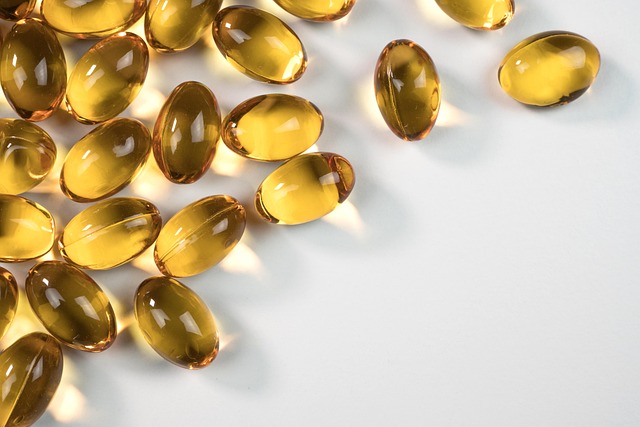
A new study suggests that a nanoemulsion form of vitamin D3 may offer measurable improvements in language abilities, social IQ, and autism severity in children with autism spectrum disorder (ASD).
In a six-month clinical trial, children who received vitamin D3 encapsulated in tiny, oil-based droplets showed greater behavioral and developmental gains than those who took standard vitamin D3 supplements. The results, published in LabMed Discovery, could open the door to more effective, bioavailable therapies targeting the core challenges of autism.
Why vitamin D3 matters in autism
Vitamin D3, or cholecalciferol, plays critical roles in brain development, including protecting neurons, regulating inflammation, and supporting memory and language processing. Prior studies have found that children with ASD often have low levels of vitamin D3, due in part to picky eating, gastrointestinal issues, or impaired absorption. But traditional supplements haven’t always improved core autism traits like language delay or adaptive behavior.
That may change with a little help from nanotechnology.
What the study tested
The researchers, based in Egypt, enrolled 80 children with ASD between the ages of 3 and 6. They split them into two groups:
- Group I received a vitamin D3-loaded nanoemulsion (1,400 IU daily)
- Group II received the same dose using a standard commercial vitamin D3 product
After six months, researchers compared blood levels of vitamin D3, autism severity using the Childhood Autism Rating Scale (CARS), social IQ, and language age scores.
Key findings
Only the nanoemulsion group (Group I) showed statistically significant improvements in multiple domains:
- 25(OH) and 1,25(OH)2 vitamin D3 levels: Both increased more in Group I than in Group II (P < 0.0001)
- Autism severity (CARS scores): Group I saw a significant reduction (P = 0.0002); no change in Group II
- Social IQ: Group I improved from 55.0 to 63.2 (P = 0.04); Group II showed no gain
- Total language age: Group I advanced nearly one year on average (P = 0.0009); Group II showed no significant change
These differences were not just statistically significant, but also clinically meaningful. Parents of children in Group I reported better sleep, fine motor coordination, attention, and expressive language.
Why the nanoemulsion worked better
According to the authors, the nanoemulsion formula improved vitamin D3 bioavailability by allowing better absorption across the gut lining and into the bloodstream. Unlike traditional supplements that may be poorly absorbed or metabolized in the liver, the nano-sized droplets helped deliver vitamin D3 directly into circulation and possibly across the blood-brain barrier.
This targeted delivery may enhance the vitamin’s impact on neurons, glial cells, and brain regions tied to language, memory, and sensory processing.
Broader implications and limitations
Vitamin D3 is now considered a neurosteroid with wide-ranging effects on mood, immunity, and neurotransmission. Its role in autism is still being unraveled, but this study adds new weight to the idea that optimizing delivery—not just dosage—can make a difference.
Still, the authors note some limitations. The study did not explore sex-based differences in outcomes and included children with varying degrees of language delay. The sample was limited to a specific age range (3 to 6 years), and long-term effects remain unknown.
What’s next?
This is the first study to test a vitamin D3 nanoemulsion in children with autism. It suggests that nanotechnology could offer a better way to deliver critical nutrients to children with absorption challenges or neurological conditions. Further research in larger, diverse populations will be needed to confirm the results and explore how this formulation might benefit other developmental or psychiatric conditions.
If confirmed, these findings could change how clinicians approach nutritional therapy for ASD—shifting the focus from just giving more to delivering smarter.
Journal Reference
LabMed Discovery, DOI: 10.1016/j.lmd.2025.100071