Vitamin D3 Nanoemulsion Improved Autism Symptoms in Children

vitamin d capsules

A new study suggests that a nanoemulsion form of vitamin D3 may offer measurable improvements in language abilities, social IQ, and autism severity in children with autism spectrum disorder (ASD). In a six-month clinical trial, children who received vitamin D3 encapsulated in tiny, oil-based droplets showed greater behavioral and developmental gains than those who took … Read more

Ancient Desert Berry Shows Rare Power to Reverse Diabetes in Mice

Nitraria roborowskii Kom

A crimson berry long prized by nomads in western China is offering new hope in the fight against type 2 diabetes. Scientists have shown that a natural extract from the fruit of Nitraria roborowskii Kom—known locally as the “desert cherry”—can dramatically reduce blood sugar, restore insulin sensitivity, and protect organs in diabetic mice. The study, … Read more

Back and Chest Acne Needs Different Treatment Than Face

a man's chest and abdomen

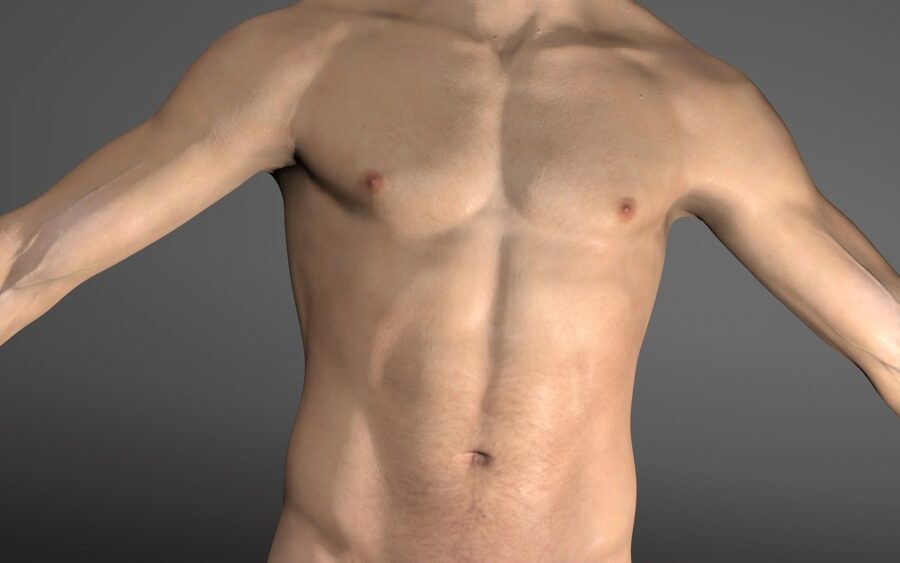
Nearly half of adults with facial acne also develop breakouts on their chest and back, yet most treatments ignore crucial differences between these body regions. New research reveals that truncal acne—affecting the torso—operates through distinct mechanisms that require tailored therapeutic approaches. The comprehensive analysis, published in the Journal of Dermatologic Science and Cosmetic Technology, challenges … Read more

Wheatgrass Compounds Beat Vitamin C as Antioxidants

wheatgrass in dew

Young wheat shoots contain flavonoid compounds that outperform vitamin C in fighting cellular damage—and these antioxidants can actually extend lifespan in laboratory animals. Chinese researchers who screened 228 modern wheat cultivars discovered that two specific wheatgrass flavonoids, isoorientin and luteolin, demonstrated twice the antioxidant power of vitamin C in laboratory tests. Even more striking: wheatgrass … Read more

Fence-Like Surgical Technique Tackles Giant Nerve Tumors

beach fence

Surgeons at Shanghai Jiao Tong University have developed a technique that creates a “fence” of sutures around massive nerve tumors before removal, dramatically improving safety for patients with plexiform neurofibromas that can grow larger than footballs. The FENCY ligation method, combined with preoperative blood vessel blocking, has shown promising results in 11 patients with giant … Read more

Dangerous Viruses Related to Deadly Nipah Found in Chinese Bats

Bats in orchard

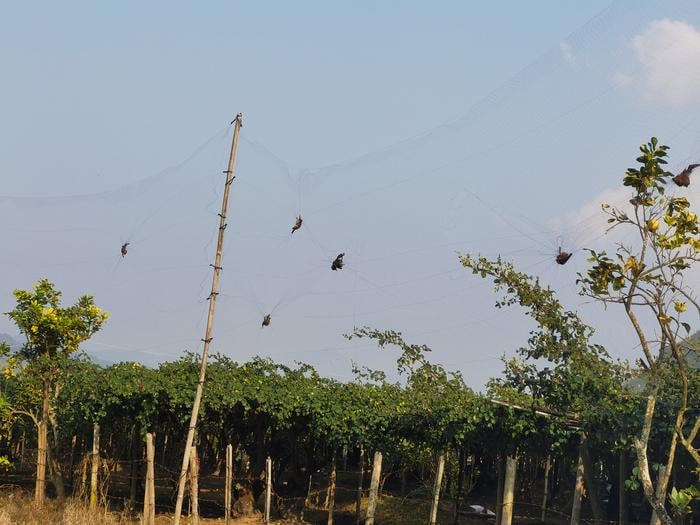
Scientists have discovered two viruses closely related to the lethal Nipah and Hendra viruses lurking in bat kidneys near villages in China’s Yunnan province. The findings raise urgent concerns about potential spillover to humans through contaminated fruit, as these bats inhabit orchards where they could spread the pathogens through urine. The comprehensive study, published in … Read more

Brain Chips Read Minds at 78 Words Per Minute

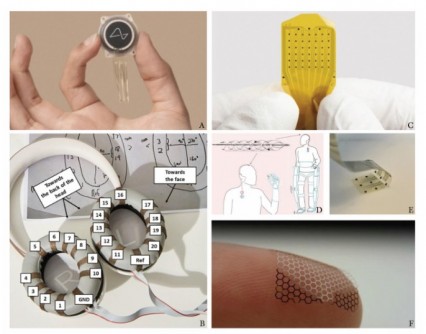
Showcases cutting-edge products in the field of brain-computer interface (BCI): A: coin-sized chip; B: BCI-enhanced headset; C: electrode encapsulation film; D: endovascular stent electrode; E: graphene-based neural chip; F: mesh Lace data acquisition array.

A paralyzed stroke patient thinks about speaking, and words appear on a screen at 78 words per minute—faster than most people type on their phones. This isn’t science fiction. It’s the current reality of brain-computer interfaces, technologies that are quietly revolutionizing medicine while raising profound questions about the future of human consciousness itself. A comprehensive … Read more

Scientists Turn Immune Cells Into Light-Controlled Robots

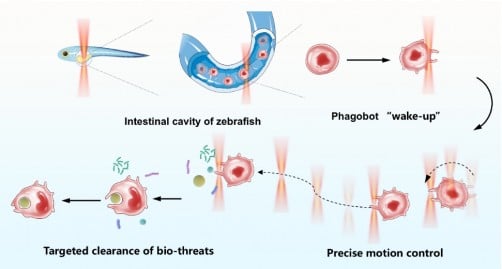
The phagobot’s “wake-up” program is triggered by localized optothermal stimulation of a resting macrophage using near-infrared (NIR) micro-irradiation. Once activated, the phagobot’s movement can be precisely guided through optical control of the macrophage’s extended filopodia. It can then be directed to carry out immune clearance tasks by phagocytosing a range of bio-threats of varying sizes, both in vitro and in vivo, within a living zebrafish.

Chinese researchers have developed a new type of microrobot that transforms ordinary immune cells into precision-guided warriors using nothing more than focused light beams. The “phagobots”—macrophage cells that can be awakened and steered with near-infrared laser light—represent a major advance in biomedical robotics by combining the natural power of immune cells with robotic controllability. Published … Read more

Tire Chemicals Found to Cause Liver Damage and Brain Toxicity

Pile up old tires

A common chemical used in tires and its breakdown product accumulate in different organs and disrupt vital metabolic processes, according to new research that raises concerns about their environmental impact. The study reveals that even at concentrations typically found in urban runoff, these compounds can cause significant liver damage and behavioral changes in fish over … Read more