Skip to content
ScienceBlog.com
  • Featured Blogs
    • EU Horizon Blog
    • ESA Tracker
    • Experimental Frontiers
    • Josh Mitteldorf’s Aging Matters
    • Dr. Lu Zhang’s Gondwanaland
    • NeuroEdge
    • NIAAA
    • SciChi
    • The Poetry of Science
    • Wild Science
  • Topics
    • Brain & Behavior
    • Earth, Energy & Environment
    • Health
    • Life & Non-humans
    • Physics & Mathematics
    • Social Sciences
    • Space
    • Technology
  • Our Substack
  • Follow Us!
    • Bluesky
    • Threads
    • FaceBook
    • Google News
    • Twitter/X
  • Contribute/Contact

biodiversity

Ohio State logo

Slash-and-burn agriculture can increase forest biodiversity

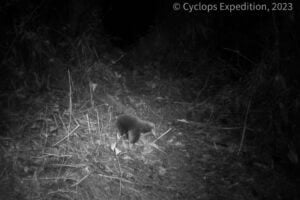
Attenborough's long-beaked echidna, photographed by a camera trap. Credit: Expedition Cyclops.

Found at last: Bizarre, egg-laying mammal finally rediscovered after 60 years

Burned fire truck in Detroit, Oregon, 2020.

Climate report: ‘Uncharted territory’ imperils life on Earth

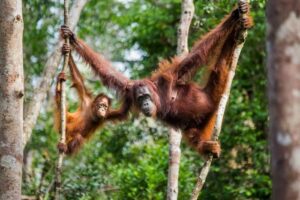
Orangutan

Killing remains a threat to Bornean orangutans

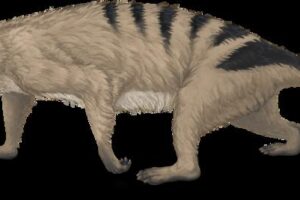
Life reconstruction of the ancient mammal relative Thrinaxodon from the Triassic Period of Earth history. Similar in size and shape to a modern mink, Thrinaxodon is close to the inferred size of the ancestor of the group of ancient mammal relatives called cynodonts, and it shared that ancestor’s likely preference for animal food. Image by April Neander.

Survival of the newest: the mammals that survive mass extinctions aren’t as “boring” as scientists thought


Shining a light on tiny, solar-powered animals

Shining a light on tiny, solar-powered animals

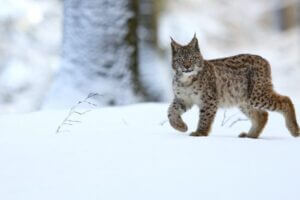
Lynxes and vultures offer insights for European wildlife conservation

Forest CREDIT Jesús Aguirre Gutiérrez

Carbon-capture tree plantations threaten tropical biodiversity for little gain, ecologists say

Electric blue tarantula close up.

New electric blue tarantula species discovered in Thailand

Ohio State logo

Ohio State leads new global climate center on AI for biodiversity change

Dissected ant and where you can see the encapsulated parasites (white oval structures) spilling out of the hind body. Photo: Brian Lund Fredensborg

Brain-altering parasite turns ants into zombies at dawn and dusk

Bee flying mid-air

Pollination by more than one bee species improves cherry harvest

A striking male Royal Flycatcher flaunts its vibrant red and blue crest. This captivating species exemplifies the diverse and unique birdlife of Costa Rica, underscoring the importance of preserving habitats to support such biodiversity. (Image credit: Nick Hendershot)

Farms that create habitat key to food security and biodiversity

Tractor tilling a field with spoil overturned

Can soil microbes survive in a changing climate?

Older posts
Newer posts
← Previous Page1 … Page3 Page4 Page5 … Page7 Next →
Substack subscription form sign up

Comments

  • Marie Feret on The Silent Frequency That Makes Old Buildings Feel Haunted
  • Dax on The Silent Frequency That Makes Old Buildings Feel Haunted
  • Karoly Mirnics on Common Prescription Drugs May Disrupt Cholesterol Pathways in the Womb and Raise Autism Risk
  • Aizen on Laziness helped lead to extinction of Homo erectus
  • Norwood johnson on Electrons in New Crystals Behave as If They Live in Four Dimensions
© 2026 ScienceBlog.com | Follow our RSS / XML feed