Skip to content
ScienceBlog.com
  • Featured Blogs
    • EU Horizon Blog
    • ESA Tracker
    • Experimental Frontiers
    • Josh Mitteldorf’s Aging Matters
    • Dr. Lu Zhang’s Gondwanaland
    • NeuroEdge
    • NIAAA
    • SciChi
    • The Poetry of Science
    • Wild Science
  • Topics
    • Brain & Behavior
    • Earth, Energy & Environment
    • Health
    • Life & Non-humans
    • Physics & Mathematics
    • Social Sciences
    • Space
    • Technology
  • Our Substack
  • Follow Us!
    • Bluesky
    • Threads
    • FaceBook
    • Google News
    • Twitter/X
  • Contribute/Contact

drug development

Ohio State logo

Revealing structural secrets of a key cancer protein

Human eye

New strategy for eye condition could replace injections with eyedrops

Alzheimer's brain illustration from MIT

Study Identifies Genetic Drivers of Alzheimer’s Progression, Drug Targets

Scientist woman working in lab. Pixabay

New preclinical system to better turn lab discoveries into effective treatments

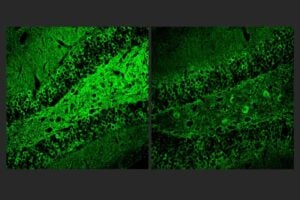
Picower Institute researchers discovered that a molecule called A11 combats inflammation in the brain amid Alzheimer's disease. For example, A11-treated Alzheimer's model mice (right) showed much less tau protein (green staining), a hallmark of disease pathology, than untreated controls (left).

Molecule reduces inflammation in Alzheimer’s models

A woman's neck. Pixabay

New genes and natural toxins offer hope for cancer patients unresponsive to chemotherapy

Lead author Dr Charles Cox

Molecule identified that could be key for a new wave of drugs to target obesity and bone diseases

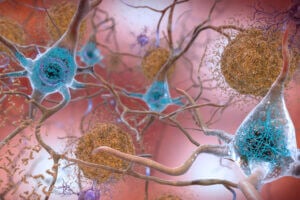
In the Alzheimer’s affected brain, abnormal collections of the tau protein accumulate and form tangles (seen in blue) within neurons, harming synaptic communication between nerve cells. Credits:Image: National Institute on Aging, NIH

How Tau tangles form in the brain

Eradicating deadly tuberculosis with better tests and treatment

xray of a hand on a pc mouse

First-in-Human Trial for Oral Drug to Remove Radioactive Contaminants

Pills,And,Capsules,Were,Scattered,On,The,Table

The next pandemic: Researchers develop tool to identify existing drugs to use in a future outbreak

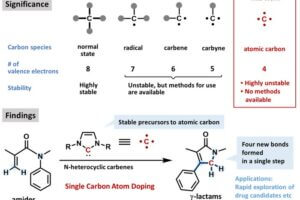
Single Carbon Atom Doping Reactions

This one-atom chemical reaction could transform drug discovery

Artificial skin produced at the University of Copenhagen

Artificial human skin paves the way to new skin cancer therapy

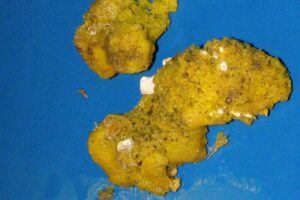
Sea sponges have been found to be a rich source of biochemical compounds with potentially therapeutic properties. Pictured: Lissodendoryx florida, from which lissodendoric acid A was isolated.

Chemists synthesize sea molecule to fight Parkinson’s

Older posts
Newer posts
← Previous Page1 Page2 Page3 Page4 Next →
Substack subscription form sign up

Comments

  • David A on Why You’re Losing Muscle on Weight Loss Drugs, and What a Gut Hormone Might Do About It
  • Marco Messina on More Than a Third of Americans Have Lost Relationships Over Politics
  • Anon on Why Fructose Behaves Less Like a Calorie and More Like a Hormone
  • Mark Mellinger on Living Plastic Can Self-Destruct on Command
  • Marie Feret on The Silent Frequency That Makes Old Buildings Feel Haunted
© 2026 ScienceBlog.com | Follow our RSS / XML feed