Skip to content
ScienceBlog.com
  • Featured Blogs
    • EU Horizon Blog
    • ESA Tracker
    • Experimental Frontiers
    • Josh Mitteldorf’s Aging Matters
    • Dr. Lu Zhang’s Gondwanaland
    • NeuroEdge
    • NIAAA
    • SciChi
    • The Poetry of Science
    • Wild Science
  • Topics
    • Brain & Behavior
    • Earth, Energy & Environment
    • Health
    • Life & Non-humans
    • Physics & Mathematics
    • Social Sciences
    • Space
    • Technology
  • Our Substack
  • Follow Us!
    • Bluesky
    • Threads
    • FaceBook
    • Google News
    • Twitter/X
  • Contribute/Contact

Machine Learning

Application of machine learning techniques to large astronomy data sets can discover thousands of cosmic objects of various classes.

Machine learning techniques identify thousands of new cosmic objects

MIT researchers found that massive neural network models that are similar to large language models are capable of containing smaller linear models inside their hidden layers, which the large models could train to complete a new task using simple learning algorithms. Credits:Image: Jose-Luis Olivares, MIT

How language models like ChatGPT learn new tasks from just a few examples

Orange- and purple-capped test tubes.

Using Machine Learning to Predict Rare Diseases

EPFL researchers have combined low-power chip design, machine learning algorithms, and soft implantable electrodes to produce a neural interface that can identify and suppress symptoms of various neurological disorders.

Brain chip can head off Parkinson’s tremor, epileptic seizure

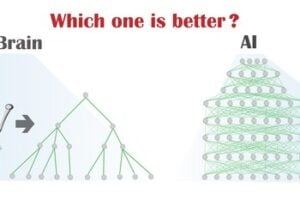
Scheme of a simple neural network based on dendritic tree (left) vs. a complex artificial intelligence deep learning architecture (right)

Can the brain compete with AI over the long haul?

Penn State College of Medicine researchers helped identify eight medications that may be repurposed to help people quit smoking. A team of more than 70 researchers contributed to the analysis of genetic and smoking behavior data from more than 1.3 million people. Credit: Ella Maru Studio for Penn State College of Medicine. All Rights Reserved.

Machine learning identifies drugs that could potentially help smokers quit

RaiBo in a beach run

Robo-dog runs on sand with ease and speed

Blood test container

A blood test for cancer shows promise thanks to machine learning

Old school-looking robot toys

Teaching Machines To Think Before They Speak

Illustration of a rage-filled face

Brain can ramp up rage like a volume dial

Artificial intelligence software gleans insights from health records to shed light on chronic COVID symptoms

Machine Learning Tackles Long COVID

illustration of woman at a desk with Twitter logos floating around

The Potentially Adverse Impact of Twitter 2.0 on Scientific and Research Communication

Earthquake damage on a building

Scientists Predict Rare Disasters With Machine Learning

Molecular simulation results showing how water molecules move and structure around one another in the high density liquid phase.

Using machine learning to better understand how water behaves

Older posts
Newer posts
← Previous Page1 … Page7 Page8 Page9 Next →
Substack subscription form sign up

Comments

  • Sue Ann Hayes on Hidden Nuclear Protein Fuels Pancreatic Cancer’s Deadly Aggression
  • Curtis Webber on The GPS-Killer? This Quantum Device ‘Feels’ Motion Like a Brain—Down to the Atomic Level
  • Ran on How the Age You First Had Sex Could Shape How You Age Decades Later
  • Sparty on How the Age You First Had Sex Could Shape How You Age Decades Later
  • Josh Mitteldorf on A Single TV Segment Sent Leucovorin Prescriptions for Autistic Children Soaring 2,000 Percent
© 2026 ScienceBlog.com | Follow our RSS / XML feed