Skip to content
ScienceBlog.com
  • Featured Blogs
    • EU Horizon Blog
    • ESA Tracker
    • Experimental Frontiers
    • Josh Mitteldorf’s Aging Matters
    • Dr. Lu Zhang’s Gondwanaland
    • NeuroEdge
    • NIAAA
    • SciChi
    • The Poetry of Science
    • Wild Science
  • Topics
    • Brain & Behavior
    • Earth, Energy & Environment
    • Health
    • Life & Non-humans
    • Physics & Mathematics
    • Social Sciences
    • Space
    • Technology
  • Our Substack
  • Follow Us!
    • Bluesky
    • Threads
    • FaceBook
    • Google News
    • Twitter/X
  • Contribute/Contact

personalized medicine

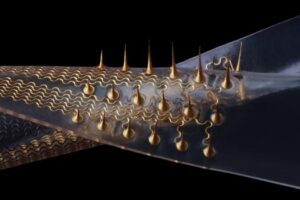
Stretchable microneedle electrode arrays.

Sea Slugs Inspire Flexible Microneedle Electrodes for Seamless Health Monitoring

red blood cells

Scientists Find 100+ New Genetic Regions Linked to Blood Pressure

A generated image showing a human gut with various types of bacteria, accompanied by a personalized treatment plan featuring antibiotics, probiotics, and prebiotics

Personalized Gut Microbiota Therapy Shows Promise for Treating Post-Infection Irritable Bowel Syndrome

DNA strands made of burning embers and smoke

How DNA Influences How Much You’ll Smoke

Doctors Will Face Many New Challenges in The Near Future

Tackling heart disease and stroke risks with customised treatment

A woman's neck. Pixabay

New genes and natural toxins offer hope for cancer patients unresponsive to chemotherapy

The study uncovered individual variations in fat burning during exercise. Graphs of two people's fat burning curves highlight differences in fat burning rates at varying exercise intensities and demonstrate that fatMAX falls outside the predicted “fat burning zone.” These variations underscore the need for personalized exercise plans.

Fat burning during exercise varies widely between individuals

Skinny woman and evidence of weight loss via her big jeans. Pixaby

Storing fat at the waist may NOT up diabetes risk, surprise findings indicate

Covid virus. Pixabay

Machine learning IDs best drug combos to prevent COVID recurrence

Petri dish

Personal organoids from cancer cells help ID effective treatments

Custom, 3D-printed heart replicas are patient-specific and could help clinicians zero in on the best implant for an individual.

3D-printed hearts look and pump just like the real thing

Common illnesses including high cholesterol prompt hunt for personalised drugs

Defeating depression through early risk detection and targeted medication

Newer posts
← Previous Page1 Page2
Substack subscription form sign up

Comments

  • Karoly Mirnics on Common Prescription Drugs May Disrupt Cholesterol Pathways in the Womb and Raise Autism Risk
  • Aizen on Laziness helped lead to extinction of Homo erectus
  • Norwood johnson on Electrons in New Crystals Behave as If They Live in Four Dimensions
  • ScienceBlog.com on Hidden Geometry Could Finally Fix Quantum Computers
  • Theo Prinse on America Is Going Back to the Moon. This Time, It Plans to Stay
© 2026 ScienceBlog.com | Follow our RSS / XML feed